Air system · Carrier Aviation Demonstrator
X-47B
Autonomous Carrier Operations / Aerial Refueling Research
Also known as: Northrop Grumman X-47B / UCAS-D / Navy UCAS demonstrator
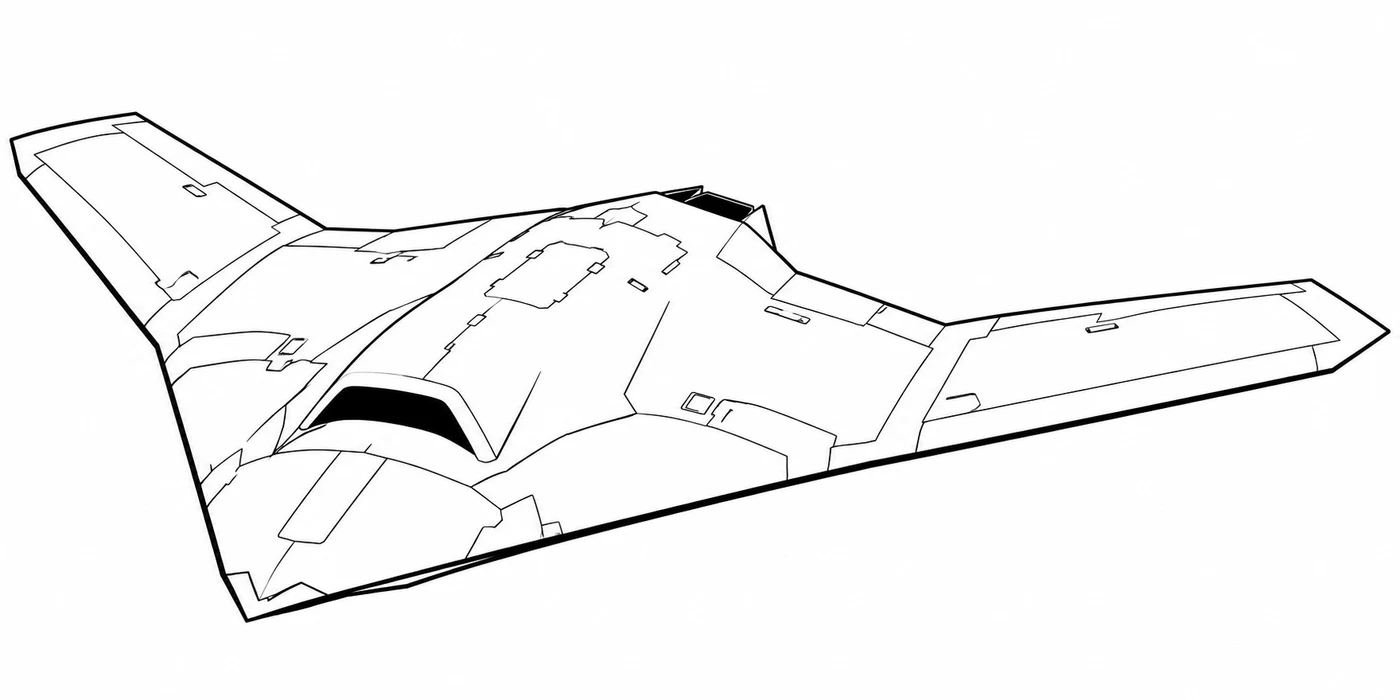
X-47B overview
Last reviewed:
X-47B is Northrop Grumman's carrier-capable unmanned combat-air-system demonstrator, built to answer a difficult engineering question: could a large, tailless uncrewed aircraft operate safely in the tightly controlled environment of an aircraft carrier? Two demonstrators were built under the Navy's UCAS-D effort. Their role was to test technologies and procedures, not to establish an operational combat squadron. X-47B should also be distinguished from the smaller X-47A Pegasus and from Boeing's MQ-25 Stingray, which pursues a different naval mission and procurement program.
Northrop's historical fact sheet lists a 62.1 ft wingspan, approximately 18.9 m, and a 38.2 ft length, approximately 11.6 m. It gives a maximum gross takeoff weight of 44,000 lb, roughly 19,960 kg, high-subsonic speed, altitude above 40,000 ft and range exceeding 2,100 nautical miles. These are manufacturer-published design and performance figures, not an independently measured maximum for every test configuration. Folding outer wings reduced the space needed on a carrier, where parking and aircraft movement are as important as airborne performance.
The single Pratt & Whitney F100-PW-220U engine powered a low-observable-relevant flying-wing airframe with internal space provision for weapons. The manufacturer's 4,500 lb internal-bay design-load figure is not evidence that the demonstrators conducted operational bombing missions or qualified a production weapons inventory. No pilot sat aboard, but people still supervised the aircraft and controlled how it interacted with the airfield and ship. Autonomous flight and landing functions should not be equated with independent authority to select and attack targets.
The first X-47B flight occurred at Edwards Air Force Base on February 4, 2011. Subsequent shore testing and deck handling led to the first carrier catapult launch in May 2013 and the first arrested carrier landing on July 10, 2013 aboard USS George H.W. Bush. NAVAIR reports that the aircraft made a 35-minute transit from Patuxent River and caught the ship's third arresting wire. These achievements demonstrated precision navigation, control and integration with moving-deck procedures, rather than merely proving that a drone could land on an ordinary runway.
On April 22, 2015, X-47B conducted autonomous probe-and-drogue aerial refueling with an Omega K-707 tanker off the U.S. East Coast. The Navy reports transfer of more than 4,000 lb of fuel, completing the program's final demonstration objective. Importantly, X-47B was the aircraft receiving fuel in this event. That is different from the aerial-tanker mission associated with MQ-25 Stingray, and a successful refueling demonstration does not by itself establish unlimited range, continuous operational service or certification of every future unmanned refueling combination.
The engineering legacy includes digitized carrier operations, unmanned deck handling and autonomous precision approach and recovery. Such work provides useful context for later carrier aviation without making X-47B a production predecessor in a simple one-for-one procurement chain. BAE Taranis and nEUROn are relevant reading for low-observable demonstrator development, while XQ-58 Valkyrie explores another set of uncrewed combat-aircraft questions. Comparisons need to account for naval structures, folding wings, mission systems and test objectives rather than ranking aircraft solely by external shape.
Through the November 21, 2026 editorial review, the linked Navy and historical manufacturer material establishes the carrier and refueling milestones but not an operational X-47B combat fleet, verified new production order or 2026 strike deployment. Some older project pages retain projected service-entry dates that did not describe this demonstrator's actual status. This profile deliberately does not repeat such forecasts as accomplished induction. X-47B's significance is its documented demonstration record and the lessons it supplied for future naval aviation, not a claim that it is currently flying routine carrier combat missions.
Armament
Internal-bay provision; demonstrator not an operational strike aircraft
Development and operational timeline
- Navy demonstration contract awarded; two X-47B air vehicles built for carrier-integration work
- First X-47B flight at Edwards Air Force Base
- Deck-operation trials aboard USS Harry S. Truman precede the flying carrier demonstrations
- First carrier catapult launch aboard USS George H.W. Bush
- First arrested carrier landing by the X-47B demonstrator aboard USS George H.W. Bush
- Autonomous probe-and-drogue refueling receives over 4,000 lb of fuel from an Omega K-707 tanker
- Editorial status review: UCAS-D demonstration achievements documented; no operational combat fleet or 2026 production restart verified