Air system · UCAV
XQ-58 Valkyrie
Loyal Wingman / Strike
Also known as: Valkyrie / XQ-58A / LCAAT (Low Cost Attritable Aircraft Technology)
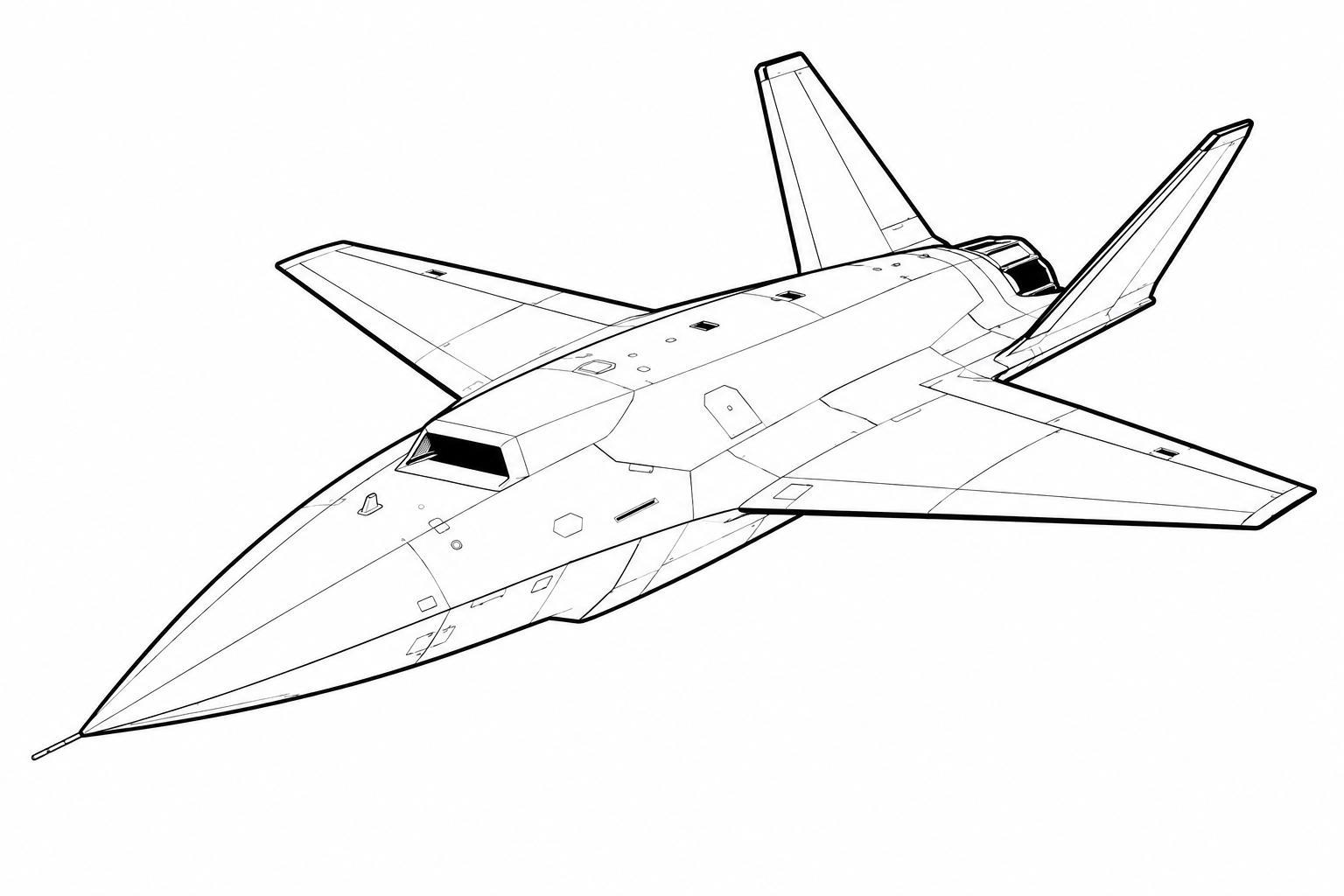
XQ-58 Valkyrie overview
The XQ-58 Valkyrie is a low-cost, attritable unmanned combat aerial vehicle developed by Kratos Defense under the Air Force Research Laboratory's Low Cost Attritable Aircraft Technology (LCAAT) program. First flown in March 2019 at Yuma Proving Ground, the Valkyrie was designed from the outset for a specific operational concept: it should be cheap enough to risk in contested airspace, capable enough to carry and employ weapons, and stealthy enough that adversaries cannot cheaply ignore it. Its faceted stealth design reduces radar cross-section, while a rocket-assisted takeoff system allows it to operate without runways — a critical advantage for distributed basing concepts that place aircraft at dispersed forward locations to complicate adversary targeting.
The Valkyrie's internal weapons bay can carry two GBU-39 Small Diameter Bombs or other precision munitions, and its air-induction inlet is designed to accommodate a variety of turbofan engines for different range and performance profiles. In 2021, the Valkyrie made aviation history when it successfully deployed an ALTIUS-600 mini-drone from its internal bay during flight, demonstrating the concept of an attritable platform launching even smaller attritable sub-munitions. The aircraft has been test-flown in formation alongside F-22 Raptors as part of the Skyborg autonomous flight control program, validating the loyal wingman concept where a manned aircraft commander can direct multiple wingman UCAVs through a tactical interface without distracting from their primary mission.
As of 2025–2026, the XQ-58 has matured beyond a pure demonstrator into a platform actively evaluated within the broader Collaborative Combat Aircraft (CCA) ecosystem, competing and complementing Increment 1 CCA aircraft from Anduril and General Atomics. The Valkyrie's approximately $2–3 million unit cost represents a transformative economics shift: a single F-35C costs over $100 million, meaning the same budget buys 30–50 attritable Valkyries that can absorb adversary missiles, saturate air defenses, and prosecute targets while manned aircraft remain at standoff. Australia has also tested the XQ-58 as part of its own loyal wingman research under Project Air 6000, and the Royal Australian Air Force has evaluated its compatibility with F/A-18F Super Hornets. Kratos has proposed a production-ready variant capable of fielding within 18 months of contract award, positioning the Valkyrie as the near-term bridge to a full CCA capability.
Armament
Small diameter bombs, AIM-120 AMRAAM (internal bay)
Development and operational timeline
- XQ-58A Valkyrie completes maiden flight at Yuma Proving Ground — first flight of LCAAT demonstrator
- Fourth XQ-58 flight test validates expanded performance envelope and internal payload bay
- Valkyrie deploys ALTIUS-600 mini-drone from internal bay in flight — aviation first for attritable UAS
- XQ-58 flies in autonomous formation with F-22 Raptor under Skyborg program at Edwards AFB
- AI-controlled XQ-58 completes autonomous tactical decision-making flight — selects and prosecutes simulated targets
- USAF formally evaluates Valkyrie within Collaborative Combat Aircraft Increment 1 program
- Kratos proposes production-ready Valkyrie variant; unit cost confirmed at under $3M
- Australia completes XQ-58 evaluation under Project Air 6000; RAAF integration with Super Hornet validated