Air system · Reusable Aerial Target
DRDO Lakshya
Air-Defense Training / Weapon Evaluation
Also known as: Lakshya PTA / Lakshya-1 / Pilotless Target Aircraft / Lakshya-II family
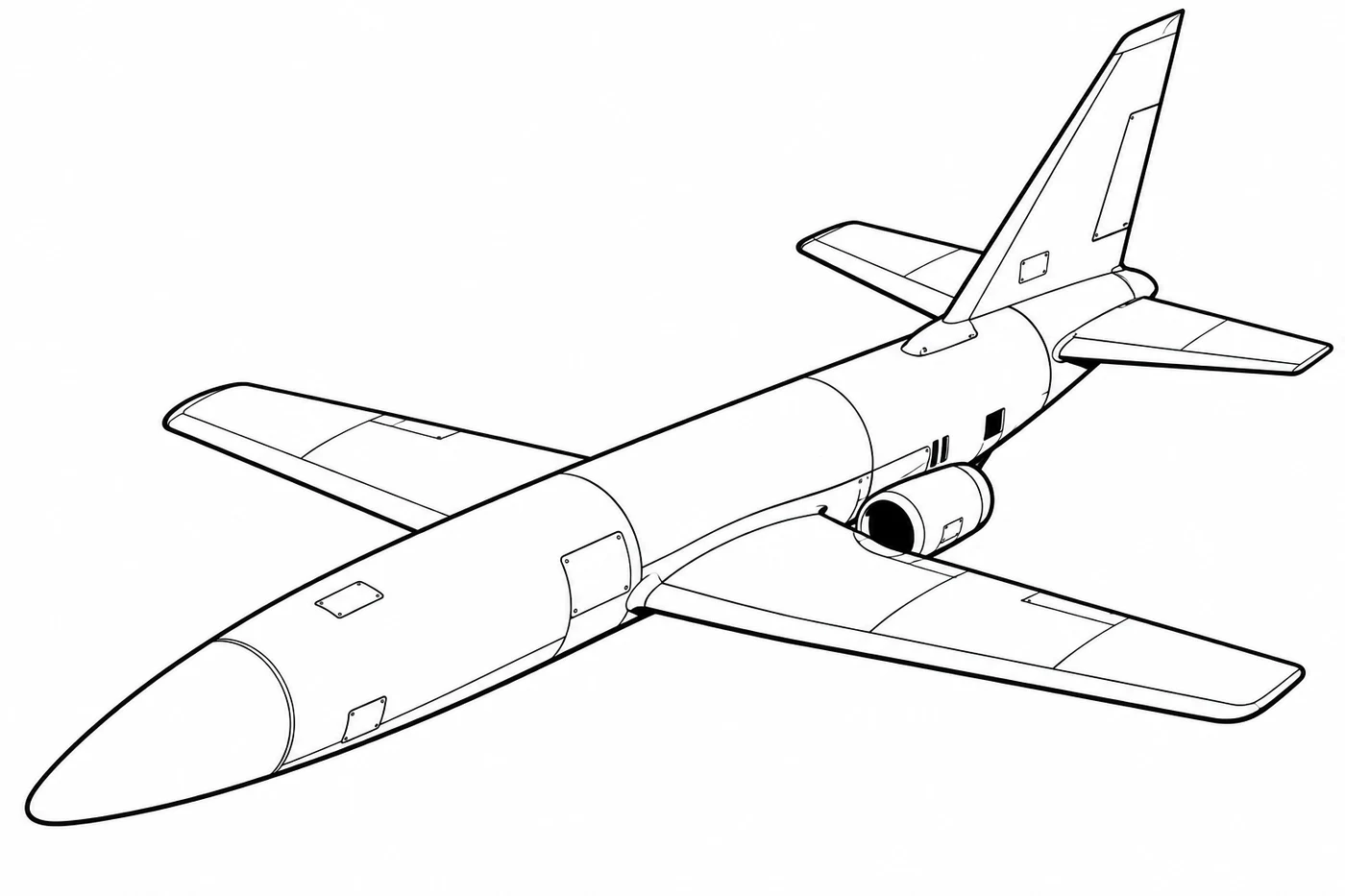
DRDO Lakshya overview
Last reviewed:
DRDO Lakshya is an Indian reusable, remotely controlled target aircraft developed by the Aeronautical Development Establishment, with Hindustan Aeronautics Limited associated with production and its PTAE-7 turbojet. Its main purpose is to help train air-defense and combat-aircraft crews and evaluate weapon engagements. This makes it fundamentally different from the armed surveillance mission of TAI ANKA-S or MQ-9 Reaper: a target aircraft helps create a realistic training situation rather than normally conducting reconnaissance or delivering a battlefield strike.
DRDO describes Lakshya as a high-subsonic aerial target that can launch from land or a ship. The system can tow two sub-targets on cables approximately 1.5 km long, using radar, infrared or visual signature augmentation and miss-distance scoring. The tow bodies allow the training system to present useful signatures while separating the aim point from the reusable carrier aircraft. A scoring system measures the weapon's proximity to the target; it is not a measure of Lakshya's ability to strike an enemy or carry an operational explosive payload.
Public technical references commonly quote a maximum takeoff weight around 705 kg, a Mach 0.7 speed class, approximately 150 km control range and a ceiling around 9,000 m without a towed target. These are historical reference figures rather than a guaranteed combined flight condition. Towing, payload, altitude and maneuvering can change the achievable envelope. Some public summaries contain inconsistent or apparently transposed length and wingspan figures, so this profile does not turn those conflicting dimensions into precise authenticated measurements or infer them from the supplied illustration.
The aircraft uses an assisted launch rather than requiring an ordinary runway takeoff, and a two-stage parachute supports recovery for reuse. Recoverability matters economically because training requires repeat sorties, inspections and replacement of consumable components. It does not mean an aircraft hit during live firing survives, nor that a particular airframe can be flown indefinitely without refurbishment. Land and sea recovery conditions also differ, so generic claims of reuse should not obscure the crews, launch equipment, engine support and recovery systems needed for each exercise.
The historical record places early Lakshya flight development in the 1980s and induction into Indian armed service around 2000. The program then evolved rather than remaining a single unchanging design. Lakshya-II is an advanced version intended to simulate more demanding threats, including low-altitude profiles. January 2012 reporting, quoting the Indian defense ministry, describes a preprogrammed flight exceeding 30 minutes with a descent from 800 m to approximately 12 m and subsequent climb-out. That is a documented test profile, not a universal operating altitude or an accomplishment newly performed in 2026.
Target aircraft are important to the wider drone story because surveillance aircraft, loitering munitions and counter-drone weapons all depend on realistic testing. Coyote and Anvil illustrate counter-UAS roles elsewhere in this catalog, but their inclusion as reading links does not establish that either has intercepted Lakshya. Nor should technologies demonstrated on another Indian target, such as a separate high-speed or jet-powered program, be assigned to this aircraft. Program names, propulsion type and the exact version tested remain necessary qualifications when interpreting reports.
The November 21, 2026 editorial review finds an established target-aircraft family and publicly documented advanced-version testing, but not a responsibly verified new 2026 production quantity, fleet count or baseline performance upgrade in the linked material. The final timeline entry is therefore a status review rather than an invented launch or acceptance event. Lakshya's enduring relevance is its contribution to training and weapon evaluation, where repeatable threat simulation can matter more than the maximum range and payload figures used to compare operational strike drones.
Armament
Training target system; no standard operational strike armament
Development and operational timeline
- Historical references place initial Lakshya flight development in this period; not the date of operational induction
- Lakshya induction period reported for India's armed services, following earlier development and trials
- Lakshya-II test reported with a preprogrammed low-altitude profile and recovery; advanced-version performance kept separate from baseline
- Lakshya-1 flight test reported to assess an improved digitally controlled engine and endurance-related work
- DRDO's Lakshya-2 product record describes the advanced target role and scoring system; page date is not a new first flight
- Editorial status review: target-training mission and variant distinctions retained; no new 2026 fleet quantity or baseline upgrade independently established