Air system · Counter-UAS / Expendable UAS
Coyote
Counter-UAS / Anti-Drone / Electronic Warfare / Decoy
Also known as: Raytheon Coyote / Coyote Block 2 / Coyote Block 3NK
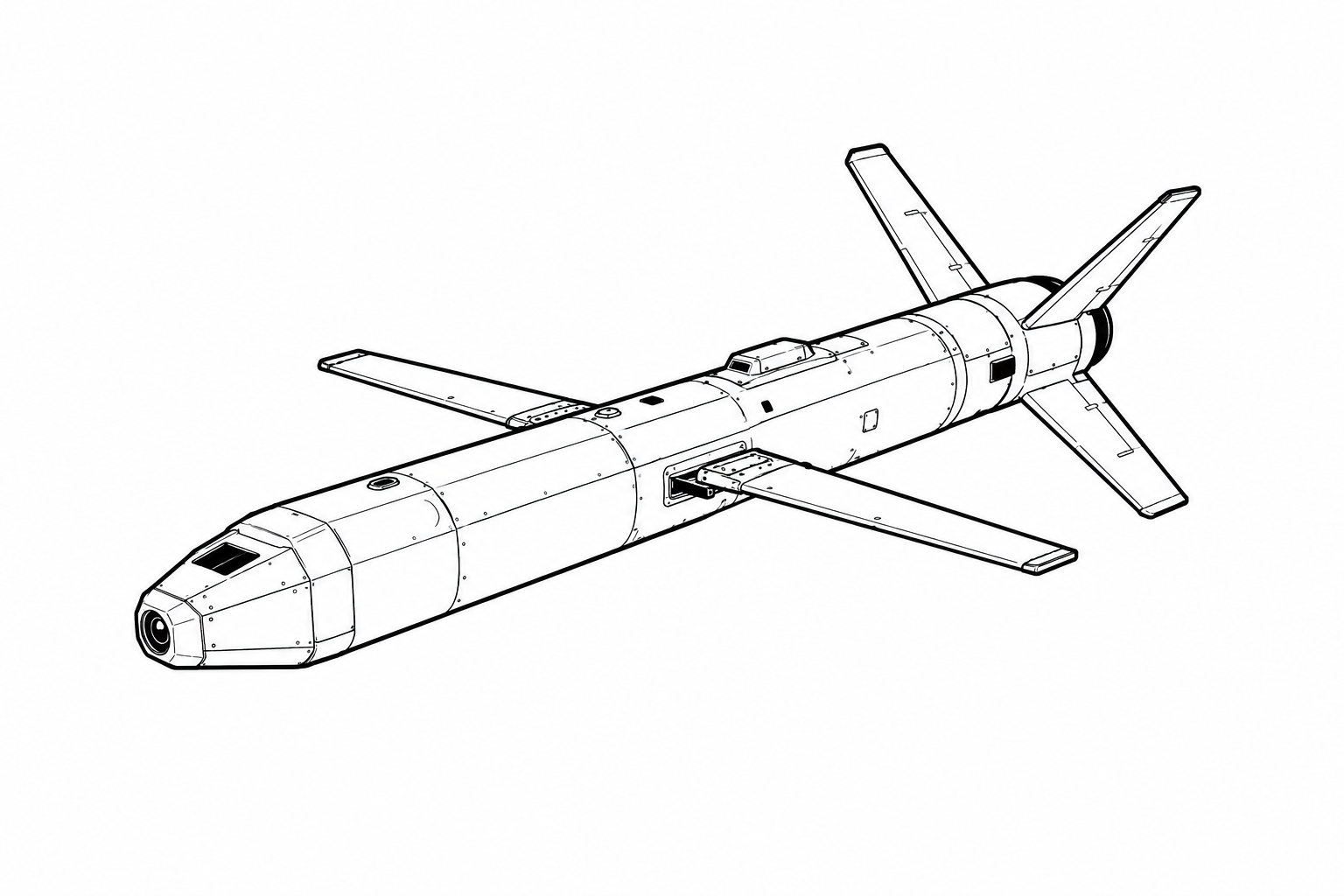
Coyote overview
Last reviewed:
Coyote is Raytheon's family of small unmanned aircraft and counter-drone interceptors, not a single aircraft with one universal specification. The original propeller-driven Coyote was developed as a tube-launched expendable UAS for sensing and other missions. Later kinetic and non-kinetic versions became part of layered counter-unmanned-aircraft defenses. That evolution explains why photographs, endurance figures, and descriptions of Coyote can look inconsistent: a loitering propeller-driven vehicle and a high-speed interceptor are different configurations.
In the U.S. Army's Low, slow, small-unmanned aircraft Integrated Defeat System, usually abbreviated LIDS, Coyote is an effector rather than the complete defensive system. Radars and command-and-control equipment detect, classify, and track a threat before an interceptor is assigned. Raytheon's Ku-band Radio Frequency System is associated with this architecture. A successful interception therefore reflects the performance of a sensor-and-effector chain, not just the flight characteristics of a small drone.
The kinetic Block 2 line uses an explosive intercept mechanism and a substantially different propulsion arrangement from the original reconnaissance vehicle. RTX markets it for defeating a range of small-drone threats and emphasizes rapid response and extended engagement coverage. Older figures sometimes quoted for Coyote, including roughly 90 minutes of endurance, belong to earlier propeller-driven configurations. Public sources do not establish one transferable speed, range, or endurance figure for every current counter-UAS variant.
Block 3 Non-Kinetic, or Block 3NK, takes a different approach. Raytheon describes a loitering vehicle carrying a non-kinetic payload intended to defeat multiple drones while reducing collateral damage. On February 11, 2026, the company announced a U.S. Army demonstration covering launch, flight, swarm engagement, and recovery. It says the vehicle can be recalled and redeployed, making recoverability part of the cost argument. The precise payload mechanism and a full independently audited test data set were not published in that release.
Coyote's broader value is the ability to offer commanders different effects against different threats. An expendable kinetic interceptor may be appropriate for one engagement, while a recoverable non-kinetic vehicle may offer advantages against a swarm or near sensitive infrastructure. Neither approach makes the system a universal solution: detection quality, target behavior, the surrounding environment, and the number of available effectors still matter. Manufacturer descriptions of defeating swarms should not be read as proof of unlimited simultaneous engagements.
As of the October 2026 review, Coyote is an actively developed counter-UAS family with a documented new Block 3NK demonstration, rather than a legacy reconnaissance drone frozen at its original specifications. Readers comparing it with Roadrunner or other interceptors should compare equivalent variants and complete system roles. RTX's demonstration announcement is strong evidence of tested functions but does not, by itself, disclose fleet-wide fielding quantities, operational availability, or a universal engagement envelope.
Armament
Kinetic intercept payload (Block 2) or non-kinetic counter-UAS payload (Block 3NK)
Development and operational timeline
- Raytheon acquires Sensintel, bringing the original Coyote small-UAS line into its portfolio
- Raytheon publicly presents Coyote in the U.S. Army counter-UAS mission
- Public reporting describes the jet-powered kinetic Block 2 configuration, distinct from the original propeller-driven vehicle
- Raytheon reports a non-kinetic Coyote demonstration against a drone swarm
- Raytheon announces an Army Block 3NK test covering swarm engagement and recovery for potential reuse
- Status review: distinguish original small-UAS specifications, kinetic interceptors, and the recoverable non-kinetic variant