Air system · Small Tactical UAS
Aerosonde
Persistent ISR / Maritime Patrol / Signals Intelligence / Weather Reconnaissance
Also known as: Aerosonde UAS / Textron Aerosonde / long-endurance small drone
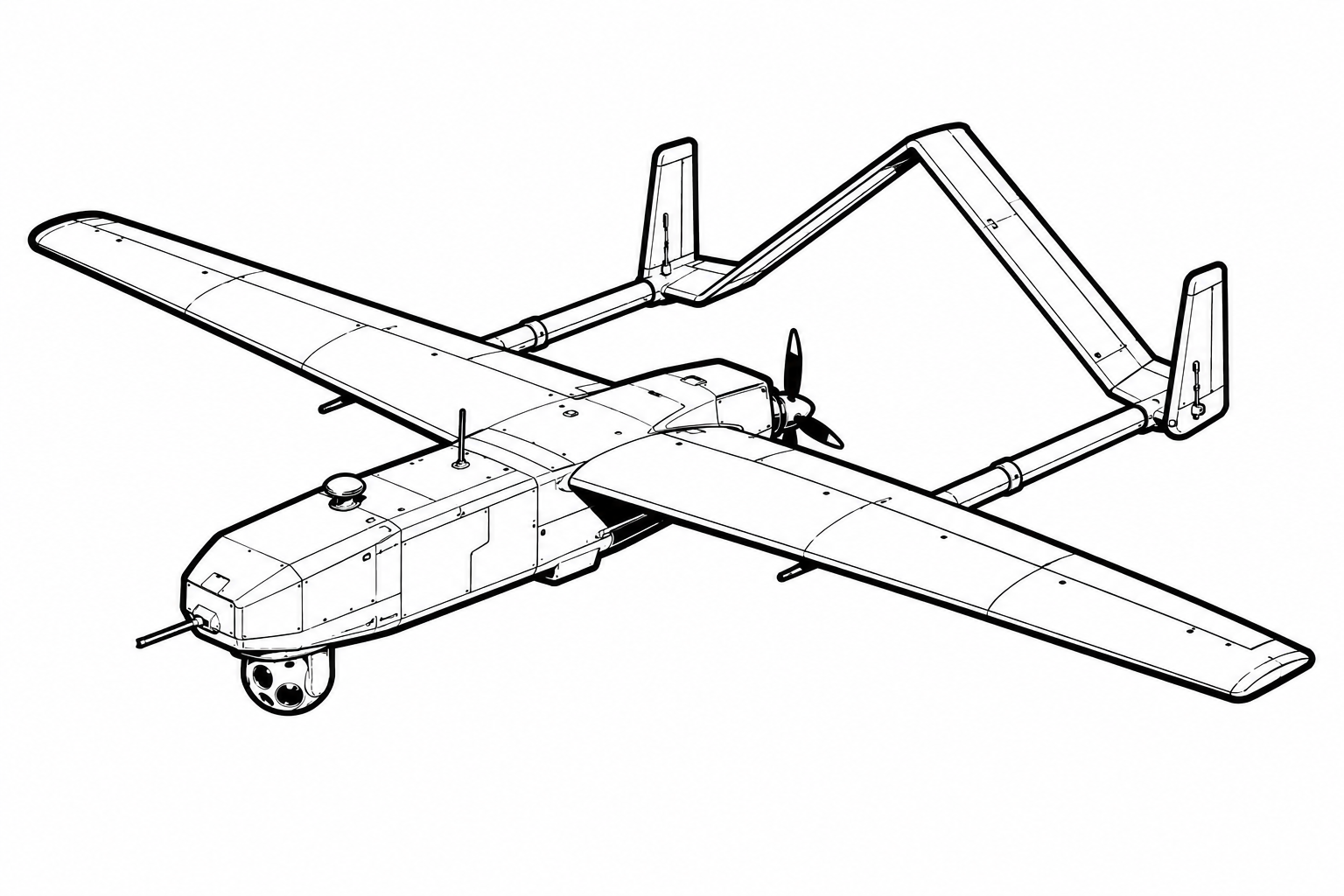
Aerosonde overview
The Aerosonde has one of the longest operational pedigrees of any small unmanned aircraft currently in service, having first achieved fame in 1998 as the first unmanned aircraft to cross the Atlantic Ocean autonomously. That Atlantic crossing — a stunt with no military purpose but enormous public relations impact — demonstrated the Aerosonde's fundamental qualities: long endurance, reliable navigation without continuous operator supervision, and the ability to operate in adverse weather conditions that would ground lesser platforms. These qualities, recognized by military customers from that early demonstration, have kept the Aerosonde in continuous operational service for over two decades across multiple military conflicts.
Textron Systems acquired the Aerosonde program and has continuously evolved it through incremental improvements in engine efficiency, sensor integration, and communications systems while preserving the core attributes that made the platform valuable. Its gasoline-fueled piston engine is a key differentiator from the electric platforms that have proliferated in the small UAS market: gasoline provides energy density that lithium batteries cannot match at this platform size, enabling the 24-hour endurance that makes persistent surveillance practical for ground commanders who need coverage through an entire day-night cycle without interruption for battery changes or charging. The Aerosonde can refuel from any source of automotive gasoline, simplifying logistics in remote deployed locations.
Allied military use of the Aerosonde expanded through 2025-2026, with Australian, British, and Canadian forces continuing to field the platform for ISR missions in the Indo-Pacific, Middle East, and Arctic regions. The U.S. Army and Marine Corps maintained Aerosonde inventories as a complement to newer VTOL platforms, valuing its established logistics chain, proven reliability, and the deep operator familiarity that comes from decades of widespread use. For many allied nations' militaries, the Aerosonde represented a lower-risk procurement compared to newer platforms that lacked the operational track record that program managers and commanders find reassuring when selecting systems for critical missions.
Armament
None (ISR); EO/IR, SIGINT, SAR/GMTI radar, or maritime sensor payloads
Development and operational timeline
- Aerosonde Mark 1 completes first unmanned transatlantic flight; 26-hour autonomous crossing demonstrates core capability
- Aerosonde deployed by Australia in Timor-Leste; first operational military use
- Textron Systems acquires Aerosonde program; military-focused development accelerated
- U.S. Marine Corps deploys Aerosonde to Iraq; first combat use by U.S. forces
- Aerosonde Mark 4.7 introduces EO/IR turret and enhanced comms; ISR capability significantly improved
- Hurricane hunter variant; NOAA uses Aerosonde to penetrate and measure active hurricanes
- Arctic deployment; Aerosonde conducts cold-weather ISR supporting Canadian Arctic sovereignty patrols
- Mark 5 variant introduced; improved engine and digital datalink extend operational effectiveness
- Indo-Pacific deployments expanded; Australian and U.S. Aerosondes conduct maritime surveillance from Pacific bases
- SIGINT payload integration; Aerosonde with updated signals intelligence sensor deployed to European command
- Continued fielding news; Aerosonde remains in service with five allied militaries; life extension program announced