Air system · Small Tactical UAS
Teal 2
Short-Range Reconnaissance / Force Protection / Squad ISR
Also known as: Teal 2 drone / Red Cat Teal / SRR drone Army
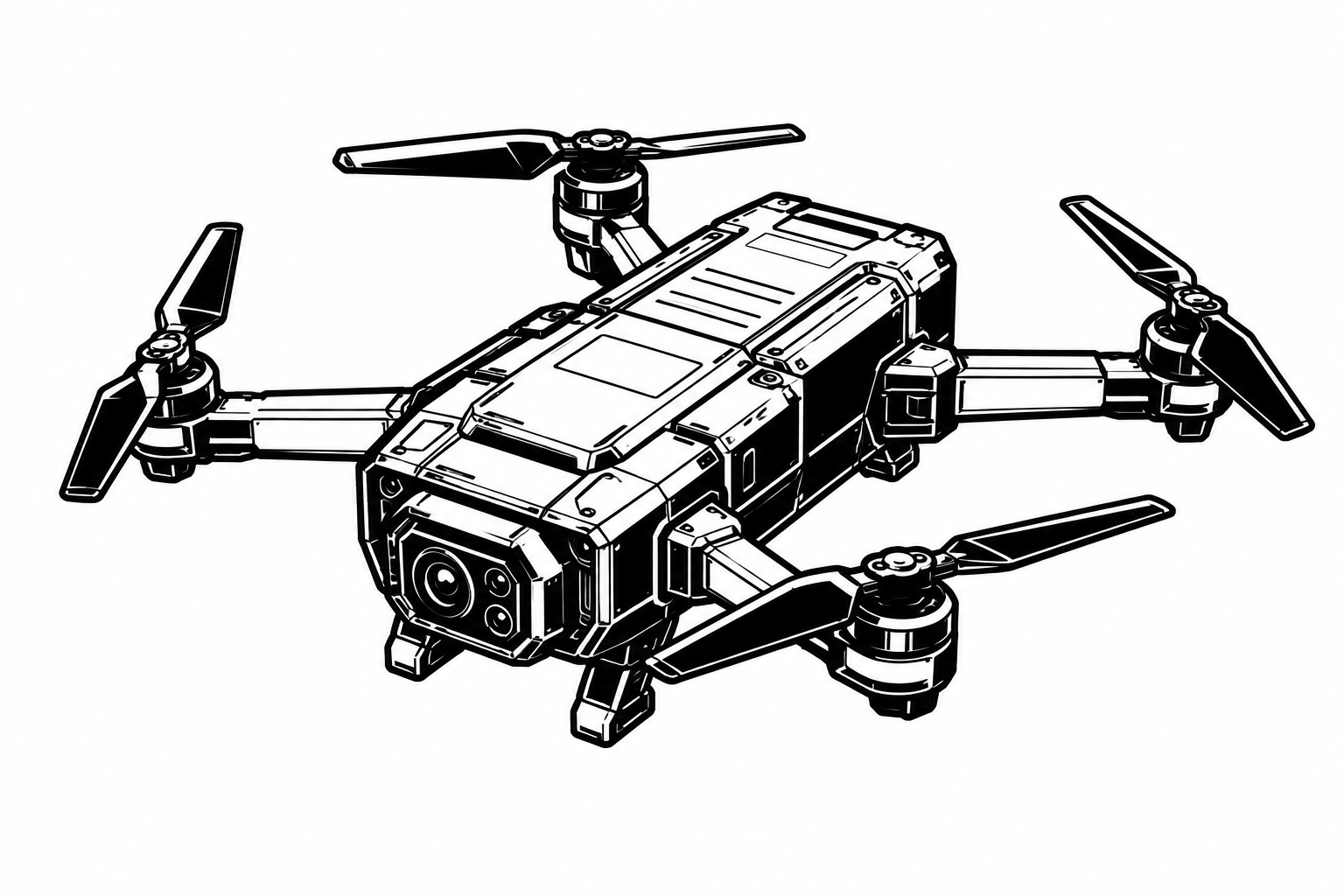
Teal 2 overview
The Teal 2 is Red Cat Holdings' small tactical quadcopter developed specifically for the U.S. Army's Short Range Reconnaissance (SRR) program — a procurement initiative that emerged directly from Congressional and DoD concerns about the security implications of U.S. military units relying on DJI drones for frontline reconnaissance. The SRR program required a small drone that could be carried by infantry squads for immediate local area surveillance, could operate in GPS-denied and electronically contested environments, and was manufactured exclusively from components that do not originate from Chinese suppliers under the relevant NDAA provisions.
Designing a competitive small quadcopter without Chinese components proved challenging because the global small drone component ecosystem — motors, electronic speed controllers, flight controllers, cameras, and batteries — is dominated by Chinese manufacturers whose products are significantly less expensive and often more technically refined than Western alternatives. Red Cat's engineering team tackled this by sourcing components from American, Taiwanese, and European suppliers and accepting a higher unit cost as the price of compliance. The resulting Teal 2 platform outperforms commercial DJI alternatives on military-specific requirements — encrypted communications, anti-jamming GPS, combat-grade durability — even if its raw imaging specifications are comparable rather than superior.
The SRR program attracted competitive interest from multiple defense companies, with Red Cat's Teal 2 facing competition from platforms developed by Skydio, Joby, and others. Red Cat received significant SRR-related contract attention through 2025-2026, with evaluation deliveries going to infantry units for operational assessment. The Army's timeline for SRR fielding was compressed by ongoing concern about DJI vulnerability disclosure reports and a recognition that units in potential peer conflicts against adversaries with sophisticated electronic warfare capabilities needed encrypted, anti-jam small drones — not commercial hardware with potentially exploitable firmware.
Armament
None (ISR)
Development and operational timeline
- Red Cat Holdings acquires Teal Drones; begins developing NDAA-compliant tactical UAV for military market
- Teal 2 development begins in response to U.S. Army SRR program solicitation
- Army SRR program formally established; anti-jamming, encrypted comms, and NDAA compliance requirements specified
- Teal 2 prototype delivered to Army for preliminary evaluation; GPS-denied navigation and encrypted link tested
- Teal 2 completes SRR competitive evaluation phase 1; advances to phase 2 alongside two competitors
- Phase 2 evaluation at Fort Bragg; Teal 2 used by infantry platoon in realistic reconnaissance exercise
- Red Cat awarded SRR evaluation contract for additional Teal 2 units
- Teal 2 operational assessment with 82nd Airborne; jump-deployable configuration validated
- Red Cat wins SRR phase contract; Teal 2 named primary platform for Army small drone procurement
- Production contract awarded; Teal 2 manufacturing ramps at Red Cat facility
- First fielding deliveries to Infantry Brigade Combat Teams; Teal 2 replaces legacy small UAS in multiple units