Air system · Combat UAV
Bayraktar Akinci
Heavy Strike / ISR
Also known as: AKINCI / Bayraktar Akıncı / Akinci TİHA
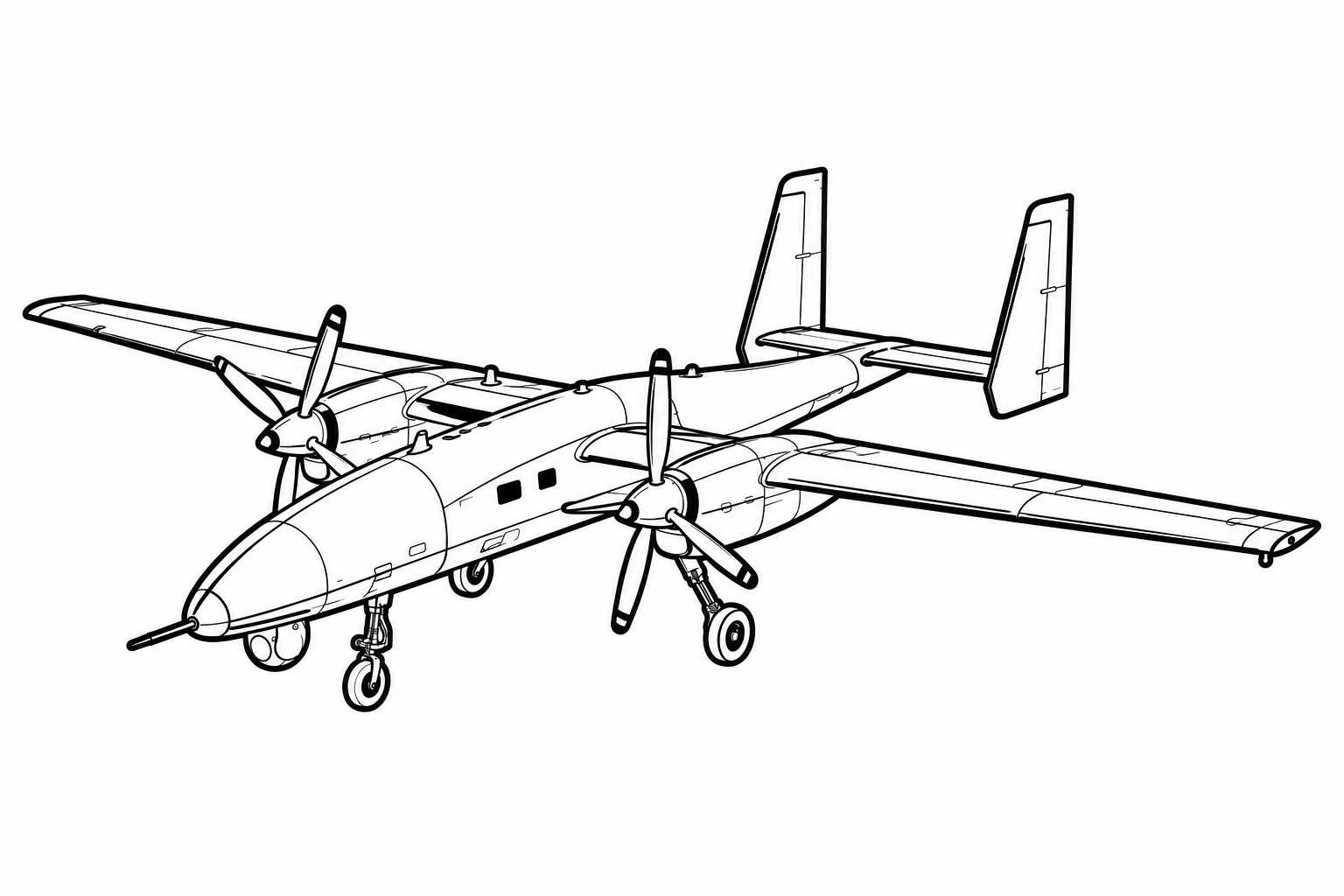
Bayraktar Akinci overview
Last reviewed:
Bayraktar Akinci is Baykar's twin-engine heavy unmanned combat aircraft, positioned above the smaller TB2 in payload and mission complexity. It is intended to combine long-duration surveillance with weapons and sensors that a lighter tactical platform cannot readily carry. The two-engine layout, larger wing, and higher electrical and payload capacity support that role. Its importance is not merely that it is a larger Bayraktar, but that it opens different options for radar, standoff weapons, and higher-altitude missions.
Baykar's current product page lists a 20 m wingspan, payload capacity of 1,500 kg, 20+ hours of endurance, and a 40,000-foot service ceiling. It describes speeds between 150 and 240 knots true airspeed. Published values can differ across engine and configuration updates, so a test record should not replace a baseline service figure without explanation. Maximum payload and maximum endurance are also not necessarily achieved together, especially when larger external weapons increase drag.
The mission system is designed around multiple sensor and communications options, including electro-optical observation, radar, and beyond-line-of-sight links. Baykar emphasizes onboard computing and autonomous flight functions. These features support mission management and sensing, but do not imply unrestricted independent weapons decisions. The aircraft remains part of a larger command, authorization, training, and support system; the usefulness of its sensor data depends on how that system is organized.
Akinci's weapons-integration program has included several Turkish precision-guided munitions and larger standoff weapons. Public flight and firing announcements show progressive integration work, not a guarantee that every export customer has received every announced weapon. A successful test against a controlled target is also different from a documented combat deployment. Readers should compare a customer's actual configuration rather than a list combining every weapon ever mentioned during development.
The aircraft first flew in December 2019 and was introduced to Turkish service in August 2021. Subsequent export agreements extended the program beyond Turkey, including a major Saudi partnership announced in 2023. January 2026 reporting citing Ihlas News Agency described 110 deliveries and a target of 120 by year-end. Those are reported company-program figures and a future target, not an independently audited delivery total or evidence that the December objective had already been reached.
Through October 2026, Akinci remains a developing heavy-UAV product with expanding integration and export activity. Its larger payload and higher performance distinguish it from TB2, but also mean greater procurement, maintenance, and support demands. Current status should be judged from individual delivery, test, and customer announcements, not general marketing language. The timeline retains major flight, service-entry, and export milestones while clearly labeling the 2026 production target as a reported plan.
Armament
SOM-J cruise missile, MAM-L, MAM-T, Mk-82/83 bombs
Development and operational timeline
- The Akinci prototype makes its first flight
- Turkey formally introduces Akinci into service
- Baykar reports further weapons testing and export development
- A major Saudi Akinci procurement and industrial partnership is announced
- Baykar reports first-flight testing of the higher-powered Akinci C configuration
- Reporting citing Ihlas describes 110 deliveries and a 120-aircraft year-end target; the target is not a completed milestone
- Status review: weapons integration, customer deliveries, and production targets remain separately reported measures