Air ·
Turkish Akıncı Drones Target Chinese CH-95s in Sudan
Sudan's military has effectively utilized Turkish-made Bayraktar Akıncı drones to intercept Chinese CH-95 drones operated by paramilitary forces, showcasing advanced drone warfare capabilities.
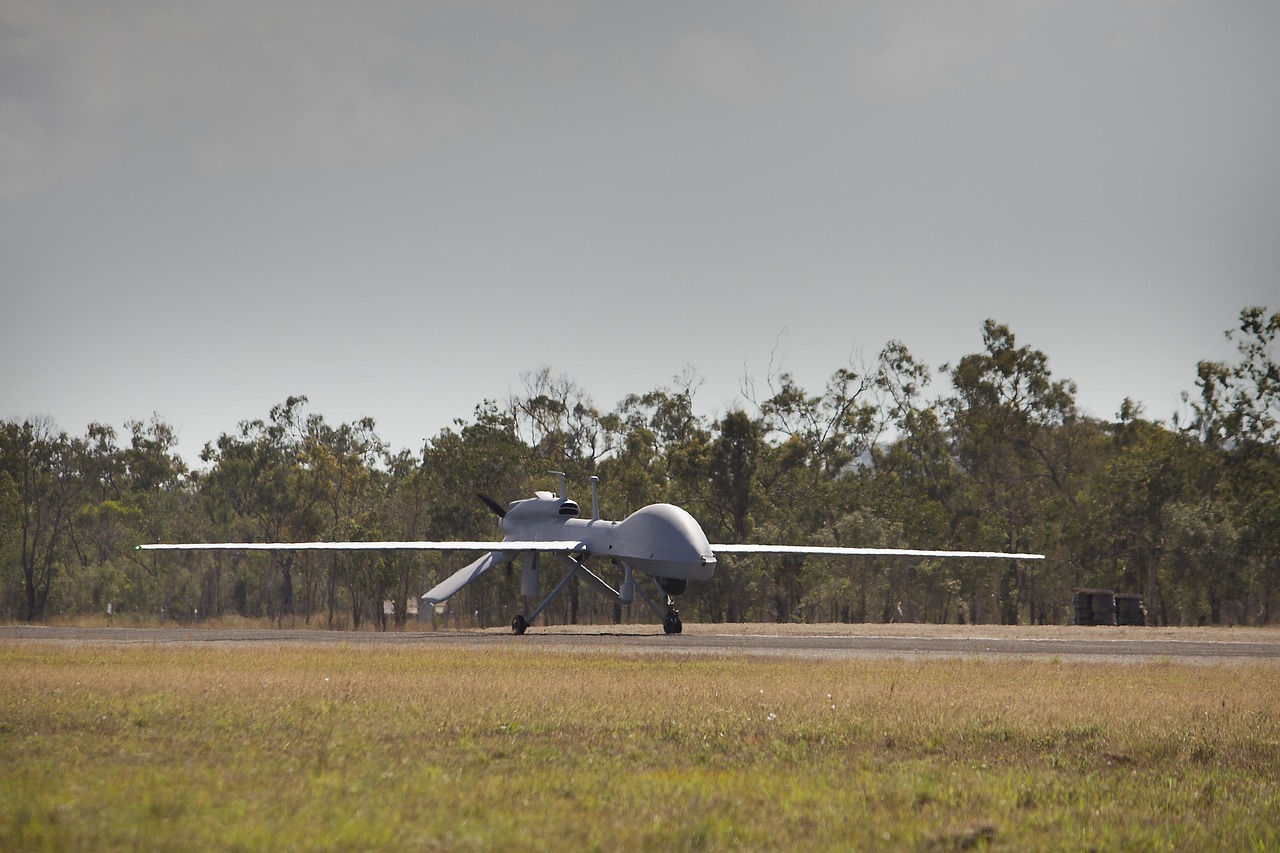
The ongoing conflict in Sudan has seen an intense aerial engagement as the Sudanese army employs Turkish-manufactured Bayraktar Akıncı drones to combat the Chinese-made CH-95 drones utilized by the paramilitary Rapid Support Forces (RSF). Since late June, reports indicate that the Sudanese forces have successfully shot down at least six CH-95 units, highlighting the Akıncı's effectiveness in high-altitude, long-endurance combat scenarios.
Footage released by the Sudanese military illustrates the Akıncı drone's capabilities, not only in midair interception but also in ground targeting. This operational success underscores the growing role of unmanned combat aerial vehicles (UCAVs) in contemporary conflicts, where they provide significant advantages in situational awareness and strike capabilities. The Bayraktar Akıncı, equipped with various munitions and sensor systems, demonstrates versatility and lethality, essential for modern warfare.
The Akıncı drone is part of a broader trend in which nations are increasingly relying on advanced drone technology to enhance their military capabilities. As countries like Turkey continue to innovate and produce effective UAVs, the implications for global military dynamics are profound. The ability of the Sudanese forces to effectively deploy these drones against foreign-made equipment reflects a shift in tactical approaches in asymmetric warfare.
Moreover, this engagement serves as a case study in the evolving landscape of drone warfare, where nations equipped with advanced UAVs can exert significant influence on the battlefield. The integration of drones like the Akıncı also raises questions about air superiority and the future of traditional air combat, as unmanned systems increasingly replace manned aircraft in various roles. As conflicts continue to evolve, the lessons learned in Sudan may shape future military strategies and procurement decisions globally.