Elbit Hermes 900 vs TAI Anka-S
Hermes 900 and Anka-S overlap in persistent ISR and customer-configurable mission equipment. Their comparison depends on the installed sensor and communications packages rather than assuming that all medium-altitude drones have the same armed or maritime capability.
Open these drones in the interactive compare tool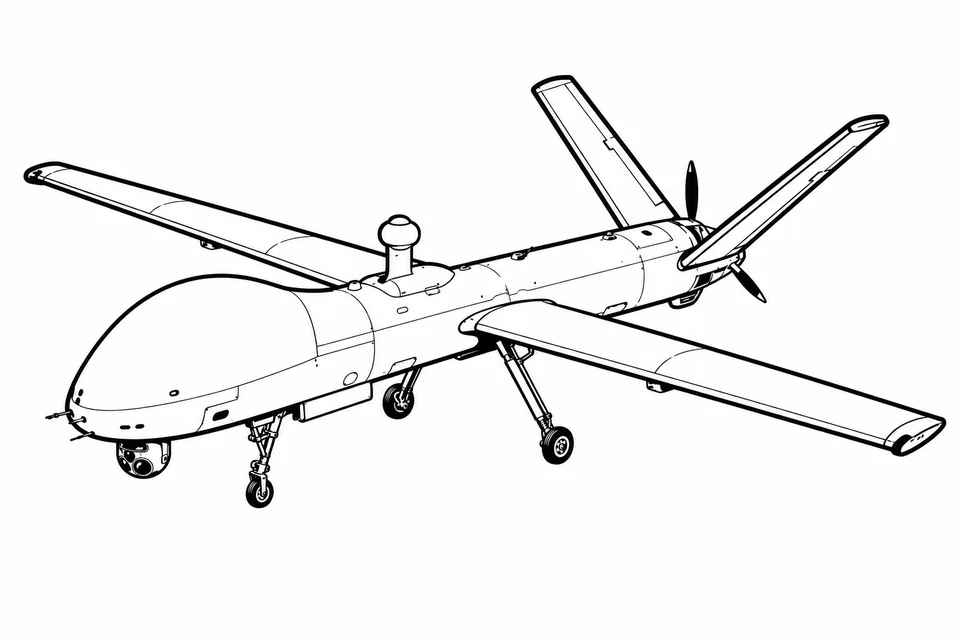
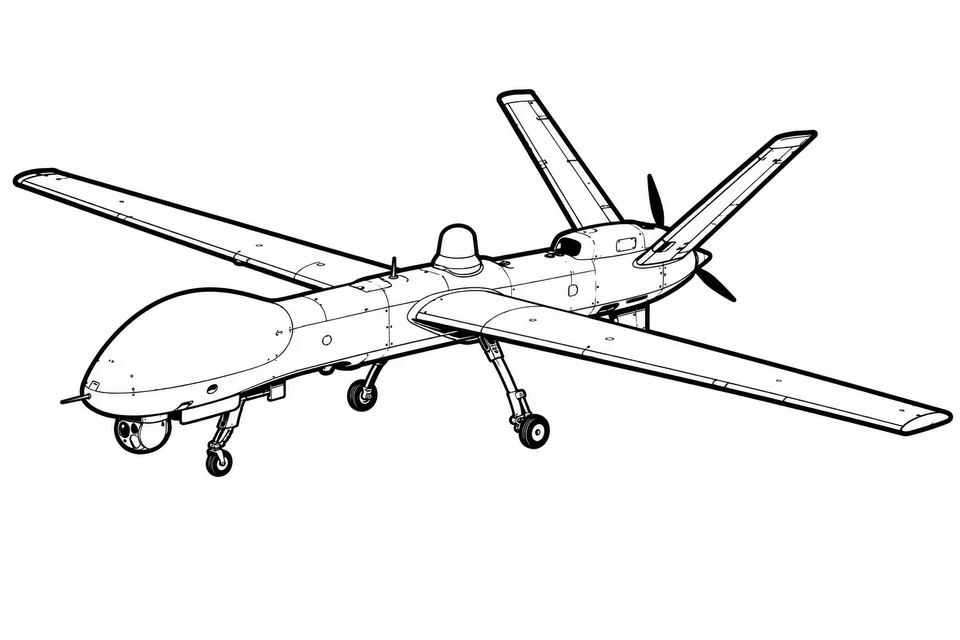
Specifications side by side
| Specification | Elbit Hermes 900 | TAI Anka-S |
|---|---|---|
| Manufacturer | Elbit Systems | TAI |
| Country of origin | Israel | Turkey |
| Mission role | Multi-Role ISR / Strike | ISR / SIGINT / Strike |
| Year introduced | 2012 | 2017 |
| Length | 8.3 m | 8.6 m |
| Wingspan | 15 m | 17.3 m |
| Height | 3.2 m | 3.4 m |
| Maximum speed | 220 km/h | 217 km/h |
| Published range | 2,500 km | 200 km |
| Endurance | 36 hours | 24 hours |
| Service ceiling | 9,144 m | 9,144 m |
| Payload | 350 kg | 200 kg |
| Weight | 1,180 kg | 1,700 kg |
| Armament | Spike missiles, laser-guided munitions | MAM-L, MAM-C, LUMTAS, Mk-81/82 bombs |
Figures below come from the linked DroneStrike profiles and retain their configuration qualifiers. Maximum speed, range, endurance and payload are separate published figures, not a single achievable mission configuration. Range is not necessarily combat radius or datalink reach. Missing information is not zero, and a larger figure does not establish combat effectiveness.
The comparison that matters
Different operators may prioritize electro-optical surveillance, signals collection or other equipment. A published payload allowance cannot establish equal collection quality, and a satellite-link option does not by itself establish identical practical coverage or national airspace approvals.
Understanding Elbit Hermes 900
Hermes 900 is a medium-altitude platform associated with persistent multi-sensor intelligence missions. Operator equipment, maritime adaptations and communications packages shape its capability more than the family name alone.
Do not assume an armed, maritime or satellite-linked configuration is standard on every customer's aircraft.
Understanding TAI Anka-S
Anka-S is a medium-altitude reconnaissance and strike reference associated with satellite-linked operation. The surveillance system, ground segment and mission fit matter alongside the published aircraft dimensions.
Do not combine Anka-S specifications with ANKA III or assume every Anka-family aircraft has the same communications and weapons fit.
How to read the specification table
The table compares the named Elbit Hermes 900 and TAI Anka-S catalog records, not an artificial combination of every advertised upgrade. Values are reproduced with their existing units and qualifications. Where figures describe different missions or payload types, treat them as context rather than calculating an unsupported performance advantage.
A published maximum is not necessarily achievable alongside every other maximum. Endurance may change with equipment, flight or sea conditions and transit requirements; a range figure may describe a different constraint from datalink reach. Unknown specifications remain unknown. For development programs and limited-disclosure systems, an intended capability must stay distinct from a completed trial or operational service.
Frequently asked questions
What is the main difference between Elbit Hermes 900 and TAI Anka-S?
Hermes 900 and Anka-S overlap in persistent ISR and customer-configurable mission equipment. Their comparison depends on the installed sensor and communications packages rather than assuming that all medium-altitude drones have the same armed or maritime capability.
Can the headline specifications establish a winner?
No. The mission, actual configuration, supported force and quality of evidence determine what the figures mean. Maximum speed, endurance and payload alone do not establish combat effectiveness, survivability or equal intelligence collection.
Where can I verify the versions and figures used here?
Follow the Elbit Hermes 900 and TAI Anka-S profile links for full descriptions, timelines and any listed source references. This guide preserves the catalog's uncertainty labels rather than presenting unpublished or weakly sourced figures as independently verified facts.
Sources and further reading
- Elbit Hermes 900: full catalog profile, timeline and source notes
- TAI Anka-S: full catalog profile, timeline and source notes
Specifications are drawn from the linked catalog profiles. Source dates and aircraft configurations may differ; see the individual profiles for their timelines and qualifications.