MQ-9 Reaper vs Bayraktar TB2
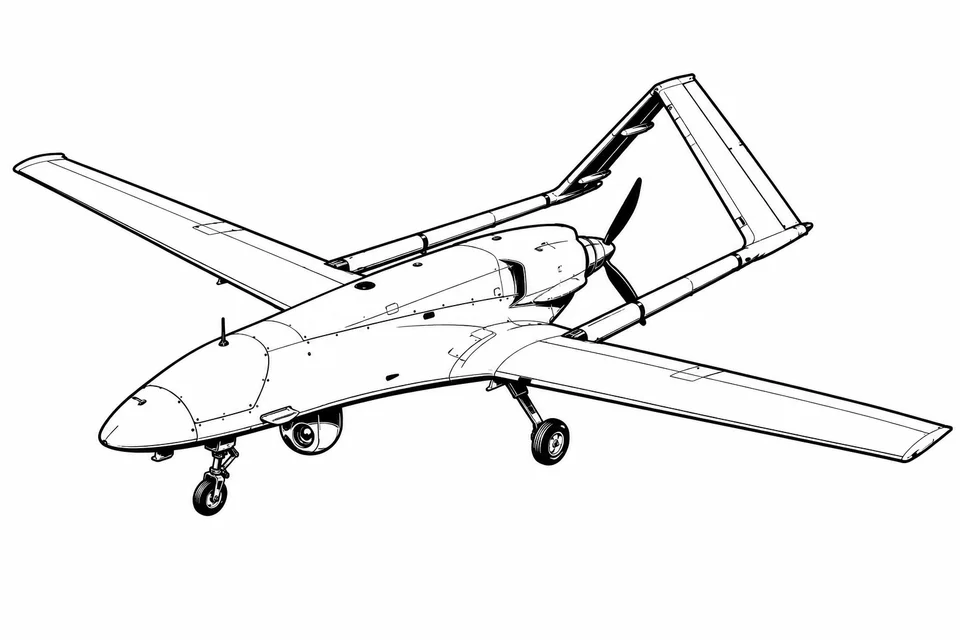
Both the MQ-9 Reaper and Bayraktar TB2 combine persistent reconnaissance with precision attack, but they occupy different size and payload classes. Reaper is the heavier, faster platform with more capacity for sensors and weapons. The TB2 is a smaller armed reconnaissance aircraft whose usefulness depends on the operator's mission, communications and threat environment.
Open these drones in the interactive compare tool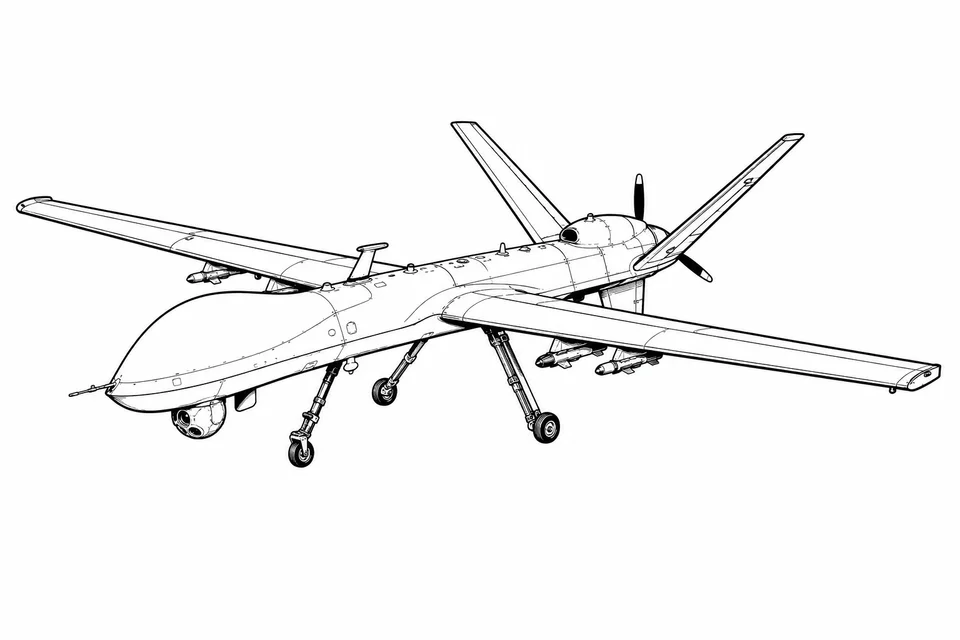
Specifications side by side
| Specification | MQ-9 Reaper | Bayraktar TB2 |
|---|---|---|
| Manufacturer | General Atomics | Baykar |
| Country of origin | USA | Turkey |
| Mission role | Attack / Reconnaissance | Reconnaissance / Light Attack |
| Year introduced | 2007 | 2014 |
| Length | 11 m | 6.5 m |
| Wingspan | 20 m | 12 m |
| Height | 3.8 m | 2.2 m |
| Maximum speed | 482 km/h | 110 KTAS / about 204 km/h (current baseline manufacturer figure) |
| Published range | 1,850 km | Communications and mission dependent; LOS/BLOS configuration varies |
| Endurance | 27 hours | 18+ hours listed; 27 h 3 min record (manufacturer) |
| Service ceiling | 15,240 m | 20,000 ft / about 6,100 m (baseline); turbo test records differ |
| Payload | 1,746 kg | 150 kg (current baseline manufacturer figure) |
| Weight | 2,223 kg | 700 kg MTOW (current baseline manufacturer figure) |
| Armament | AGM-114 Hellfire, GBU-12/38 JDAM, GBU-49 | MAM-L, MAM-C smart munitions, LUMTAS |
Figures below come from the linked DroneStrike profiles and retain their configuration qualifiers. Maximum speed, range, endurance and payload are separate published figures, not a single achievable mission configuration. Range is not necessarily combat radius or datalink reach. Missing information is not zero, and a larger figure does not establish combat effectiveness.
Similar mission labels, different aircraft classes
Calling both aircraft combat drones can hide the most important distinction. Reaper has a much larger airframe and payload allowance, supporting heavier weapons and more equipment. The TB2's baseline manufacturer specifications describe a substantially lighter aircraft, designed around a smaller payload and light precision munitions.
Those differences do not automatically determine which aircraft an operator needs. Surveillance coverage, basing, personnel, training, communications and integration with other forces all matter. Public headline specifications are not a complete procurement comparison.
Sensors and weapons explain more than a speed ranking
The TB2 is associated with electro-optical surveillance and small guided munitions such as MAM-L and MAM-C. Reaper supports a wider variety of mission equipment and heavier cleared weapon combinations. Sensor fits and weapons clearances vary by customer, so a capability demonstrated on one aircraft should not be assumed on every exported example.
Reaper's greater published maximum speed can affect transit time, but maximum speed is not the same as an efficient surveillance orbit. Likewise, maximum payload and maximum endurance are not simultaneous guarantees. Compare configurations rather than combining each aircraft's best individual figures into an imaginary mission.
Baseline TB2 is not the turbo test aircraft
The TB2 profile distinguishes current baseline specifications from manufacturer endurance records and turbo-variant test results. A record-setting flight demonstrates a particular event, not the routine endurance of a fully armed aircraft. This comparison keeps the profile's qualifications visible rather than treating a flight record as a standard mission duration.
Communications range also needs care. Line-of-sight control, satellite links and mission endurance describe different limitations. A reported datalink distance cannot be compared directly with another aircraft's ferry range or combat radius.
No universal winner from battlefield reputation
Both aircraft are associated with well-known operations, but effectiveness depends on air defenses, electronic warfare, tactics and external support. Reaper is the stronger reference for heavier payload and weapons flexibility; TB2 illustrates a smaller armed reconnaissance approach. Price claims are excluded here because public figures often mix aircraft-only costs with entire systems, training and support packages.
Frequently asked questions
Is the MQ-9 Reaper larger than Bayraktar TB2?
Yes. Reaper is in a much heavier aircraft and payload class. The specification table links to both profiles so the published figures can be read with their variant qualifications.
Does TB2's endurance record show its normal combat endurance?
No. A flight record is not a standard loaded mission. The TB2 profile separates the manufacturer's baseline endurance listing from its record flight.
Can these figures establish which drone survives modern air defenses?
No. Survivability depends on the threat, mission planning, electronic warfare and supporting systems, not a simple comparison of payload, endurance or maximum speed.
Sources and further reading
- U.S. Air Force: MQ-9 Reaper fact sheet
- Baykar: Bayraktar TB2 product specifications
- Baykar: TB2T-AI turbo-variant test record
Specifications are drawn from the linked catalog profiles. Source dates and aircraft configurations may differ; see the individual profiles for their timelines and qualifications.