Naval system · USV
JARI USV
Multi-Role Surface Combat
Also known as: JARI-USV / JARI unmanned combat boat
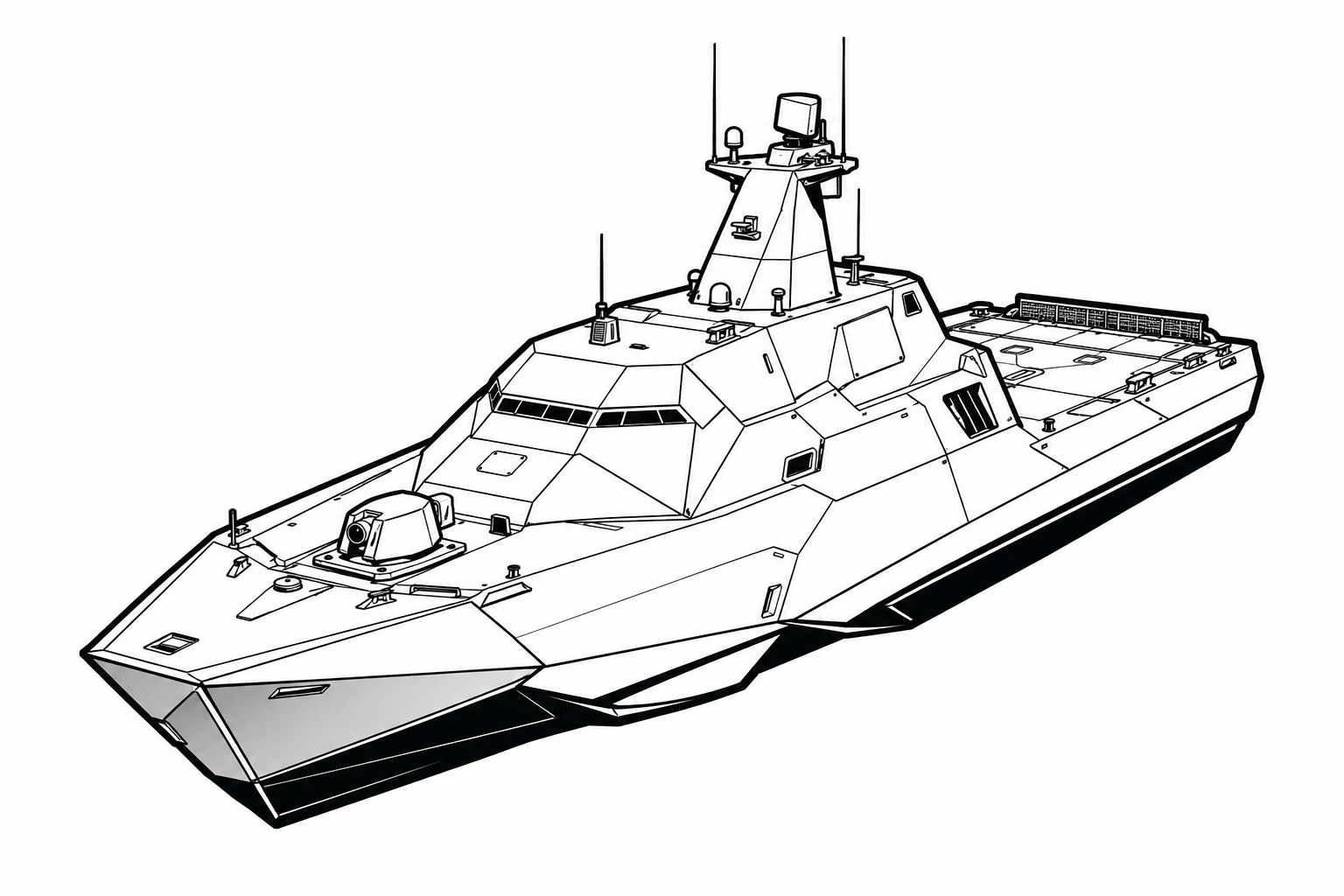
JARI USV overview
Last reviewed:
JARI USV is the small Chinese unmanned combat-boat demonstrator associated with the former China Shipbuilding Industry Corporation's No. 716 and No. 702 research institutes. JARI refers to the Jiangsu Automation Research Institute. Its public design combines a compact surface vessel with sensors and proposed weapons for several naval missions. It should not be confused with the much larger JARI-USV-A Orca, which shares the family name but has a different hull, displacement, and capability scale.
The original JARI boat is generally described as approximately 15 m long, 4.8 m wide, and 20 tonnes in displacement. Publicly reported figures include a maximum speed near 42 knots and a range around 500 nautical miles. These are design and promotional figures for the small craft, not independently demonstrated simultaneous performance maxima. A displacement figure describes the vessel's total mass in a specified condition, not the weight of its weapons payload alone.
Public displays and descriptions associate JARI with phased-array radar, electro-optical sensing, and navigation equipment. Proposed armament has included a small gun, missile-launch provisions, and lightweight torpedo capability. Those features suggest a multi-role experiment rather than proof that one deployed boat routinely performs air defense, surface combat, and submarine prosecution at once. The integration, certification, and command arrangements for each weapon are separate questions.
The No. 716 Institute announced launch of the boat on August 21, 2019, and contemporary reporting quoted its description of the vessel as combat ready. That phrase is the developer's characterization. It does not establish a publicly documented commissioning into a named operational unit or an independently audited combat qualification. Naval demonstrations and a shipbuilder's launch announcement are useful milestones, but they should not be expanded into a fictional fleet delivery history.
In November 2024, Chinese state media presented the 58 m, approximately 500-tonne JARI-USV-A Orca at Zhuhai. That separate trimaran illustrates a much larger direction in unmanned naval combat development. Its advertised thousands-of-nautical-miles range and other weapons arrangements do not belong in the small JARI boat's specification table. Shared branding is not enough to transfer the newer vessel's endurance, payload, or level of autonomy to the original demonstrator.
At the October 2026 review, the most reliable public description remains a small multi-role unmanned combat-boat development with a documented launch and a larger separately identified family member. Public sources reviewed do not settle its operational fleet size, combat employment, or final autonomous-engagement arrangements. Its significance lies in exploring how sensors and weapons can be integrated on an uncrewed hull. The current profile separates that engineering ambition from proven commissioned service and keeps the two JARI sizes distinct.
Armament
Displayed/proposed gun, missile, and torpedo integrations; operational fit unconfirmed
Development and operational timeline
- The small JARI unmanned combat-boat concept is publicly exhibited at Zhuhai
- The No. 716 Institute announces launch of JARI; its combat-ready description is a developer claim
- Xinhua presents the much larger JARI-USV-A Orca; its specifications do not describe the original 15 m boat
- Status review: commissioned fleet size and operational employment of the original JARI remain unconfirmed in the sources reviewed