Air system · Attritable Autonomous Strike Aircraft
Gambit 6
IADS Suppression / Strike / Electronic Attack / Loyal Wingman
Also known as: Gambit 6 / General Atomics Gambit / GA-ASI Gambit 6 / attritable autonomous aircraft
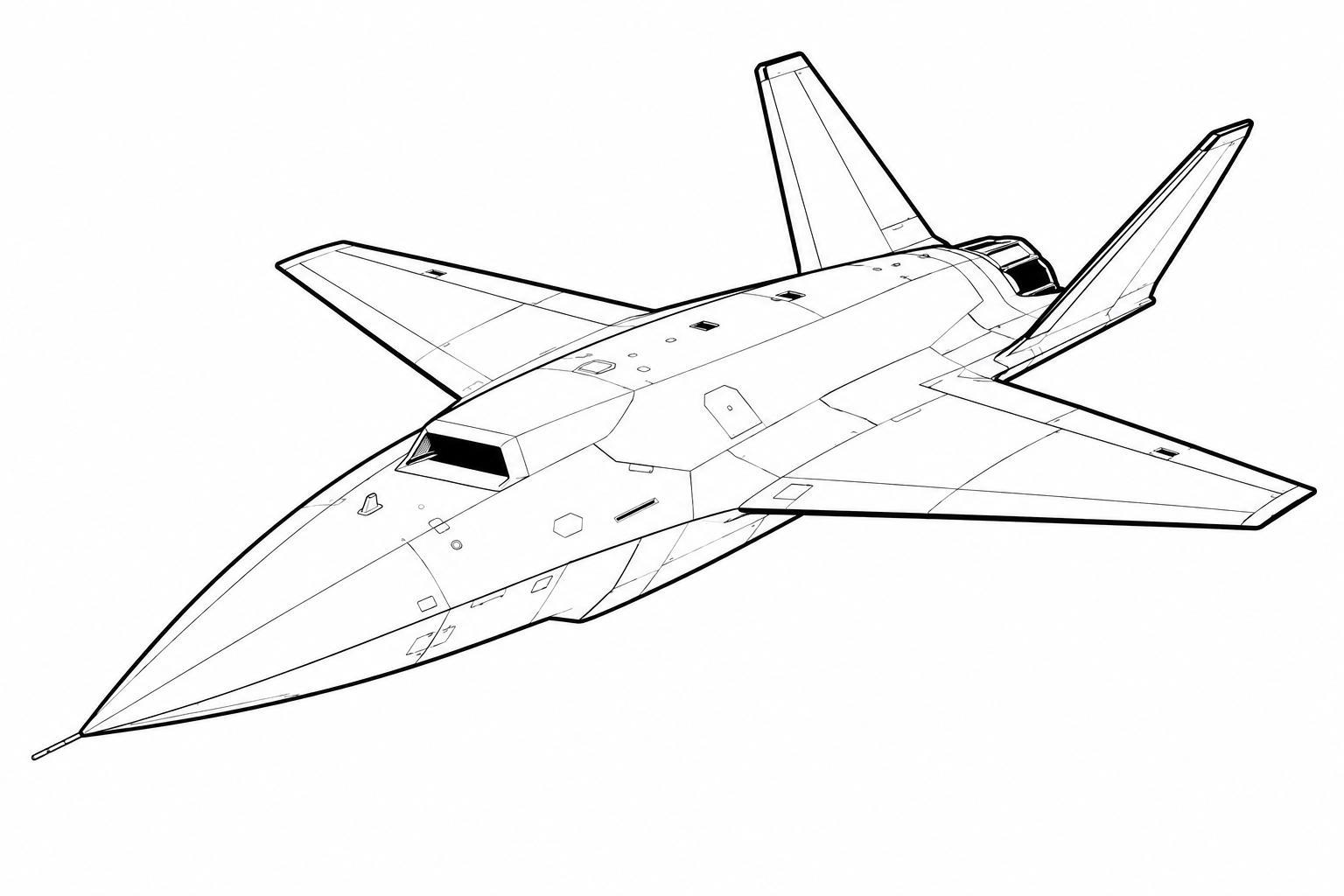
Gambit 6 overview
The Gambit 6 is the flagship member of General Atomics Aeronautical Systems' Gambit family of attritable autonomous aircraft, a product line designed from its inception around the principle that future air warfare will require autonomous aircraft affordable enough to accept combat losses without the program-ending political consequences that would follow the loss of a $100 million crewed fighter or a $30 million MQ-9 Reaper. The Gambit family name reflects the deliberate strategic logic of the design: in chess, a gambit accepts a sacrifice in exchange for a decisive positional advantage, and the Gambit 6 operationalizes that logic — individual aircraft are treated as expendable tactical assets rather than capital investments, enabling commanders to employ them aggressively in threat environments where risk-aversion would otherwise prevent effective action. The Gambit 6 is the largest and most capable variant in the family, with a fuel-fraction-optimized flying wing configuration providing a combat radius of approximately 1,500 nautical miles, a gross takeoff weight in the 3,500 to 4,500 kg class, and an internal payload bay capable of accommodating four GBU-53/B StormBreaker small glide bombs, two AIM-120D AMRAAM air-to-air missiles, or a multi-function electronic warfare payload. Its low-observable airframe features sawtooth apertures, aligned edges, and a dorsal serpentine engine inlet shaped for radar cross-section reduction in forward and lateral sectors relevant to ground-based and airborne threat radars.
GA-ASI developed the Gambit family by inverting the typical defense acquisition approach: rather than starting with capability requirements and deriving cost from design, the Gambit program began with a target unit flyaway cost — assessed at between $3 million and $8 million per aircraft depending on configuration — and designed the most capable aircraft achievable within that cost envelope using manufacturing processes derived from commercial aerospace production rather than defense-exclusive supply chains. This approach required significant engineering tradeoffs: the Gambit 6 uses a subset of the composite materials and manufacturing processes used in the MQ-9 Reaper, supplemented by automotive-industry automated manufacturing techniques that reduce labor content per aircraft by approximately 60 percent compared to traditional military aerospace production. The result is a platform that, at scale, can be produced in sufficient numbers to saturate adversary air defense networks — a capability that no crewed aircraft or traditional unmanned platform can replicate at comparable cost. The autonomy system draws on GA-ASI's multi-decade experience with the MQ-1, MQ-9, and Avenger, adapted for the higher-tempo decision-making and longer-duration communications blackouts of contested air operations.
As of 2025–2026, the Gambit 6 is in flight testing at Edwards Air Force Base under a USAF Advanced Battle Management System integration contract, demonstrating its ability to receive mission tasking from F-35 pilot operators via the ABMS network, execute autonomous penetration of simulated adversary IADS, and deliver weapons or electronic attack effects before egressing and recovering to a forward operating base. The USAF has described the Gambit 6 as a key component of its Penetrating Affordable Autonomous Collaborative Killer (PAACK) concept — a doctrinal construct in which large numbers of Gambit-class attritable aircraft precede crewed strike packages, exhausting adversary air defense missile inventories and providing targeting data before higher-value crewed aircraft enter the threat envelope. Congressional interest has driven a supplemental procurement line in the FY2026 defense budget, with initial production funding for 75 Gambit 6 aircraft authorized as part of the broader USAF autonomous systems investment acceleration following the CCA program's momentum.
Armament
4× GBU-53/B StormBreaker small glide bombs; 2× AIM-120D AMRAAM (air-to-air config); electronic attack jamming payload option
Development and operational timeline
- GA-ASI announces Gambit family concept; design-to-cost approach targeting $3–8M unit flyaway price confirmed
- Gambit 6 selected as flagship variant; flying wing configuration and 1,500 nm combat radius specified
- Gambit 6 preliminary design review completed; USAF awards advanced development contract under ABMS integration program
- Gambit 6 first flight at Edwards Air Force Base; autonomous navigation, sensor fusion, and ABMS datalink validated
- Weapons integration test: GBU-53/B StormBreaker carriage and simulated release validated in flight
- Electronic warfare payload variant tested; SIGINT collection and active deception jamming demonstrated against representative threat emitters
- USAF PAACK concept exercise: Gambit 6 executes simulated IADS suppression mission autonomously receiving tasking from F-35 ABMS node
- USAF presents Gambit 6 as attritable IADS-saturation solution to SASC; Congressional interest drives supplemental procurement authorization
- FY2026 defense budget includes initial production funding for 75 Gambit 6 aircraft; manufacturing ramp planning begins at GA-ASI Palmdale facility
- Gambit 6 production contract awarded; first production aircraft scheduled for delivery in 2028 with full ABMS and CCA interoperability