Air system · Tactical UAV
Caçador
ISR / Surveillance
Also known as: Caçador / Hunter / Santos Lab Tactical ISR
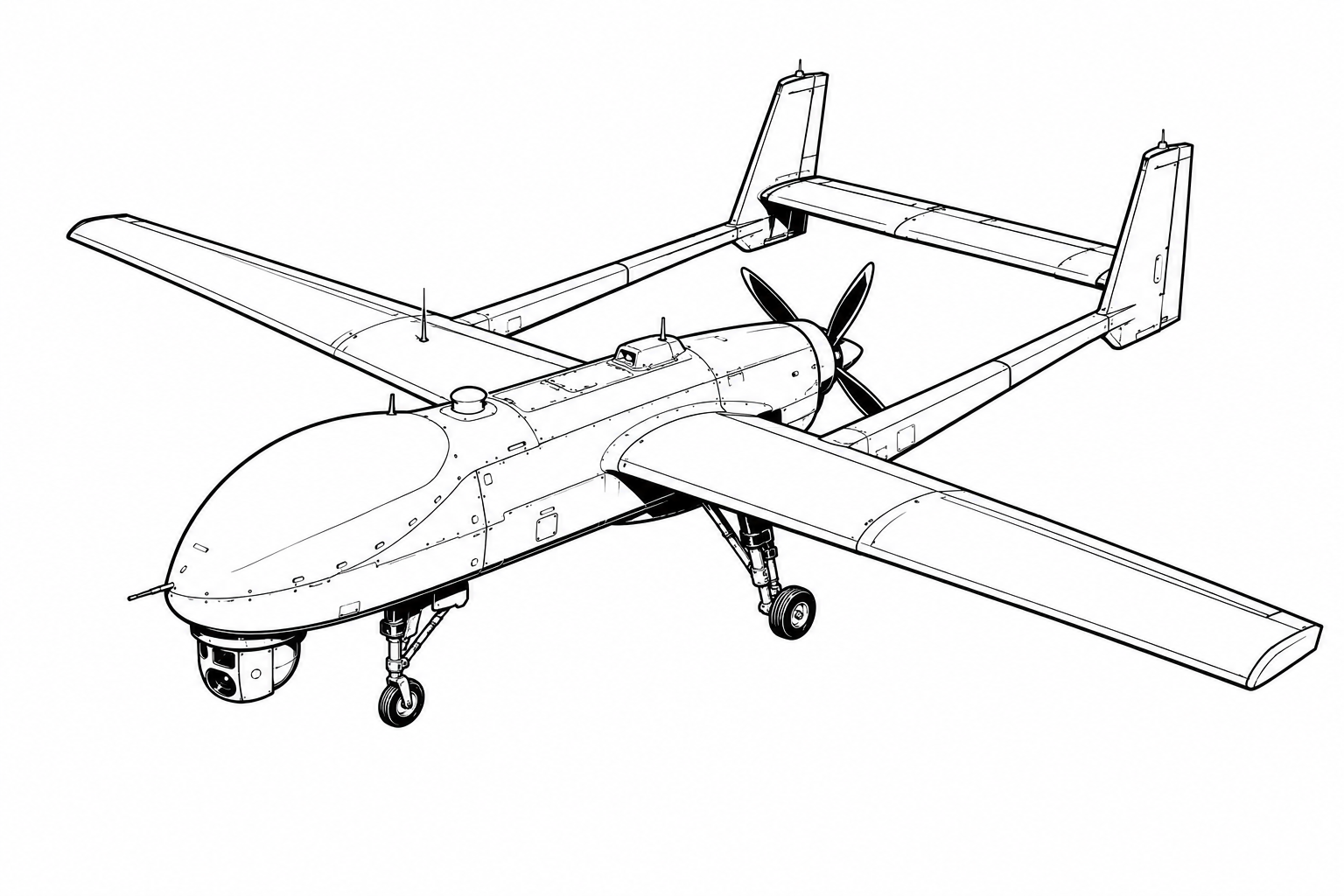
Caçador overview
The Caçador is a tactical unmanned aerial vehicle developed by Santos Lab for surveillance and intelligence-gathering missions in support of Brazilian military and security operations. Entering service around 2018, the Caçador features a 4.6-meter wingspan and approximately 5 hours of endurance, providing a capable medium-range ISR platform that bridges the gap between smaller hand-launched mini UAVs and larger MALE-class systems. The name Caçador, meaning 'Hunter' in Portuguese, reflects the platform's primary role of seeking out and tracking targets of interest across challenging terrain.
The Caçador carries a gimbaled electro-optical and infrared sensor payload with digital zoom and automatic target tracking capability, streaming high-definition video to ground control stations in real time. The platform features a catapult launch system and belly-landing recovery, enabling operations from austere locations without prepared runways. Santos Lab designed the Caçador to withstand the demanding environmental conditions of tropical operations, including high humidity, heavy rainfall, and extreme heat commonly encountered in Brazil's operational theaters. The system has been deployed in border surveillance missions along remote frontier regions and has supported law enforcement operations against illegal mining and deforestation in the Amazon basin, demonstrating the platform's utility across both military and civil-security mission sets.
Armament
None (ISR / surveillance)
Development and operational timeline
- Santos Lab begins Caçador development as medium-range tactical UAV
- Caçador prototype completes qualification flight testing
- Caçador enters service with Brazilian Armed Forces
- Caçador deployed for Amazon border surveillance operations
- Santos Lab delivers upgraded Caçador with enhanced sensor suite