Air system · Tactical UAV
Albatross
ISR / Reconnaissance
Also known as: Albatross / Tactical Reconnaissance UAV / NCSIST Albatross
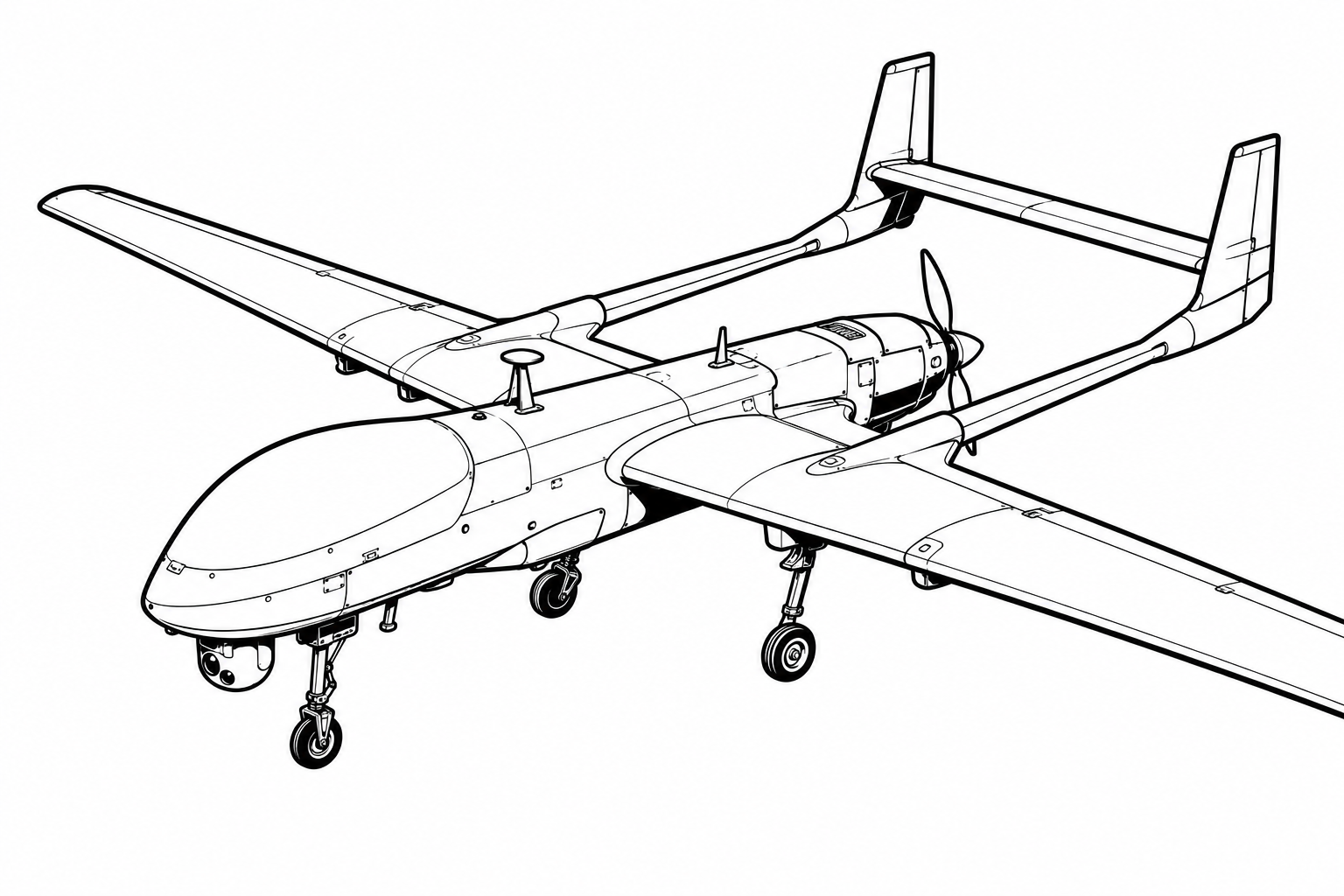
Albatross overview
The Albatross is a tactical unmanned aerial vehicle developed by Taiwan's NCSIST for short- to medium-range intelligence, surveillance, and reconnaissance missions. Introduced into service around 2010, the Albatross was among the first generation of domestically developed drones fielded by the Republic of China Armed Forces. With a compact airframe measuring approximately 3.2 meters in length and a 5.3-meter wingspan, the Albatross is designed for rapid deployment by ground units requiring real-time battlefield awareness and target acquisition support.
The Albatross has been deployed with Taiwan's army brigades and marine corps units, providing tactical-level ISR coverage during exercises simulating defense scenarios along Taiwan's coastline and outlying islands. The platform carries electro-optical and infrared sensor payloads capable of day and night operations, with a maximum endurance of approximately 8 hours. While modest in capability compared to larger platforms, the Albatross played a critical role in establishing Taiwan's operational doctrine for tactical UAS employment and provided valuable experience that informed the development of subsequent improved variants. The system remains in limited service as a training and supplementary ISR platform.
Armament
None (reconnaissance only)
Development and operational timeline
- NCSIST begins Albatross tactical UAV development
- Albatross prototype completes initial flight trials
- Albatross enters operational service with ROC Army
- Albatross deployed during Han Kuang military exercises
- Albatross transitions to training role as newer systems arrive