Air system · Tactical UAV
Albatross II
ISR / Reconnaissance
Also known as: Albatross II / Improved Tactical UAV / NCSIST Albatross II
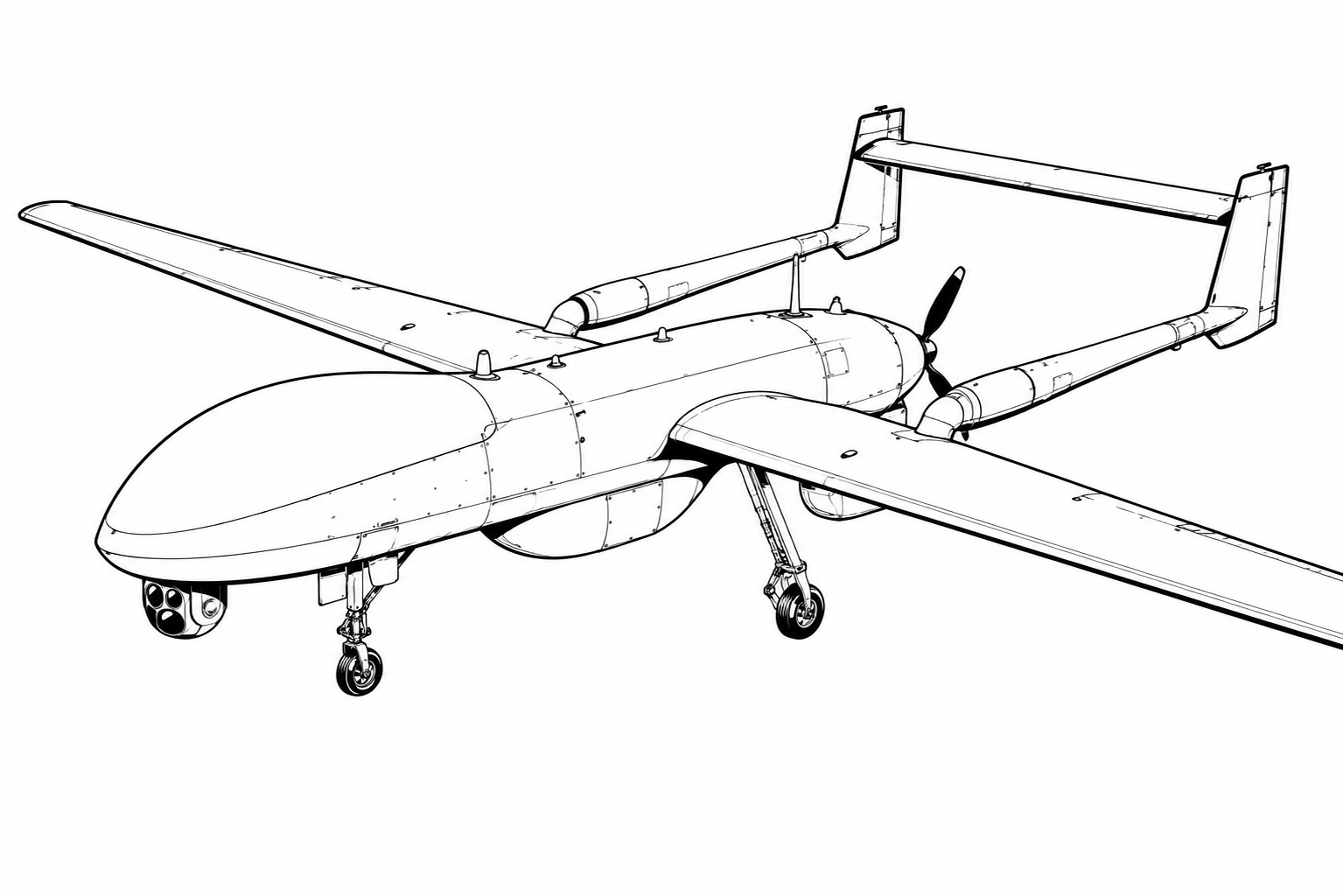
Albatross II overview
The Albatross II is an improved tactical UAV developed by NCSIST as a successor to the original Albatross platform, incorporating lessons learned from operational experience and advances in miniaturized sensor technology. Entering service around 2018, the Albatross II features a slightly larger airframe with approximately 6-meter wingspan, extended endurance of up to 12 hours, and an upgraded sensor suite including improved electro-optical cameras with higher resolution and digital data links with enhanced range and encryption.
The Albatross II was designed to fill the gap between small hand-launched drones and larger MALE-class platforms in Taiwan's unmanned aircraft inventory. It can be launched from mobile ground stations using pneumatic catapult launchers and recovered via parachute or belly landing, making it suitable for operations from unprepared locations including forward operating bases and road strips. The platform has been integrated into Taiwan's joint surveillance architecture, feeding real-time imagery to command centers during both routine patrols and large-scale exercises. The Albatross II represents the maturation of Taiwan's tactical drone capabilities and continues to serve as a primary ISR asset for brigade-level operations.
Armament
None (reconnaissance only)
Development and operational timeline
- NCSIST initiates Albatross II development program
- Albatross II prototype achieves first flight
- Albatross II enters service with ROC Army and Marine Corps
- Albatross II participates in joint maritime surveillance drill
- NCSIST delivers upgraded sensor package for Albatross II fleet