Air system · Tactical UAV
Atobá
ISR / Artillery Spotting
Also known as: Atobá / Booby Bird / Avibras Tactical UAV
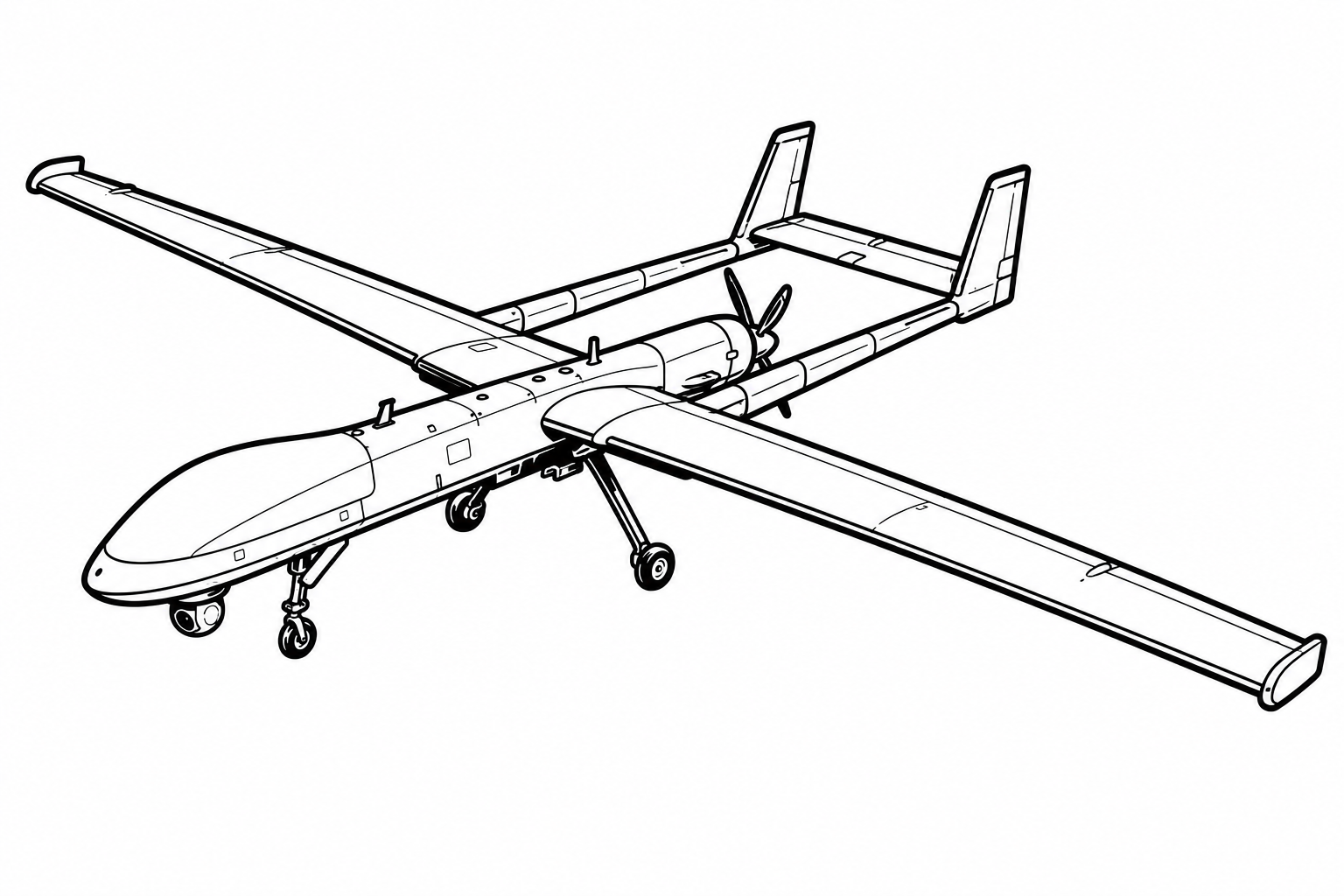
Atobá overview
The Atobá is a tactical unmanned aerial vehicle developed by Avibras Divisão Aérea e Naval in collaboration with the Brazilian Air Force (FAB) for intelligence, surveillance, reconnaissance, and artillery spotting missions. Entering service around 2012, the Atobá was designed to meet the Brazilian military's need for an indigenous medium-range ISR platform capable of operating over the vast and varied terrain of South America, from dense Amazon rainforest to open cerrado grasslands. With a wingspan of approximately 5.8 meters and endurance of around 6 hours, the platform provides persistent tactical coverage at ranges suitable for brigade-level operations.
The Atobá carries a stabilized electro-optical and infrared sensor turret capable of real-time video downlink to mobile ground control stations. The system has been employed in border surveillance operations along Brazil's extensive and often remote frontier regions, supporting counter-narcotics and anti-smuggling efforts coordinated by the Brazilian Armed Forces. The platform's catapult launch and parachute recovery system allows deployment from unprepared sites, a critical requirement for operations in remote areas lacking conventional runways. The Atobá program marked a significant milestone in Brazil's efforts to develop an autonomous defense industrial capability in unmanned systems, building on Avibras's legacy as a leading Brazilian defense manufacturer.
Armament
None (ISR / artillery spotting)
Development and operational timeline
- Avibras begins Atobá development program with FAB requirements
- Atobá prototype achieves first flight
- Atobá enters operational service with Brazilian Air Force
- Atobá deployed for border surveillance in Amazon region
- FAB conducts Atobá integration with artillery fire coordination systems