Air system · UCAV
Saegheh
Strike / Reconnaissance
Also known as: Saegheh / Thunderbolt / RQ-170 copy
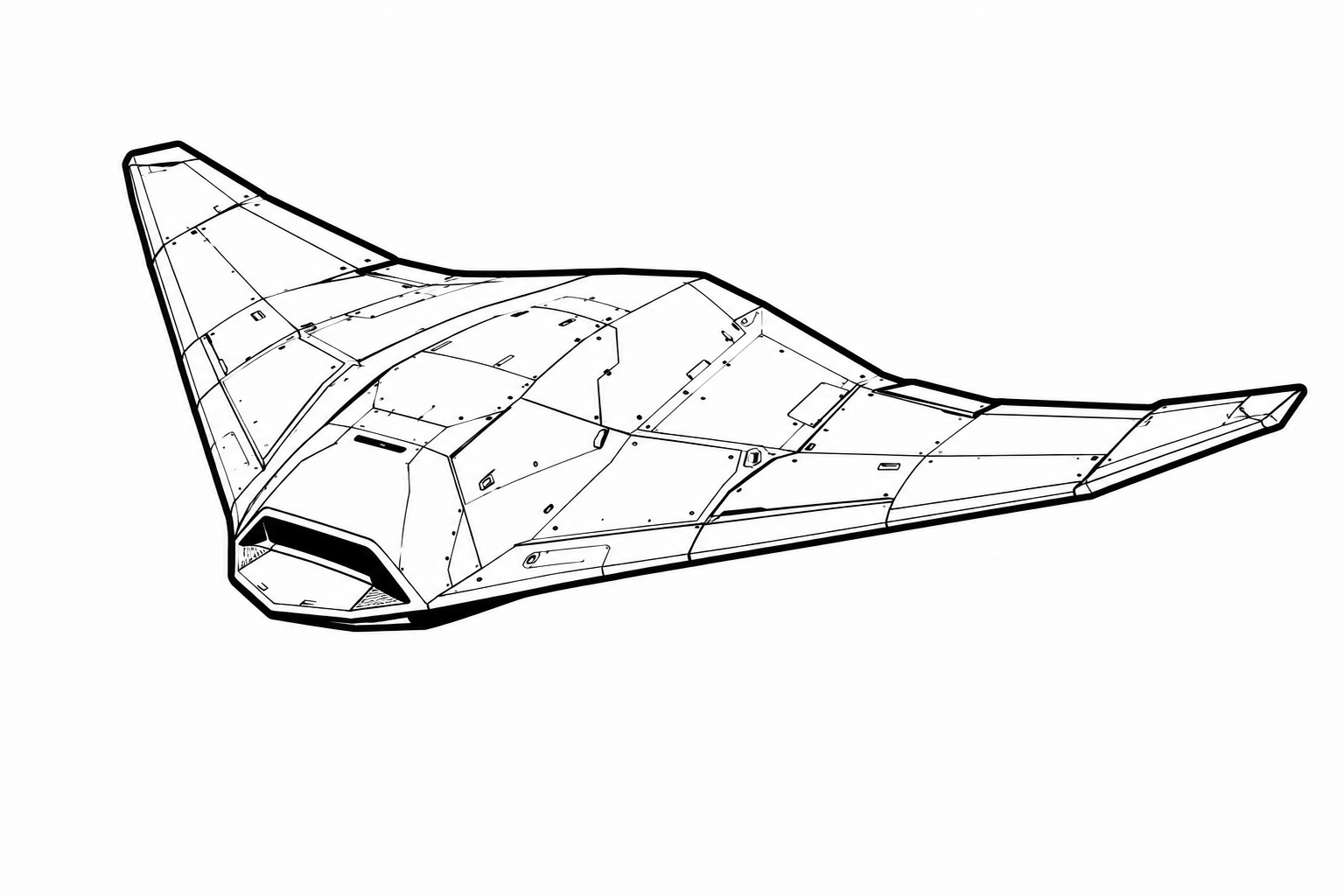
Saegheh overview
The Saegheh (Thunderbolt) is an unmanned combat aerial vehicle developed by Iran, reportedly based on reverse-engineered technology from the American RQ-170 Sentinel that was captured by Iran in December 2011. The Saegheh features a flying wing design similar to the Sentinel but is significantly smaller and incorporates modifications including weapons capability. Iran has displayed the aircraft carrying four precision-guided bombs, suggesting a strike role rather than the pure reconnaissance mission of the original RQ-170.
Iran has produced multiple variants of the Saegheh and showcased them during military exercises and parades. Western analysts have expressed skepticism about the aircraft's true capabilities, suggesting it may not replicate the stealth features of the original RQ-170. As of 2025, the Saegheh remains part of Iran's drone arsenal, though its operational status and true capabilities are difficult to verify independently. Its significance lies in Iran's strategy of leveraging captured Western technology for reverse engineering, a practice that has accelerated the development of Iran's indigenous drone program and raised concerns about technology compromise from drone losses.
Armament
Sadid-1 guided bombs (x4)
Development and operational timeline
- Iran captures RQ-170 Sentinel, begins reverse engineering
- Iran unveils Saegheh UCAV based on RQ-170 technology
- Saegheh demonstrated during Iranian military exercises
- Updated Saegheh variant displayed at Iranian defense exhibition
- Iran continues Saegheh development alongside newer platforms