Air system · Combat / Target Drone
Karrar
Strike / Aerial Target / Reconnaissance
Also known as: Karrar combat drone / Iranian jet drone / HESA Karrar
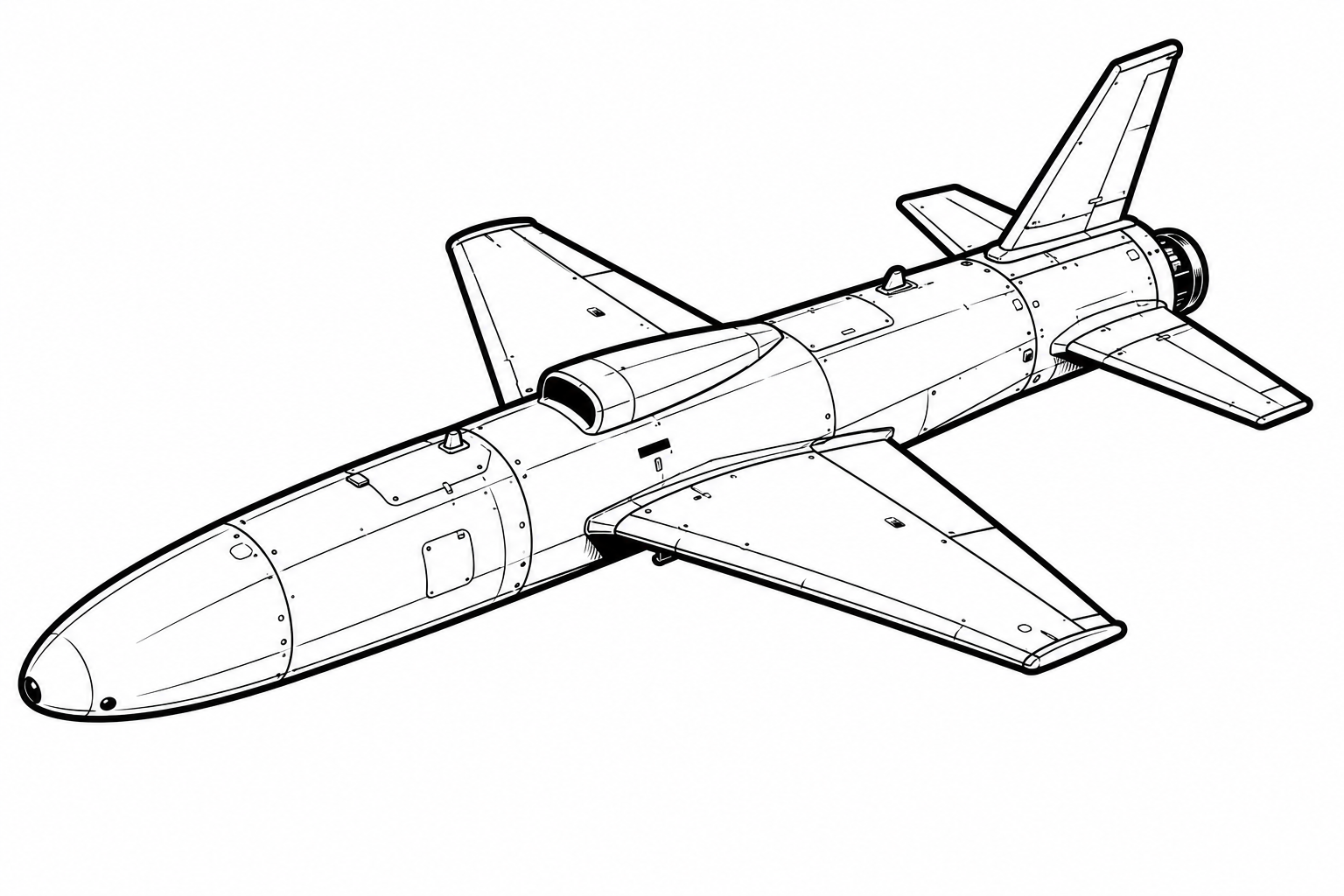
Karrar overview
The Karrar is Iran's first domestically-produced jet-powered combat drone, unveiled in 2010 and serving since then as both a strike platform and an aerial target for air defense training. Developed by HESA (Iran Aircraft Manufacturing Industrial Company), the Karrar drew on reverse-engineered components and design principles from various sources including the American BQM-74 Chukar target drone — design elements of which appeared in Karrar's configuration following the capture of a Chukar during the Iran-Iraq War. The result is a swept-wing jet drone capable of supersonic dash speeds that represents a genuine capability step above Iran's subsonic propeller-driven strike drones.
In its combat role, the Karrar can carry a pair of Nasr anti-ship missiles or free-fall bombs beneath its wings, giving it genuine offensive punch against naval and ground targets. The Nasr missile, with a range of approximately 35 km, allows the Karrar to engage naval targets beyond the range of most point defense systems, threatening shipping in the Persian Gulf, Strait of Hormuz, and Arabian Sea. Iran has demonstrated the Karrar in multiple exercises simulating attacks on carrier strike groups and surface action groups, using the drone in coordinated profiles with conventional anti-ship missiles to complicate defensive fire distribution.
As a target drone, the Karrar provides Iranian air defense units with a realistic high-speed target that replicates the performance of modern cruise missiles and supersonic aircraft — training that cannot be achieved against slower propeller-powered targets. This dual role gives the Karrar ongoing operational relevance even as Iran develops more capable strike platforms, since maintaining a trained air defense force requires realistic high-performance targets regardless of what other strike systems are in the inventory. By 2026, the Karrar remained in active Iranian service in both roles and had been cited in regional conflict scenario analyses involving potential strikes against Israeli, Saudi, and U.S. naval assets in the Persian Gulf region.
Armament
2 × Nasr anti-ship missiles, unguided bombs, or Kowsar anti-radiation missiles
Development and operational timeline
- HESA begins Karrar development using reverse-engineered BQM-74 components and domestic turbine development
- Karrar unveiled by President Ahmadinejad; Iran claims first domestically-produced jet combat drone
- Karrar enters Iranian military service in aerial target configuration for air defense training
- Nasr anti-ship missile integration tested; Karrar fires Nasr in live-fire naval exercise in Persian Gulf
- Karrar demonstrated in Velayat-94 naval exercises; simulated attack on carrier strike group profile shown
- Upgraded Karrar variant unveiled with improved engine and range extension
- Karrar cited in regional conflict threat assessments following U.S.-Iran tensions
- Iran deploys Karrar in air defense exercise testing against incoming ballistic and cruise threats
- Karrar continues service; IRGC Aerospace Force exercises include Karrar strike profiles against naval simulated targets
- Karrar referenced in regional conflict coverage; Iran's anti-ship strike capability assessed by Western naval analysts