Air system · Long-Range One-Way Attack UAV
MICH 2000
Long-Range Strike
Also known as: MICH-2000 / Ukrainian MICH 2000
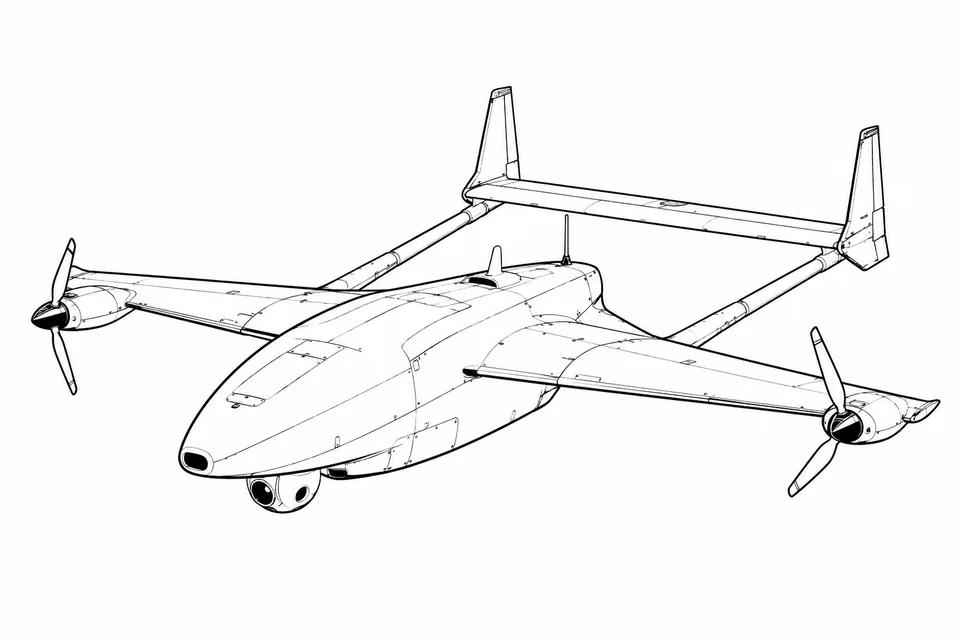
MICH 2000 overview
Last reviewed:
MICH 2000 is a Ukrainian long-range, one-way attack drone reported to carry 25–60 kg warheads over distances of up to 2,000 km, depending on configuration. Publicly identified in August 2026, it is associated with the Security Service of Ukraine's Alpha special operations center. Its forward canards and flying-wing layout led observers to mistake it for several foreign designs before Ukrainian factory reporting established its name and development history. It is a deep-strike aircraft, not a reusable reconnaissance platform or a small battlefield FPV quadcopter.
The clearest public account comes from an Oboronka factory visit, summarized by Militarnyi on 12 August 2026. According to that reporting, Ukrainian engineers visited China in late 2023 while investigating civilian unmanned aircraft and subsequently established domestic production. The design is linked in reporting to the Chinese ZTK-150, but describing operational MICH aircraft simply as imported ZTKs misses the reported Ukrainian changes to production and mission equipment. The manufacturer is not publicly named in the cited account, so the page does not assign the project to a guessed company.
First test flights reportedly took place in summer 2024, followed by an initial three-aircraft combat deployment in October. The factory account describes eight configurations with different fuel capacity, communications and terminal guidance options. The reported maximum range and largest warhead should not be read as a proven combination on every version. Communications options reportedly include satellite connectivity, but that does not establish a universal sensor fit or a guaranteed ability to operate through electronic warfare. Publicly verified airspeed, dimensions and flight endurance remain limited.
Militarnyi attributed several 2026 attacks to MICH 2000, including the July 16 strike at Engels-2, where satellite imagery showed damage to a Tu-95MS bomber. Imagery can establish damage at an airfield without independently identifying every aircraft responsible for it; the platform attribution remains the publication's reporting. The same article associated the system with attacks on Azov and Ust-Luga. These examples explain why long-range drones can matter beyond the front line: they extend the set of rear-area assets that defenders must monitor and protect.
Industrial scale is another important part of the story. The August factory report quoted a base price of $48,000, approximately 85% localization and output around 6,000 aircraft a year, with a proposed increase to 10,000. Those are source-reported price and production claims, not independently audited totals. A proposed MICH+ with a 70 kg warhead and 600 km range is a separate configuration and should not overwrite MICH 2000 specifications. As of the November 2026 review, the useful comparison points are configuration-dependent reach, warhead class, manufacturing evidence and attributed operational use—not an assumed fixed specification for the entire family.
Armament
Single-use explosive warhead; reported configurations vary
Development and operational timeline
- Factory reporting later traces the project's origins to a late-2023 Ukrainian engineering visit to China
- First test flights reportedly take place during summer 2024; an initial three-aircraft combat deployment follows in October
- Militarnyi later attributes the Engels-2 attack to MICH 2000; satellite imagery documents bomber damage, not a complete independent platform attribution
- Oboronka factory reporting, summarized by Militarnyi, publicly identifies MICH 2000 and describes eight configurations, reported production and payload options
- Editorial status review: configuration-specific claims retained with attribution; proposed MICH+ specifications remain separate