Air system · Tactical UAV
Searcher
ISR / Artillery Spotting
Also known as: Searcher / Searcher Mk II / Searcher Mk III
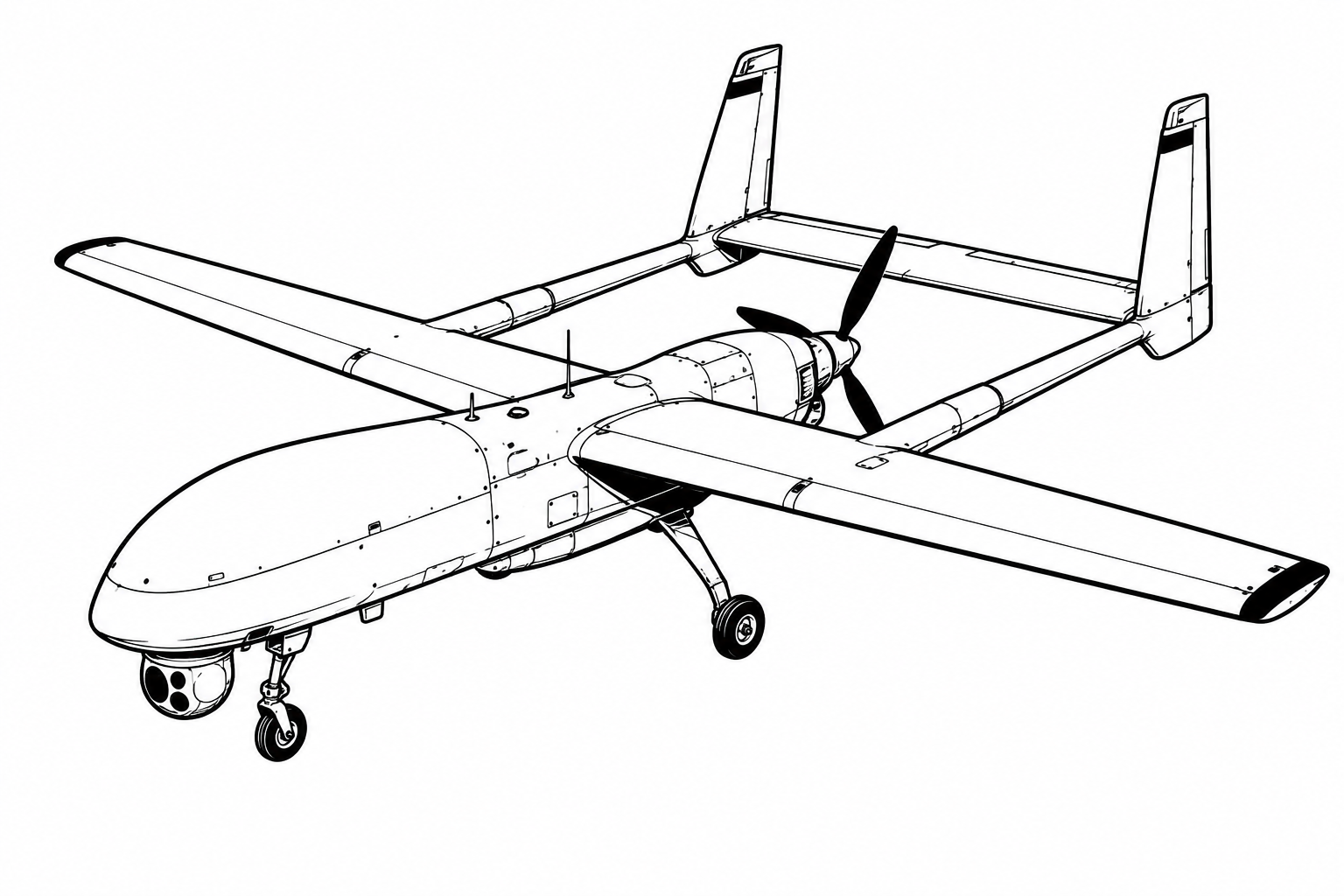
Searcher overview
The IAI Searcher is a tactical unmanned aerial vehicle developed by Israel Aerospace Industries that became one of Israel's first widely exported ISR drone platforms. Entering service in 1992, the Searcher has a distinctive twin-boom pusher configuration and public reference figures of a 7.22-meter wingspan, up to 18 hours of endurance, and ranges exceeding 300 kilometers. Those figures vary by Mk II/Mk III configuration and payload. The platform carries stabilized electro-optical and infrared sensors for intelligence gathering, surveillance, and artillery observation; exact sensor fits are operator-specific.
The Searcher has been operated by the Indian Army, which acquired the system in the late 1990s and used it for border surveillance and other missions. Singapore, Thailand, and Sri Lanka are also publicly associated with Searcher procurement, although service dates and current inventories differ. The aircraft's reported reliability and moderate payload helped establish it as a tactical ISR reference point, but the historical record does not show that every operator retained the same variant or upgrade standard.
IAI's current public portfolio emphasizes newer Heron, Hermes, and small-UAS families, while the Searcher is now principally a legacy platform maintained or upgraded by existing operators. Reports of Searcher-family derivatives, including Russia's Forpost, should not be counted as new IAI production or as proof that every operator retains the original Israeli configuration. Through 2025, publicly available material supports residual relevance in long-running operator fleets but does not provide a new global production order or a verified Searcher Mk IV program.
As of early 2026, no authoritative manufacturer or defense-ministry announcement establishes a new Searcher service entry, a universal retirement date, or a fresh export campaign. The careful update is therefore maintenance and residual operational use rather than a newly verified development milestone. Exact operator inventories and upgrade configurations remain country-specific and are not inferred from the original Searcher specification sheet.
Armament
None (ISR only)
Development and operational timeline
- IAI begins development of Searcher tactical UAV program
- Searcher enters operational service with Israel Defense Forces
- Indian Army acquires Searcher Mk II for border surveillance
- Searcher Mk III variant introduced with upgraded avionics and sensors
- Reporting describes Indian Searcher fleet life-extension and sensor-upgrade work; exact scope is operator-specific
- Public status is legacy-operator sustainment and upgrades; no new Searcher production or Mk IV program is authoritatively announced