Air system · Tactical
RQ-20 Puma AE
Small Unit Reconnaissance
Also known as: Puma AE / Puma 3 AE / AeroVironment Puma
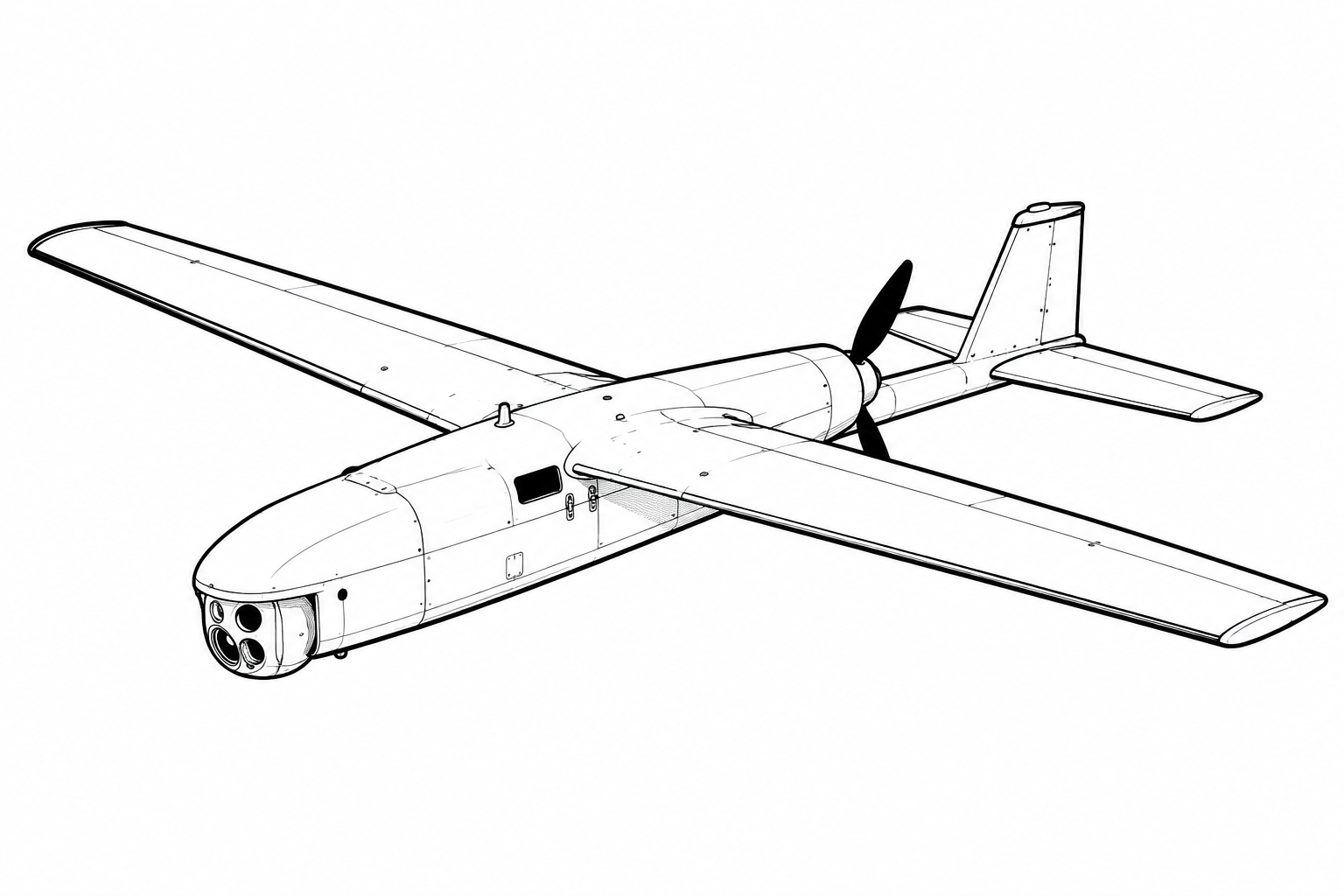
RQ-20 Puma AE overview
The RQ-20 Puma AE (All Environment) is a small, hand-launched unmanned aircraft system developed by AeroVironment that has become one of the most widely deployed tactical UAS platforms in the U.S. military inventory, with over 1,000 systems operated by the Army, Marine Corps, Navy, Special Operations Command, and allied forces worldwide. The platform fills the critical reconnaissance gap at the squad and platoon level — where units need to see what is around the next corner, over the next ridge, or across the next body of water without committing personnel to a potentially ambushed position. At 6.3 kilograms and capable of being carried in a standard backpack alongside other mission equipment, the Puma imposes virtually no logistical burden on the units that employ it.
The Puma's defining capability is its All Environment waterproof design, which allows the airframe to survive water landings and takeoffs — a feature developed in response to Special Operations Forces requirements for maritime insertion and ship boarding operations where the ability to launch and recover from water surfaces is operationally essential. The system's pusher-propeller configuration reduces propeller tip noise, while its small size makes it acoustically difficult to detect and visually challenging to spot at its typical operational altitudes of 100 to 300 feet above ground level. The Mantis i45 electro-optical and infrared sensor provides continuous video in both daylight and thermal modes, with sufficient zoom capability to identify individuals, read vehicle license plates, and assess building interiors from safe standoff distances. Endurance of approximately 2 hours and 15 minutes — significant for a platform weighing just over 6 kilograms — gives a dismounted unit persistent overhead coverage through a typical patrol or cordon operation.
The Puma AE has seen extensive combat employment in Iraq, Afghanistan, Syria, and in support of partner nation operations in Africa and the Pacific. Special Operations Command operators have used the platform for pre-assault reconnaissance, pattern-of-life surveillance, and post-strike battle damage assessment. The Puma 3 AE, introduced in 2020, added a new long-range digital data link, improved EO/IR sensor ball, and software-defined radio capability that allows the system to communicate on military encrypted networks rather than consumer-grade frequencies that can be jammed or monitored. As of 2025–2026, AeroVironment has delivered the Puma LE (Long Endurance) variant, which extends endurance to 3 or more hours through an upgraded battery system and aerodynamic refinements, addressing the most persistent user request from combat operators.
Armament
None (ISR only)
Development and operational timeline
- RQ-20 Puma achieves initial operational capability with U.S. Army and Marine Corps
- Puma AE (All Environment) waterproof variant introduced for maritime SOF operations
- Puma AE deployed to Africa with Special Operations Forces for counter-terrorism ISR
- Puma AE selected by multiple allied special operations forces via FMS
- Puma AE fleet reaches 1,000 systems delivered across U.S. and allied forces
- AeroVironment introduces Puma 3 AE with encrypted digital datalink and improved EO/IR sensor
- Puma LE (Long Endurance) variant enters testing; 3+ hour endurance demonstrated
- Puma LE enters operational service; USMC and SOF begin fielding to replace Puma 3 AE