Air system · Ducted-Fan Micro UAS
RQ-16 T-Hawk
Close Reconnaissance / Hazardous-Site Inspection
Also known as: T-Hawk / Honeywell T-Hawk / RQ-16 micro air vehicle
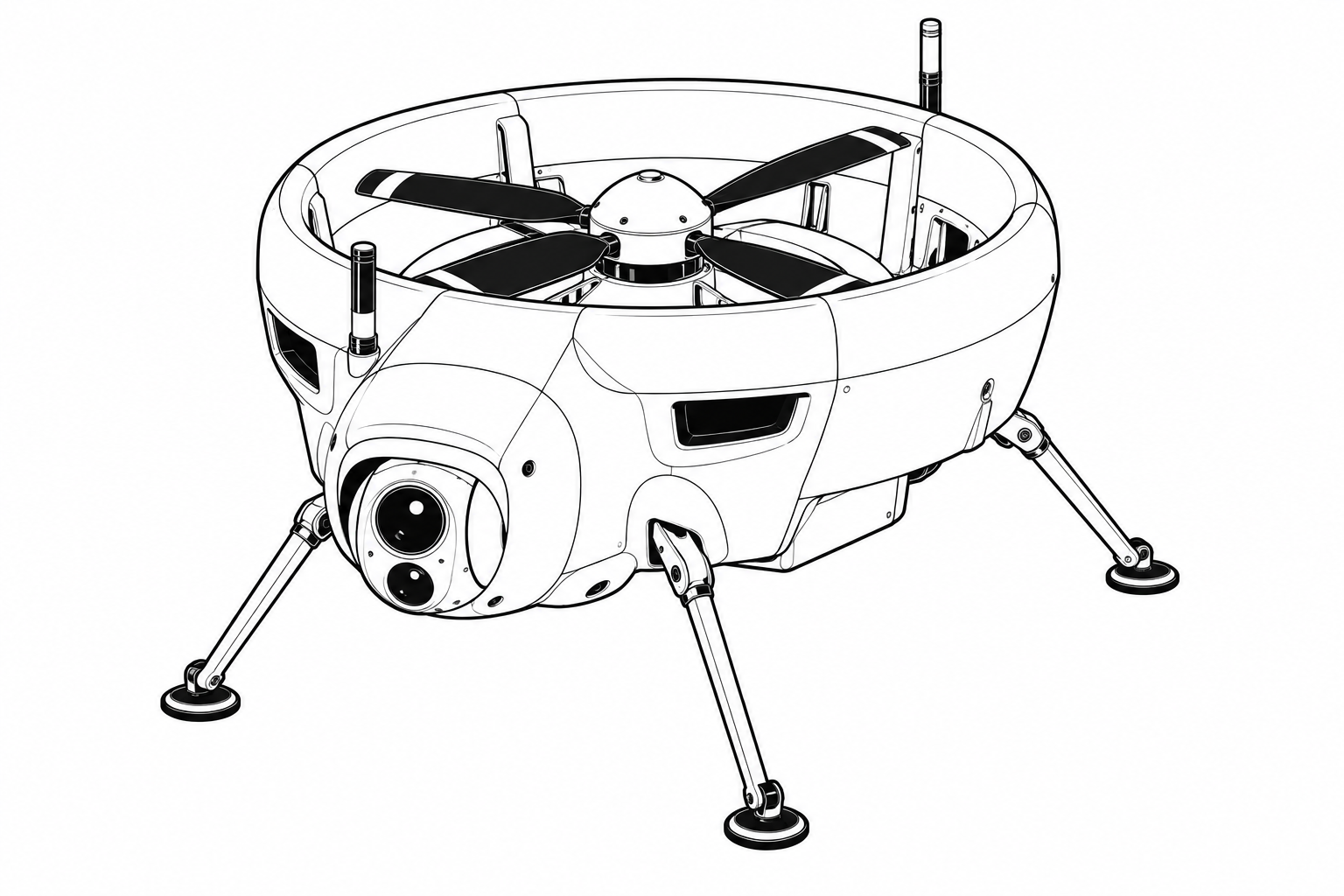
RQ-16 T-Hawk overview
RQ-16 T-Hawk is a ducted-fan micro air vehicle developed by Honeywell for close reconnaissance and inspection. Its enclosed rotor permits vertical takeoff and hovering in confined spaces where a fixed-wing aircraft cannot operate.
The system was designed for electro-optical and related sensing missions, including route inspection and explosive-ordnance support. Public specifications vary by configuration and period; current dimensions, endurance, control-link limits, and sensor fit are Not publicly disclosed as one universal set.
T-Hawk gained visibility through U.S. military and hazardous-site inspection work, including operations in Iraq. Those historical reports demonstrate the concept's utility but do not establish current fleet size or continuing frontline deployment.
Through September 2026, RQ-16 remains historically significant as an early operational ducted-fan reconnaissance UAV, while present operator and production status are not fully public. The supplied illustration is interpretative.
Armament
No confirmed weapon; electro-optical and inspection payloads
Development and operational timeline
- T-Hawk enters public view as a ducted-fan micro-UAV for vertical inspection missions
- U.S. military evaluations and field reporting associate T-Hawk with hazardous-site reconnaissance
- Operational reporting highlights the value and limitations of small hovering inspection UAVs in Iraq
- RQ-16 T-Hawk remains a historically significant ducted-fan UAV; current production and operator status are not fully public