Air system · MALE
KUS-VH
ISR / Reconnaissance
Also known as: KUS-VH / Mukhwa / Korean VTOL UAS
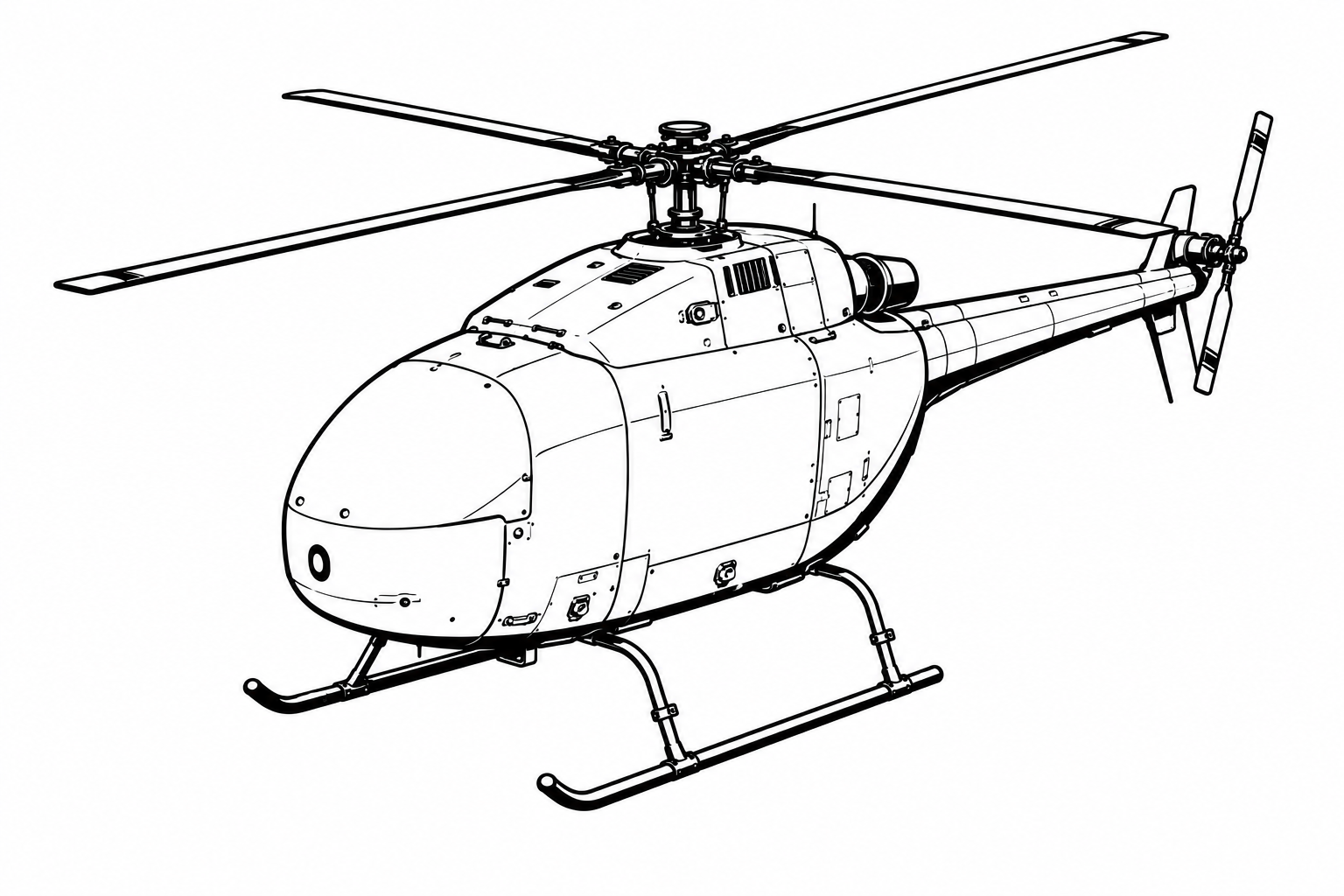
KUS-VH overview
The KUS-VH (Korean Unmanned System - Vertical Takeoff and Horizontal flight) is a tiltrotor unmanned aerial vehicle developed by Korea Aerospace Industries (KAI) for the Republic of Korea Armed Forces. The KUS-VH combines helicopter-like vertical takeoff and landing capability with the speed and efficiency of a fixed-wing aircraft through its tiltrotor propulsion system. The aircraft has a maximum takeoff weight of approximately 210 kg and endurance of over 6 hours, providing tactical ISR at ranges beyond conventional rotary-wing platforms.
The KUS-VH program is part of South Korea's broader effort to develop advanced domestic UAV capabilities in response to the North Korean threat. As of 2025, the system has undergone flight testing and is expected to enter service with the South Korean military for maritime surveillance and ground force support. The platform can operate from confined areas including naval vessels, making it suitable for South Korea's island defense requirements. Its significance lies in South Korea's growing domestic defense industry capability and the increasing importance of VTOL UAS platforms that can operate without runways in the Indo-Pacific military landscape.
Armament
None (reconnaissance only)
Development and operational timeline
- KAI initiates KUS-VH tiltrotor UAS development program
- KUS-VH completes first transition from vertical to horizontal flight
- Initial flight testing validates tiltrotor concept performance
- KUS-VH demonstrates maritime operations from naval vessel
- South Korean military plans operational deployment timeline