Air ·
US Forces Remain in Middle East Amid Ongoing Tensions
Despite a ceasefire with Iran, US military presence in the Middle East is set to continue, emphasizing the strategic importance of unmanned systems in the region.
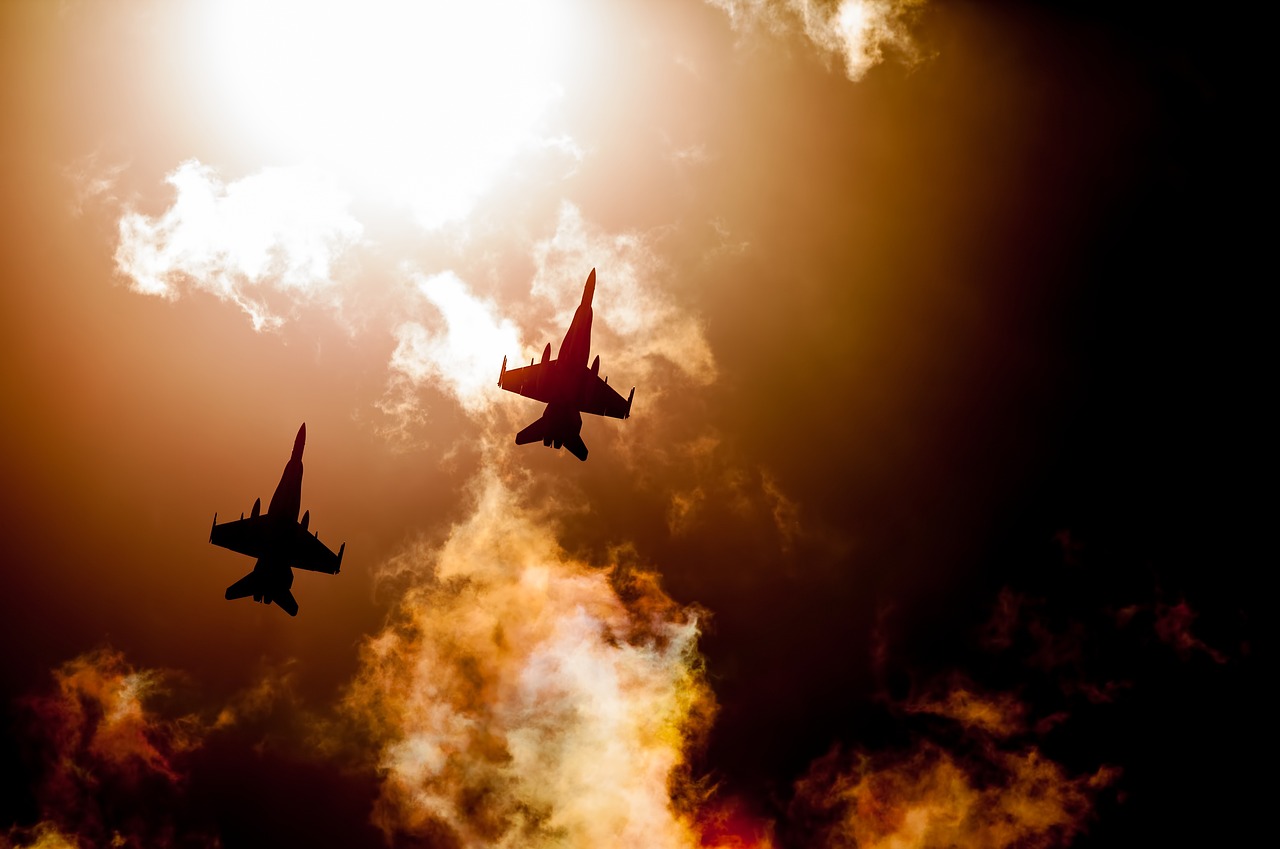
The recent ceasefire agreement between the United States and Iran has not led to a significant reduction in U.S. military presence in the Middle East. According to military officials, U.S. forces will continue to operate in the region, a move that underscores the strategic necessity of deploying unmanned aerial vehicles (UAVs) to maintain surveillance and deterrence capabilities. This decision reflects the complex geopolitical landscape, where tensions with Iran remain high despite the cessation of direct hostilities.
Military drones, such as the MQ-9 Reaper and MQ-4C Triton, play a crucial role in gathering intelligence and conducting reconnaissance missions. Their ability to operate in contested environments allows U.S. forces to monitor Iranian activities and movements, particularly in sensitive areas like the Strait of Hormuz. As the U.S. military adapts to the evolving threats posed by Iran, the reliance on UAVs for long-range strike capabilities and persistent ISR (Intelligence, Surveillance, and Reconnaissance) has become increasingly pronounced.
The deployment of drones also serves to reassure allied nations in the region, enhancing collective security against potential Iranian aggression. With the U.S. military's air campaign having taken a toll on Iran's military infrastructure, the presence of UAVs can act as a deterrent against further escalation. Additionally, these unmanned systems enable rapid response capabilities, which are essential for addressing any emerging threats or provocations from Iranian forces.
Furthermore, as the U.S. seeks to maintain its strategic advantage, the integration of advanced drone technology will be pivotal. Innovations such as artificial intelligence and enhanced sensor capabilities are expected to enhance the effectiveness of UAVs in the region. The ongoing development of drone swarm tactics, where multiple UAVs work in coordination, could also provide a significant edge in future conflicts against adversaries like Iran, which may rely on asymmetric warfare strategies.
In summary, the continuation of U.S. forces in the Middle East, even after a ceasefire with Iran, highlights the essential role of unmanned systems in modern military operations. As tensions persist, the U.S. military's commitment to leveraging advanced drone technology will likely shape the dynamics of the region, ensuring that it remains prepared for any potential challenges that may arise.