Air ·
US Army Creates Robotics Technician Role to Enhance Drone Warfare Capabilities
The U.S. Army has established a new position focused on integrating autonomous systems into military operations, highlighting the growing importance of drones in modern warfare.
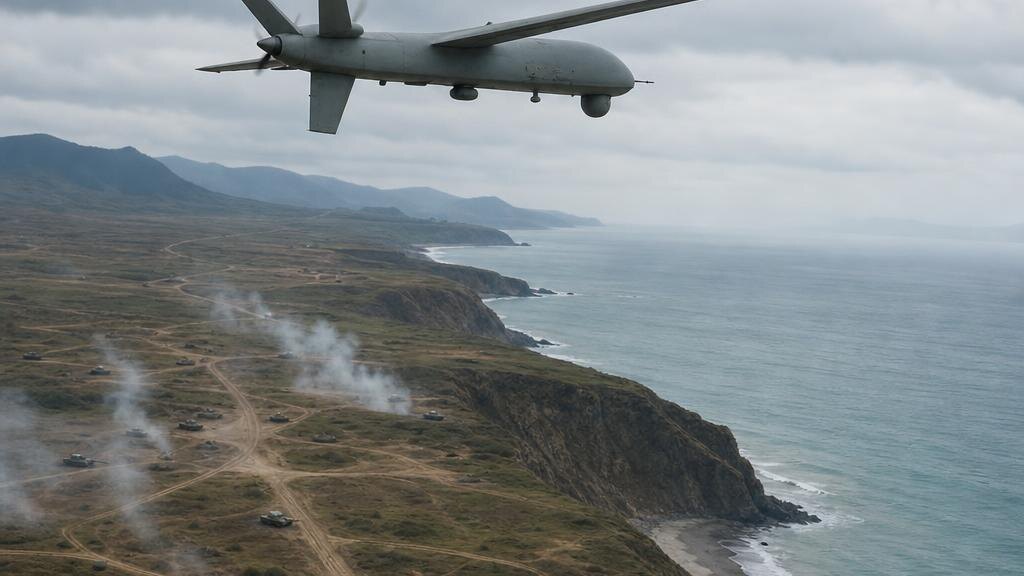
In a significant move reflecting the evolving landscape of military operations, the U.S. Army has announced the creation of a new job role dedicated to robotics technicians tasked with enhancing drone warfare capabilities. This initiative underscores the Army's commitment to integrating autonomous systems into its operational framework, allowing for more sophisticated and effective use of unmanned aerial vehicles (UAVs) in combat scenarios. The establishment of this position is indicative of a broader recognition within the military that the future of warfare will increasingly rely on advanced technologies that can operate independently or with minimal human intervention.
The newly appointed robotics technicians will serve as advisors to commanders, providing expertise on the deployment and operational use of autonomous systems. This development is particularly relevant as the U.S. military increasingly recognizes the strategic advantages that UAVs offer, including increased reconnaissance capabilities, precision strikes, and reduced risk to personnel. The role aims to bridge the gap between technology and battlefield application, ensuring that commanders are well-equipped to leverage these cutting-edge systems effectively. By having dedicated personnel focused on robotics, the Army is positioning itself to maximize the potential of its drone fleet in a variety of operational contexts.
Historically, the integration of drones into military operations has transformed how conflicts are conducted. UAVs like the MQ-9 Reaper and the RQ-4 Global Hawk have demonstrated their value in surveillance, intelligence gathering, and targeted strikes, often operating in environments where manned aircraft cannot safely venture. As warfare becomes more complex, the need for specialized personnel who understand both the technical and tactical aspects of these systems is paramount. The introduction of robotics technicians is not merely about enhancing existing capabilities; it reflects a broader shift towards autonomous warfare, where the ability to deploy drones effectively can be a decisive factor in military engagements.
The Army's initiative to create this role is part of a larger strategy to streamline operations and increase the effectiveness of its forces through automation and advanced technologies. This strategic pivot is also indicative of a recognition that future conflicts will likely see a greater reliance on unmanned systems, necessitating a workforce that is proficient in these technologies. The integration of robotics technicians into military operations can facilitate faster decision-making processes, as commanders will have immediate access to experts who can provide insights into the capabilities and limitations of the drones at their disposal.
Despite the clear benefits, the adoption of robotics technicians and increased reliance on drones come with challenges. There are concerns regarding the reliability of autonomous systems in dynamic combat environments, where unpredictable variables can affect mission outcomes. For instance, factors such as weather conditions, electronic warfare, and enemy countermeasures can significantly impact the performance of UAVs. Additionally, ethical considerations surrounding the use of drones for combat operations continue to provoke debate among military leaders, policymakers, and the public. The Army will need to address these concerns while ensuring that its personnel are adequately trained and prepared for the complexities of modern warfare, including the moral implications of using autonomous systems in lethal operations.
Furthermore, as the U.S. Army enhances its focus on drone warfare, it is also competing with other nations that are rapidly advancing their own UAV capabilities. Countries such as China and Russia have made significant strides in drone technology, developing systems that can operate in contested environments and employ advanced tactics. This competition will likely drive further innovation and investment in drone technology and related training programs within the U.S. military. The Army's establishment of the robotics technician role is a proactive measure to maintain technological superiority and ensure that American forces can effectively counter emerging threats posed by adversaries who are also investing heavily in autonomous warfare capabilities.
The establishment of the robotics technician role also raises questions about the future of military training and education. As the Army incorporates more advanced technologies, it will need to adapt its training programs to ensure that soldiers are equipped not only with traditional combat skills but also with the technical expertise required to operate and maintain UAVs effectively. This evolution in training will be critical to maintaining a competitive edge in drone warfare. The Army may need to collaborate with educational institutions and technology companies to develop comprehensive training modules that encompass both the theoretical and practical aspects of drone operations.
Moreover, the role of robotics technicians could evolve over time as technology advances. As artificial intelligence (AI) and machine learning continue to develop, the capabilities of UAVs will likely expand, necessitating ongoing education and adaptation for those in this role. The Army will need to ensure that its technicians are not only adept at operating current systems but are also prepared to work with future innovations that may change the nature of drone warfare. This forward-thinking approach will be essential for the Army to remain agile and responsive to the rapidly changing landscape of military technology.
In conclusion, the creation of a robotics technician role within the U.S. Army marks a significant step towards integrating autonomous systems into military operations. This initiative not only enhances the operational capabilities of the Army but also reflects a broader trend towards automation in warfare. As the Army navigates the challenges and opportunities presented by this shift, it will be essential to ensure that personnel are adequately trained and prepared to leverage these technologies effectively in future conflicts. The establishment of this position is a clear indication that the U.S. Army is committed to evolving its approach to warfare in an era where technology plays an increasingly critical role.