Air ·
U.S. Navy Tests New Tool for Autonomous Jet Mission Planning
The U.S. Navy's recent demonstration of a new mission planning system for autonomous combat aircraft marks a significant step towards integrating unmanned systems into its operational framework.
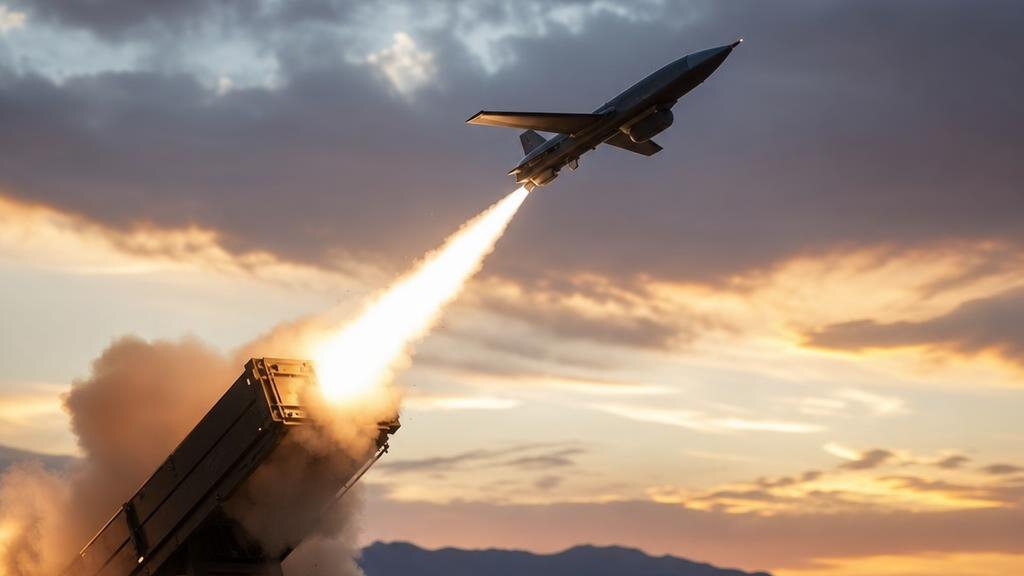
The U.S. Navy has recently taken a significant stride in enhancing its operational capabilities by testing a new system designed for planning and controlling autonomous combat aircraft. This demonstration took place during Gray Flag 2026, a large-force test event held at Point Mugu Sea Range in California. The system, known as Collaborative Autonomy Mission Planning (CAMP), aims to streamline the integration and deployment of unmanned aerial vehicles (UAVs) in complex combat scenarios.
The testing involved the use of a General Atomics MQ-20 Avenger, which acted as a surrogate for various autonomous combat aircraft. The demonstration showcased how CAMP could facilitate mission planning and execution, allowing for more efficient and effective use of unmanned systems in naval operations. This initiative is part of the Navy's broader effort to incorporate advanced technology into its operational framework, reflecting an increasing reliance on unmanned systems to enhance mission effectiveness.
CAMP represents a critical development in the Navy's strategy to leverage unmanned systems for missions traditionally handled by manned aircraft. The integration of autonomous jets into naval operations could provide numerous advantages, including reduced risk to human pilots, increased operational flexibility, and the ability to conduct missions in contested environments where manned aircraft might be at a disadvantage. By utilizing autonomous systems, the Navy can potentially conduct operations with fewer personnel, thereby optimizing resource allocation and minimizing human exposure to danger.
Historically, the U.S. Navy has been at the forefront of integrating UAVs into its operations. The introduction of systems like the MQ-20 Avenger, which is designed for persistent strike and reconnaissance missions, underscores the Navy's commitment to modernizing its fleet. The capability to autonomously plan missions could significantly enhance the effectiveness of these UAVs, allowing them to operate in conjunction with other naval assets seamlessly. This integration is pivotal as it aligns with the Navy's shift towards a more networked and integrated battle force.
However, the transition to fully autonomous operations is not without its challenges. The Navy must address several technical and operational hurdles, including ensuring the reliability of autonomous systems in dynamic combat environments and developing robust command and control mechanisms that can effectively manage unmanned assets. Additionally, there are concerns regarding cybersecurity and the potential for adversaries to exploit vulnerabilities in autonomous systems. As these technologies become more prevalent, the Navy must also consider the implications of electronic warfare and countermeasures that could disrupt autonomous operations.
The strategic significance of CAMP and similar initiatives cannot be overstated. As global threats evolve and adversaries increasingly employ sophisticated technologies, the Navy's ability to maintain a technological edge is paramount. The integration of autonomous systems into naval operations allows for more agile and responsive force structures, which are essential for maintaining deterrence and conducting effective operations across the spectrum of conflict. This capability is especially relevant in the context of great power competition, where rapid technological advancements can shift the balance of power.
Moreover, the use of autonomous jets could free up manned aircraft for more complex tasks, allowing for a more efficient allocation of resources. This operational flexibility is particularly crucial in scenarios where rapid response times and adaptability are necessary, such as in maritime conflict zones or during humanitarian missions. By deploying UAVs for routine surveillance or logistical tasks, the Navy can ensure that its manned assets are available for high-stakes operations that require human judgment and expertise.
Despite the promising developments associated with CAMP, several questions remain unresolved. The Navy's commitment to expanding its unmanned capabilities raises inquiries about the future role of manned aircraft in naval operations and how the integration of autonomous systems will affect pilot training and operational doctrine. Furthermore, the implications of widespread autonomous operations on international military norms and engagements will require careful consideration. As nations adapt to the evolving nature of warfare, the establishment of clear guidelines governing the use of autonomous systems will be crucial to prevent unintended escalations.
In conclusion, the U.S. Navy's testing of the Collaborative Autonomy Mission Planning system represents a crucial advancement in the integration of unmanned systems into naval warfare. As these technologies continue to evolve, they have the potential to redefine the landscape of military operations, offering new opportunities and challenges for the Navy and its partners in global security. The ongoing development and refinement of systems like CAMP will likely play a pivotal role in shaping the future of naval operations, emphasizing the need for continuous innovation and adaptation in an increasingly complex security environment.