Air ·
U.S. Navy Develops Next-Generation Aerial Torpedo for Enhanced Standoff Capabilities
The U.S. Navy is advancing its aerial warfare capabilities with the development of a new standoff torpedo designed for use with carrier-based aircraft and drones.
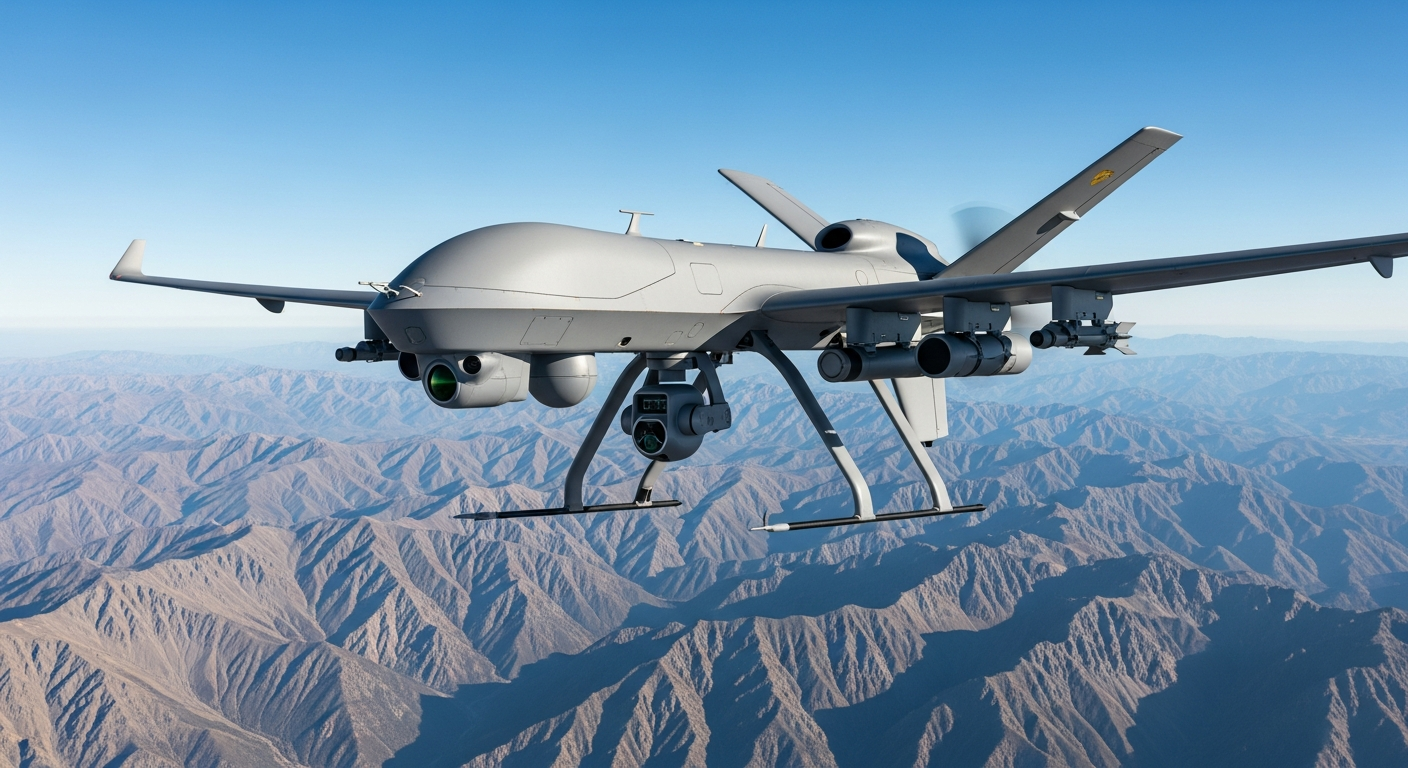
The U.S. Navy is taking a significant step forward in aerial warfare by initiating the development of a next-generation standoff aerial torpedo, named the Silent Anvil Air-Launched Torpedo (SAA-LT). This new weapon system aims to enhance the lethality and standoff capabilities of carrier-based aircraft and drones, allowing for more effective engagement of surface and subsurface targets from a safe distance.
The SAA-LT is expected to integrate advanced guidance and targeting technologies, which will allow it to accurately strike enemy vessels while minimizing the risk to the launching aircraft. This capability is crucial as naval warfare increasingly relies on precision strikes and standoff engagements to counter threats without exposing aircraft to enemy defenses.
With the increasing proliferation of naval forces in contested regions, the ability to launch torpedoes from a distance offers operational advantages. Carrier-based drones, such as the MQ-25 Stingray, may play a vital role in this new strategy, extending the reach of naval aviation and providing support for surface combatants, particularly in areas with high anti-access/area denial (A2/AD) capabilities.
Moreover, the development of the Silent Anvil reflects a broader trend within the U.S. military to leverage unmanned systems for enhancing operational effectiveness. As adversaries invest in advanced maritime technologies, the Navy's focus on integrating new weapon systems with unmanned platforms highlights a strategic shift towards multi-domain operations, where air, land, and sea forces collaborate seamlessly.
In summary, the U.S. Navy’s initiative to develop the Silent Anvil Air-Launched Torpedo underscores its commitment to maintaining maritime superiority in a rapidly evolving threat landscape. As this program progresses, it will likely reshape the Navy's operational framework and enhance its deterrence capabilities in critical regions worldwide.