Air ·
U.S. Fighter Jet Downed Over Iran: Impacts on Drone Operations
The downing of a U.S. F-15E fighter jet over Iran raises significant concerns for aerial operations, including drone support.
The recent downing of a U.S. Air Force F-15E fighter jet over Iranian territory has sparked urgent discussions regarding the safety and efficacy of aerial operations in hostile environments. This incident marks a critical moment in the ongoing conflict, as it is reportedly the first time a manned American aircraft has been shot down during Operation Epic Fury. The implications for drone operations, which often support manned missions, are profound and multifaceted.
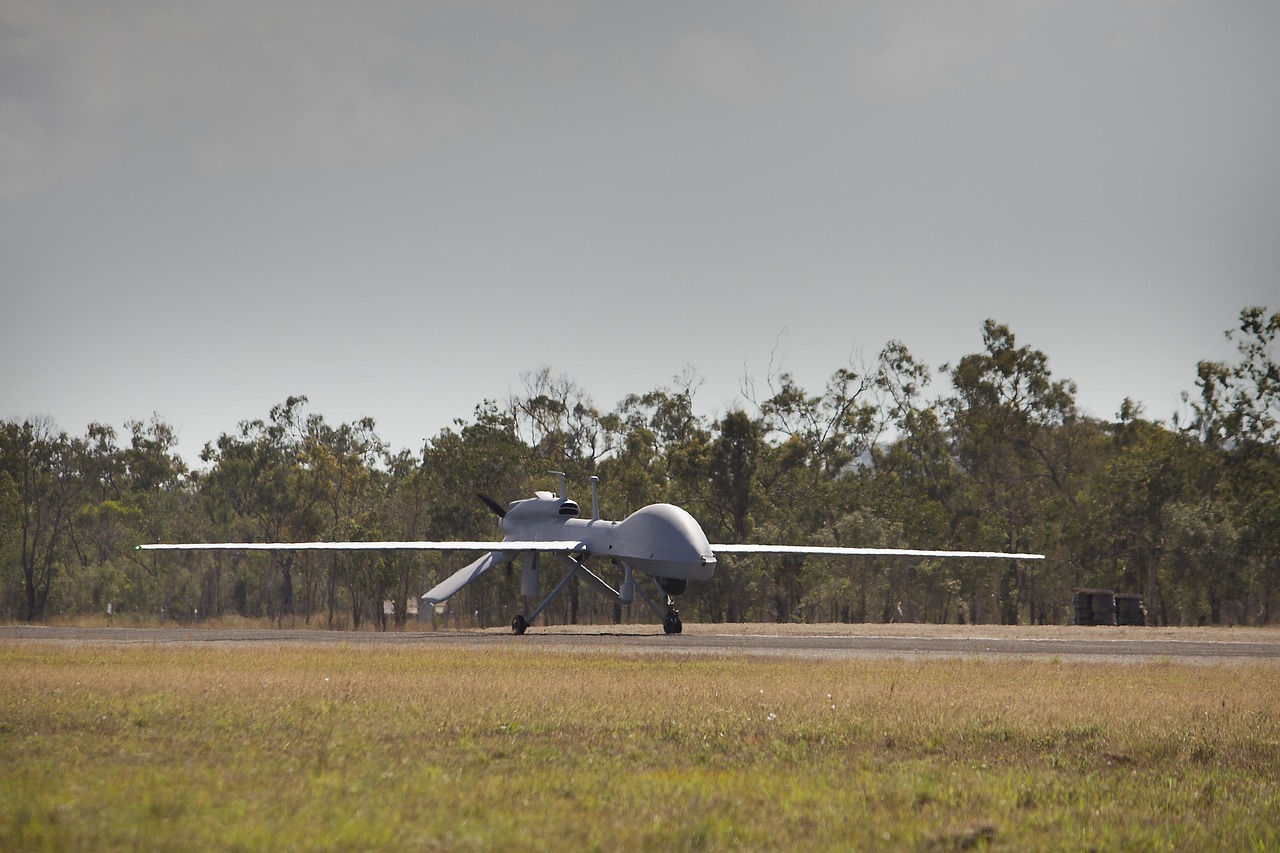
As the U.S. military continues to engage in operations over Iran, the role of unmanned aerial vehicles (UAVs) will become increasingly crucial. Drones such as the MQ-9 Reaper are already integral to surveillance and reconnaissance missions, providing real-time intelligence to inform strike decisions. However, the heightened risk of manned aircraft being targeted necessitates a reevaluation of how drones are deployed in such high-threat environments, potentially shifting the focus toward more extensive drone utilization.
The downing of the F-15E underlines the need for enhanced counter-drone measures as adversaries develop capabilities to target both manned and unmanned platforms. This scenario may lead to the accelerated development and deployment of advanced UAVs equipped with electronic warfare capabilities that can disrupt enemy systems and protect allied aircraft. Furthermore, integrating drones with enhanced defensive systems could mitigate risks associated with manned flight in contested areas.
As the conflict evolves, the strategic use of drones will likely expand, with operations increasingly relying on these unmanned systems to carry out missions that would previously require manned aircraft. The ability to conduct strikes, gather intelligence, and support ground forces without risking pilots could redefine operational tactics. This shift not only enhances safety but also allows for greater operational flexibility in hostile environments.
Ultimately, the events surrounding the downed F-15E will prompt military planners to reassess the framework for air operations in Iran and potentially across other theaters of conflict. As drone technology continues to advance, the U.S. may find itself leaning more heavily on these systems to minimize risks while maintaining decisive airpower capabilities.