Air ·
U.S. Army General Highlights Importance of Drone Training Amid Operational Demands
General Christopher LaNeve warns that shortcuts in drone training could lead to severe consequences for the U.S. Army.
General Christopher LaNeve, the acting chief of staff for the U.S. Army, has issued a stark warning regarding the importance of comprehensive training for drone operations. In his strategic vision statement, 'The Army Azimuth', LaNeve emphasizes that cutting corners in training can lead not only to operational failures but also to loss of life. This message comes at a time when the Army is increasingly reliant on unmanned aerial vehicles (UAVs) for reconnaissance, surveillance, and combat support in various theaters of operation.
The rapid integration of drones into military operations has transformed the battlefield dynamics, making it essential for personnel to be thoroughly trained in operating these sophisticated systems. LaNeve's comments highlight concerns that the accelerated pace of technological advancement may outstrip the training capabilities of the force. As drones evolve, so too must the strategies and tactics employed by Army personnel to effectively utilize these tools in combat scenarios.
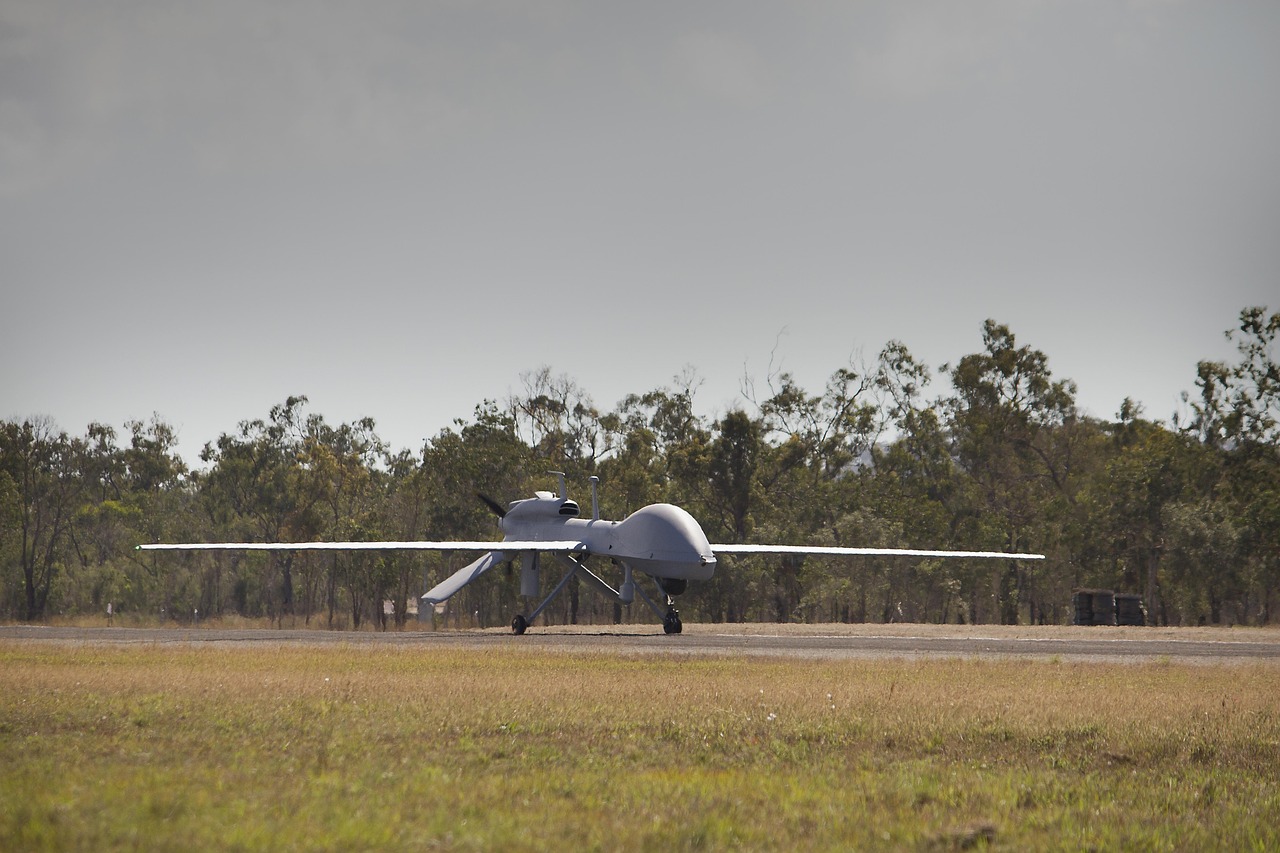
Drones such as the MQ-1C Gray Eagle and the MQ-9 Reaper have become essential components of modern warfare, enabling forces to conduct missions with reduced risk to personnel. However, operating these systems requires a high level of skill and knowledge to maximize their capabilities and minimize the potential for mishaps. The general's call for enhanced training is a reminder that the integration of technology must be matched with rigorous preparation and practice.
Furthermore, the U.S. Army's drone training programs must adapt to the complexities of contemporary conflict environments, where UAVs are often deployed alongside manned systems. Gen. LaNeve's emphasis on the need for dedicated training resources reflects a broader recognition within the military that operational success hinges on the proficiency and readiness of its personnel. As the Army navigates these challenges, it must balance the urgency of operational needs with the imperative for thorough training.
Ultimately, General LaNeve's warning serves as a crucial reminder that the effective use of drones in military operations depends on well-trained operators who can leverage the technology to its fullest potential. The Army must commit to investing in training that ensures personnel are equipped to handle the demands of modern warfare, thereby safeguarding both lives and mission success.