Air system · Tactical Reconnaissance / Strike Designator Drone
Ghost-X
Reconnaissance / Target Acquisition / Bolt-M Fire Control
Also known as: Ghost X / Anduril scout drone / Lattice hunter drone
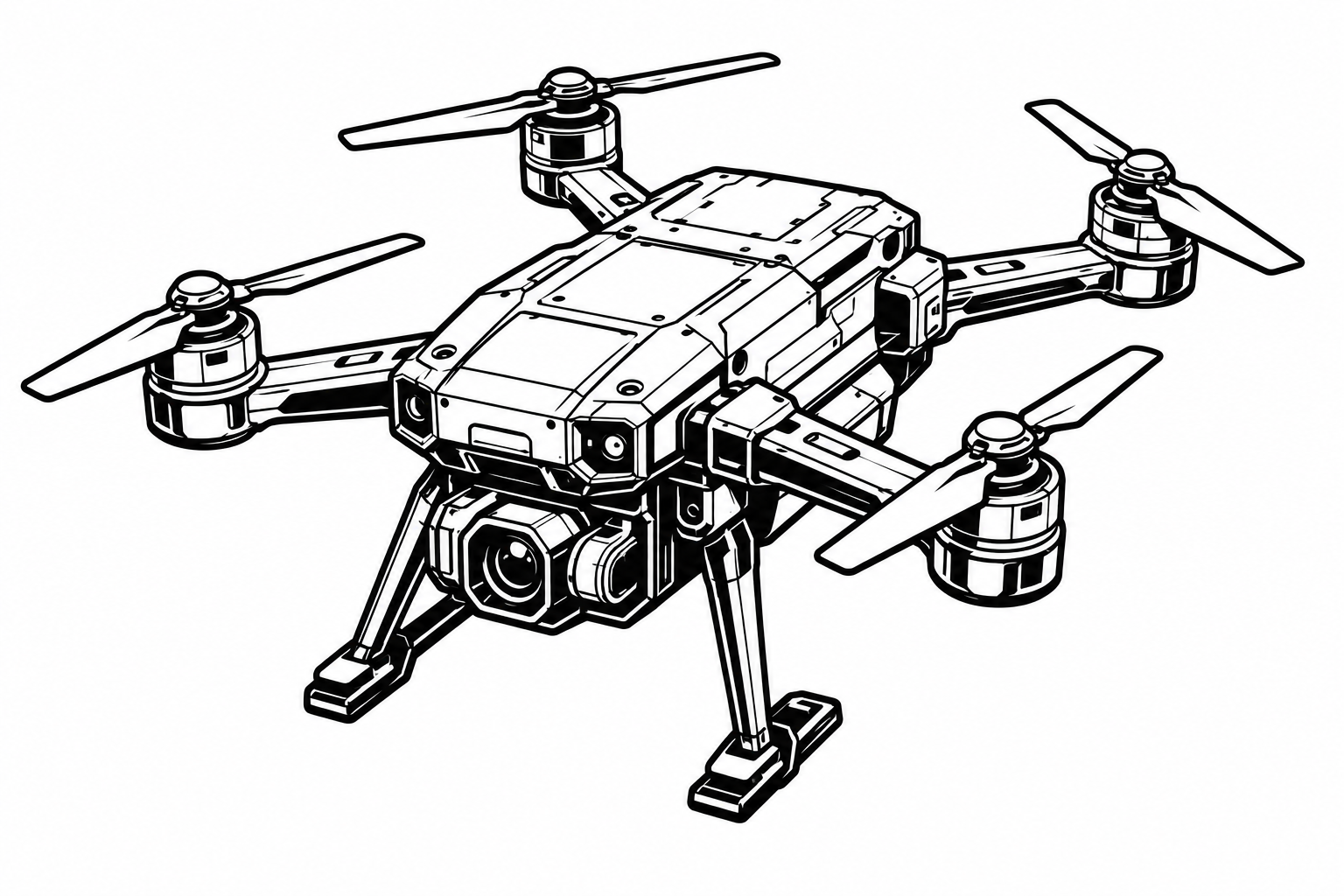
Ghost-X overview
The Ghost-X is Anduril Industries' compact quadcopter reconnaissance system designed to be the sensing and targeting element in an autonomous 'hunt and strike' team with the Bolt-M loitering munition. Running Anduril's Lattice AI autonomy software, Ghost-X can be launched by a single operator and begin autonomously searching a defined area for targets — using its EO/IR sensor array and AI classification algorithms to identify vehicles, crew-served weapons emplacements, and personnel without requiring constant human direction. When a target is identified and classified, the system prompts the human operator for engagement authorization, then cues Bolt-M for the strike.
The human-on-the-loop design is central to Anduril's approach and to Pentagon requirements for autonomous lethal systems. The operator retains final say on each engagement — but is relieved of the cognitive burden of simultaneously flying the aircraft, searching for targets, and managing the attack. This division of labor between autonomous search and human authorization is intended to dramatically increase the throughput of a single operator, theoretically allowing one soldier to manage multiple simultaneous Ghost-X/Bolt-M teams across a wide area. In exercises, this concept has shown promising results in rapidly clearing enemy positions faster than conventionally-controlled drones.
The Ghost-X has been evaluated by the U.S. Marine Corps alongside the Bolt-M as a paired system, and both platforms were progressing toward production contracting through 2025-2026. Its small size — comparable to a commercial photography drone — makes it man-portable and reduces logistical overhead to a level compatible with dismounted infantry operations. Anduril has continued to iterate Ghost-X software through field exercises, improving its ability to operate in electronically contested environments where commercial quadcopters typically fail.
Armament
None (designator/reconnaissance role); cues Bolt-M loitering munition for strike
Development and operational timeline
- Ghost-X development initiated as autonomous reconnaissance element for Bolt-M teaming concept
- Ghost-X prototype first flights; Lattice AI target detection and classification software validated
- Ghost-X / Bolt-M first autonomous teaming test: Ghost-X detects target, cues Bolt-M engagement autonomously
- GPS-denied autonomous navigation demonstrated; Ghost-X operates using visual odometry in jammed environment
- USMC field evaluation at Twentynine Palms; Ghost-X integrated with Marine infantry company operations
- Multi-team concept demonstrated: single operator supervises two Ghost-X / Bolt-M teams simultaneously
- Ghost-X software update improves target classification accuracy; reduces false-positive rate in complex terrain
- Joint USMC/Army exercise at Fort Bragg; Ghost-X demonstrated to SOCOM evaluators
- Ghost-X production qualification testing begins concurrent with Bolt-M production contract award
- USMC issues notice of intent to procure Ghost-X alongside Bolt-M as a paired system; international allied briefings ongoing