Air system · Long-Range Strike UAV
Garpiya-A1
Deep Strike / Infrastructure Attack / Precision Strike
Also known as: Garpiya / Harpiya / Russian long-range strike drone
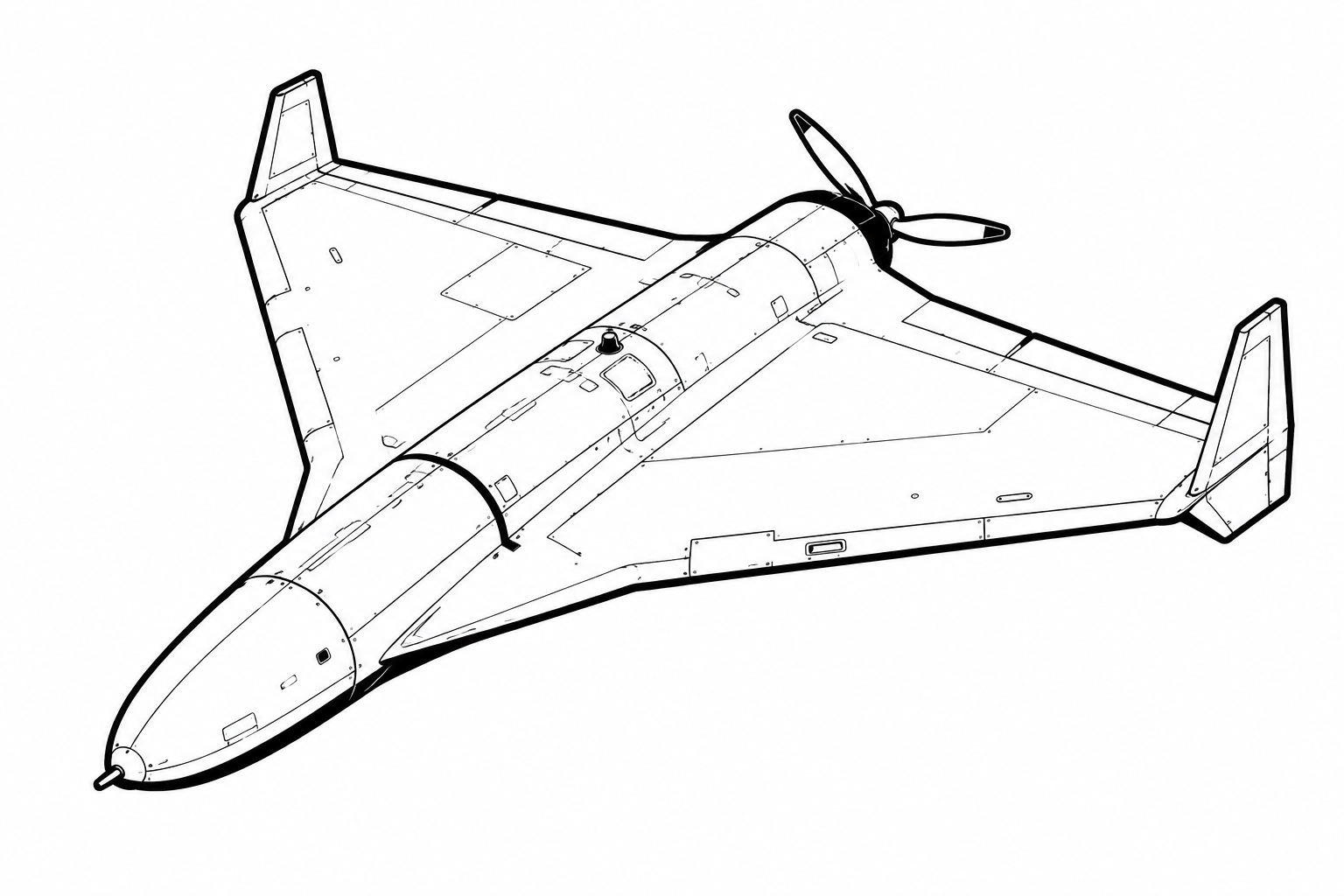
Garpiya-A1 overview
The Garpiya-A1 — known in Ukrainian as 'Harpiya' (Harpy) and in Russian military designation as the Garpiya or Gerbera series depending on source — is a Russian long-range strike UAV that emerged as one of the most concerning additions to Russia's drone arsenal through 2025-2026. Unlike the Shahed-136's relatively simple delta-wing configuration, the Garpiya uses a more aerodynamically refined design with a pusher propeller and conventional wing configuration that suggests greater engineering sophistication. Its capacity to fly complex terrain-following profiles that keep it below radar coverage for extended portions of its flight complicates air defense radar detection and significantly increases the timeline pressure on intercept systems.
Western intelligence assessments identified significant Chinese technological input into the Garpiya's design, noting similarities to Chinese commercial survey drone platforms that had been adapted for military purposes — a pattern consistent with Russia's broader strategy of leveraging Chinese commercial aerospace technology to circumvent Western sanctions on military components. The Chinese-origin design heritage also explained the Garpiya's higher reliability compared to other Russian programs that attempted to domesticate Western-origin technology under sanctions pressure.
Operationally, the Garpiya demonstrated a targeting preference for energy infrastructure — particularly high-voltage transformers, which are difficult to manufacture quickly and whose destruction degrades electricity supply for months or years. Ukrainian power system operators reported Garpiya strikes in 2025-2026 specifically targeting transmission substations that had been repaired following earlier Shahed attacks, suggesting a deliberate Russian strategy to attack the same nodes repeatedly to prevent permanent restoration. Western allies responded by accelerating delivery of transformer inventory and increasing air defense coverage of energy infrastructure, but the combination of Garpiya precision and Russian stockpiles created a sustained threat to Ukrainian power generation through 2026.
Armament
50 kg unitary or sub-munition warhead; GPS/GLONASS/INS terminal guidance with possible optical terminal seeker
Development and operational timeline
- Garpiya-A1 development confirmed; Russian MOD funds long-range precision strike drone program
- First flight tests; terrain-following navigation and long-range guidance validated
- Range testing completed; 1,000 km validated in controlled trial
- Western intelligence identifies Chinese design input; component supply chain traced through third countries
- First confirmed Garpiya strikes against Ukrainian energy infrastructure; transformer stations targeted
- Garpiya attack pattern analysis: repeated strikes on repaired transformer nodes identified
- Production ramp; estimated 50-100 Garpiya units per month manufactured at two Russian facilities
- Ukraine requests dedicated air defense assets against Garpiya; terrain-following profile challenges existing intercept systems
- Garpiya-A1 strikes intensify against power generation and rail electrical systems
- Garpiya-B variant with improved seeker reportedly in testing; enhanced terminal guidance against moving targets