Air system · FPV Strike Drone Platform
Firestorm
Precision Strike / Low-Cost Attritable Attack
Also known as: Firestorm FPV / US strike drone startup / American FPV strike platform
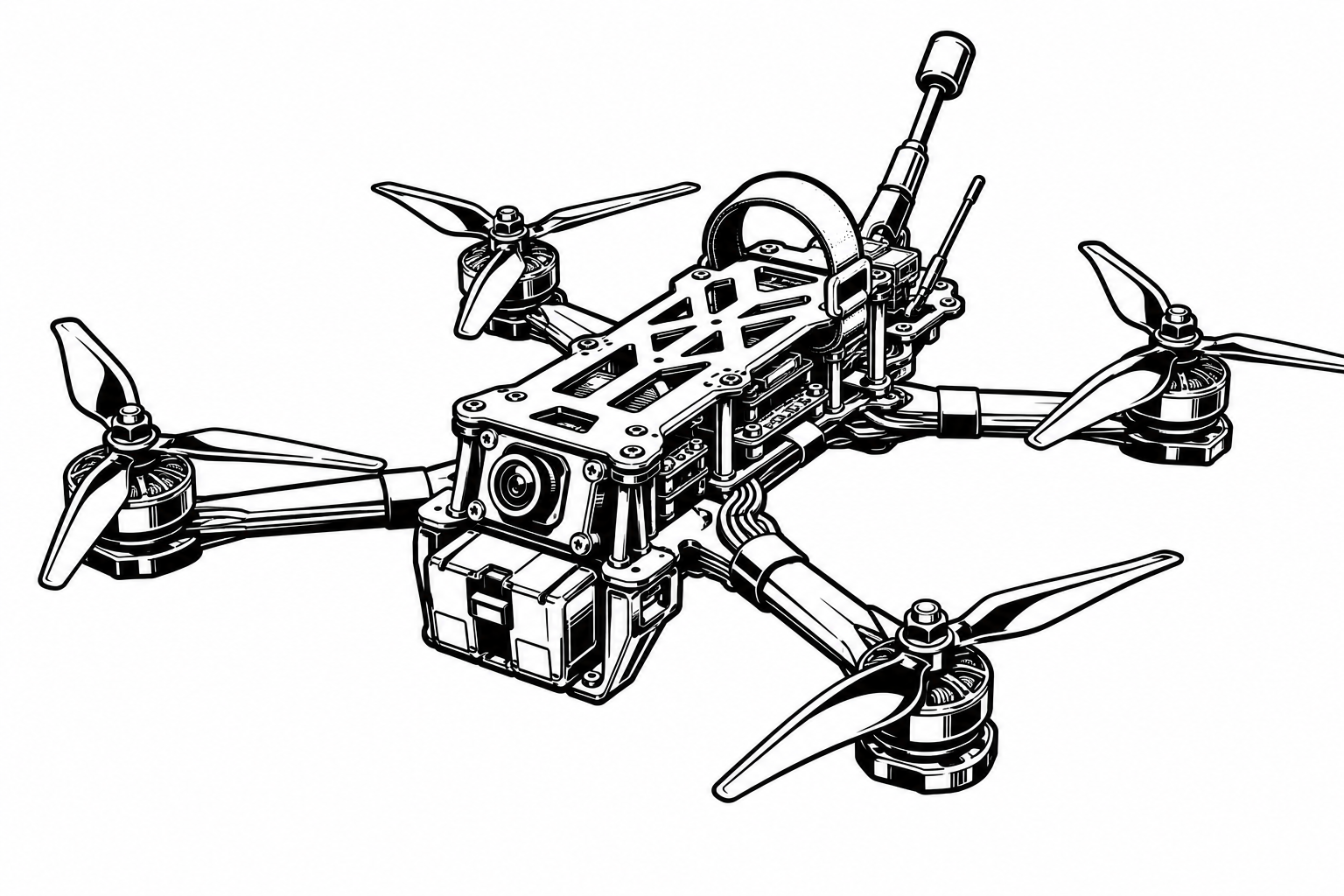
Firestorm overview
Firestorm emerged from the wave of U.S. defense startup investment that followed the revelation of how decisively FPV drones had transformed warfare in Ukraine. Venture capital funds that had tracked the conflict's drone economics — cheap one-way attack platforms inflicting casualties and destroying equipment worth orders of magnitude more per strike than the drone itself — recognized a structural market opportunity: the U.S. military urgently needed a domestic FPV strike drone industrial base and had no adequate suppliers. Firestorm positioned itself in this gap, building a manufacturing operation designed from the outset for the volume scale that military requirements demand rather than the artisanal production typical of defense development programs.
The Firestorm platform's design prioritizes manufacturability and logistics simplicity over cutting-edge performance. Rather than competing with the fastest or most sophisticated commercial racing drones, it focuses on consistent quality, predictable performance, and supply chain security. Components are sourced from U.S. and allied country manufacturers, even where this incurs cost premiums over Chinese alternatives. Assembly processes are designed for minimal skilled labor, enabling rapid scale-up without depending on specialized workforce availability that could bottleneck production in a surge scenario. The warhead selection prioritizes reliability and consistent target effect over maximum theoretical lethality.
Firestorm's 2026 procurement coverage highlighted it alongside Neros Archer as the leading candidates for large DoD FPV contracts, with the Pentagon deliberately splitting orders between multiple suppliers to build redundant production capacity rather than creating sole-source dependencies that a single factory disruption could eliminate. The company's manufacturing facility in an undisclosed domestic location was optimized for surge production — purpose-built with the equipment, processes, and supplier relationships needed to go from hundreds to thousands of units per month on demand. This surge capability, more than any technical specification advantage, was the primary differentiator Firestorm highlighted to government buyers.
Armament
Modular warhead: shaped-charge, fragmentation, or thermobaric; single-use strike profile
Development and operational timeline
- Firestorm founded by defense technology veterans; FPV strike drone platform development begins
- Firestorm prototype first flight; warhead integration and digital datalink validated
- DoD partnership program initiated; Firestorm receives SBIR funding for FPV domestic production development
- Manufacturing facility established; production line designed for surge capability from day one
- Army evaluation; Firestorm platform tested alongside Neros Archer and other FPV candidates
- Initial DoD purchase order for evaluation quantity; Firestorm delivers first production units
- EW resilience testing completed; Firestorm digital link maintains function through contested environment
- DoD announces strategy of multi-supplier FPV procurement; Firestorm named as one of selected suppliers
- Full-rate production contract awarded; manufacturing ramp begins at domestic facility
- First Firestorm units delivered to Army and Marine Corps units for operational training