Air system · FPV Strike Drone
Neros Archer
Precision Strike / Counter-Personnel / Anti-Armor
Also known as: Neros Archer FPV / US military FPV strike / Archer drone
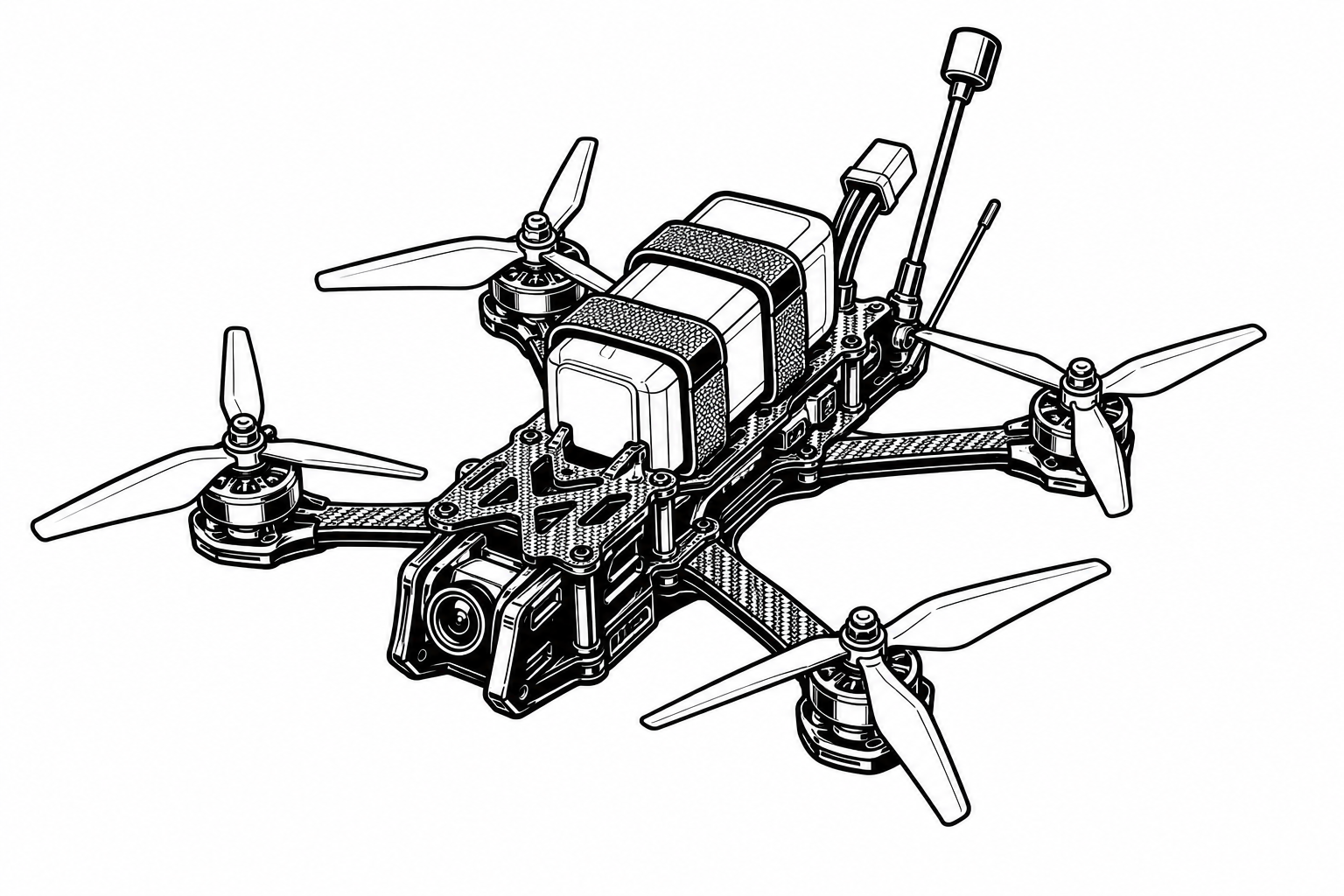
Neros Archer overview
The Neros Archer is a military FPV strike-drone product that Neros Technologies publicly markets as a U.S.-made alternative to commercial racing-drone assemblies. Neros presents the system in the context of lessons from Ukraine, where inexpensive FPV aircraft have been widely used for reconnaissance and one-way attack. The broader U.S. requirement for secure, non-Chinese small UAS is documented in federal procurement restrictions and defense-industry statements, but those general requirements do not establish Archer's adoption by a particular service.
Neros product descriptions say that Archer uses an encrypted digital control link and components selected to meet relevant U.S. supply-chain requirements. The company also describes an integrated military payload rather than an improvised commercial payload. These are manufacturer descriptions, not independent test results; public sources do not establish a universal range, resistance-to-jamming figure, warhead effect, or production configuration for every Archer aircraft.
The Department of Defense and congressional witnesses have publicly emphasized the need for resilient, attritable and mass-producible small drones, drawing on observations from Ukraine. Public procurement notices and official releases available for this profile do not, however, establish that Archer won a named Pentagon contract, entered low-rate production for the U.S. government, or was delivered to an operational unit. The distinction matters because an advertised product, a test article and a fielded weapon are different stages of a defense program.
Through 2026, the defensible update is that Neros continues to present Archer as a defense FPV option while its government adoption, quantities, testing results and combat use remain unconfirmed in publicly accessible official records. Claims about contract size, deliveries or fielding should therefore be attributed to a named announcement if they are reported later, rather than stated as established facts.
Armament
1.8 kg shaped-charge or fragmentation warhead; single-use kamikaze attack profile
Development and operational timeline
- Neros Technologies says it was founded and began developing Archer as a U.S. military FPV alternative
- Neros product material describes an Archer prototype with a digital control link and integrated payload
- Neros says Archer underwent electronic-warfare resilience testing; independent test data is not public
- Neros materials describe a demonstration for U.S. military users; an official service adoption announcement is not public
- Public product material continues to describe Archer for squad-level FPV missions; no public Army fielding order is identified here
- U.S. defense policy and congressional testimony continue to discuss domestic, resilient FPV production without publicly naming Archer as a selected system
- No independently verifiable public notice establishes an Archer production award or delivery to an operational unit
- Neros continues to market Archer; publicly available testimony does not establish Archer quantities or service status
- No official public release reviewed for this profile verifies the previously reported claim of a major Pentagon Archer contract
- Manufacturer updates continue to describe Archer's secure-link and domestic-supply-chain goals, without a verified production total
- Archer remains publicly documented as a Neros product; government fielding, deliveries and combat employment remain unconfirmed