Naval ·
Ukraine's Drone Forces Target Russian Naval Vessel in the Caspian Sea
Ukrainian drone operators successfully struck a Russian patrol boat in the Caspian Sea using the Fire Point FP-1 drone, marking a significant tactical achievement.
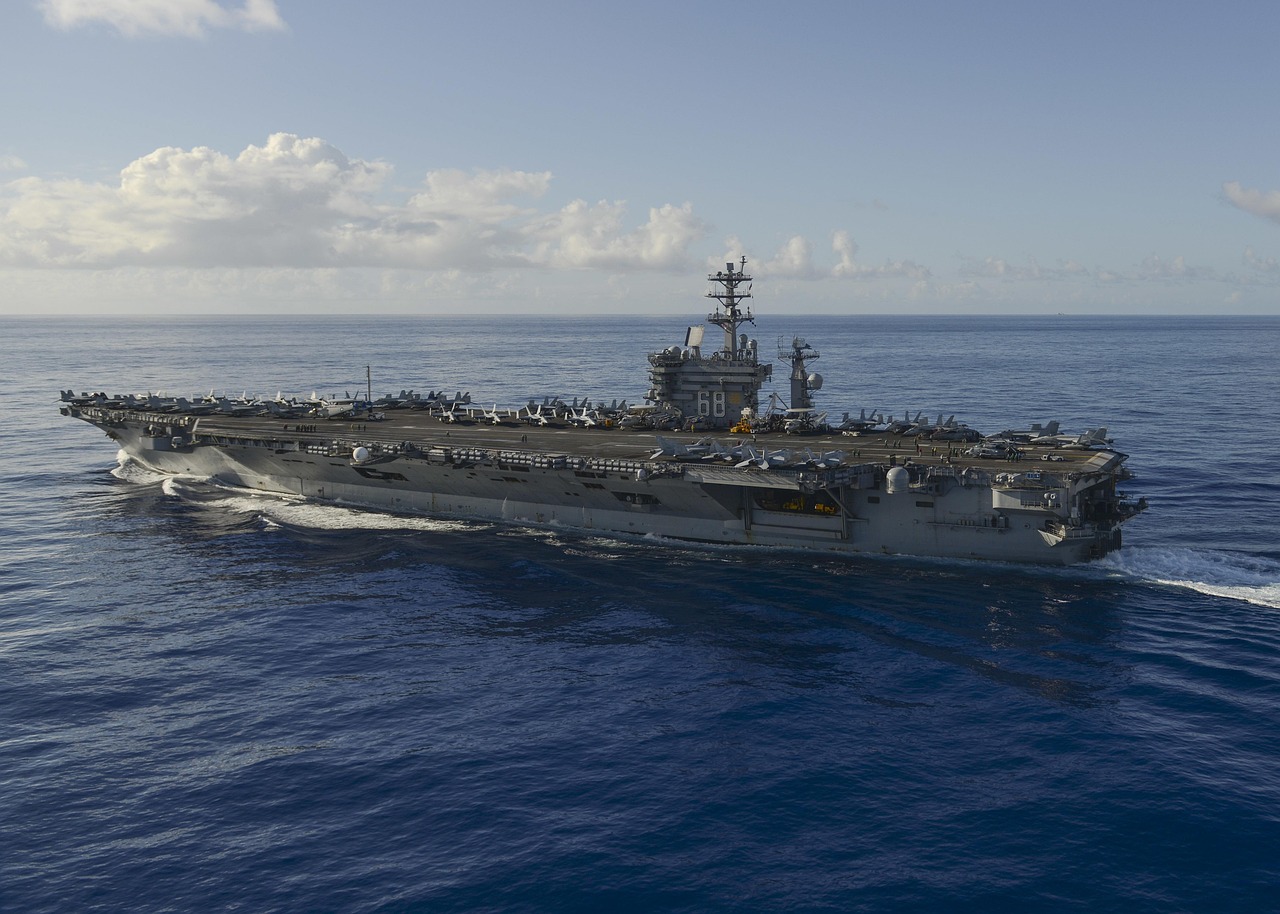
In a notable demonstration of its growing drone capabilities, Ukraine has once again targeted a Russian naval vessel in the Caspian Sea using a Fire Point FP-1 attack drone. This attack, which marks the third such operation in recent months, highlights Ukraine's emphasis on utilizing unmanned aerial systems to disrupt Russian naval operations and assert its maritime sovereignty. The footage released on May 17 showcased the FP-1’s precision in locating and striking the Project 10410 Svetlyak-class patrol boat, emphasizing the effectiveness of drone warfare in modern conflict.
The Fire Point FP-1 is an innovative unmanned aerial vehicle designed for strike missions, featuring advanced targeting systems that enhance its operational effectiveness against naval targets. This drone's ability to conduct attacks from a significant distance allows Ukrainian forces to engage enemy vessels without exposing their own assets to direct confrontation. Such capabilities are critical for Ukraine as it seeks to counterbalance Russian naval superiority in the region.
This latest incident underscores the shift in warfare dynamics where unmanned systems like the FP-1 are becoming increasingly integral to military strategies. The ongoing conflict has accelerated Ukraine's adoption of drone technology, allowing it to carry out precision strikes that can significantly impact enemy morale and operational capabilities. By employing drones effectively, Ukraine is demonstrating its adaptability and innovative approach to warfare amidst intense pressure from Russian forces.
The implications of this strike extend beyond immediate military outcomes; it also sends a clear message regarding Ukraine's resolve to defend its maritime interests. As Russia continues to assert control over strategic waters, Ukraine's drone operations serve as a vital tool in safeguarding its territorial integrity and deterring further aggression. The successful strike reinforces the necessity for advanced unmanned systems in contemporary military operations.
In conclusion, Ukraine's successful drone operations against Russian naval assets reflect a significant evolution in its military strategy, emphasizing the use of advanced unmanned systems to achieve tactical advantages. As the conflict continues, the role of drones like the Fire Point FP-1 will likely expand, shaping the future of warfare in the region.