Air ·
U.S. Navy's Ambitious Plans for a Carrier-Based Unmanned Fighter
The U.S. Navy is seeking innovative designs for a carrier-launched unmanned fighter, an initiative that reflects a strategic shift towards integrating drones into naval aviation operations.
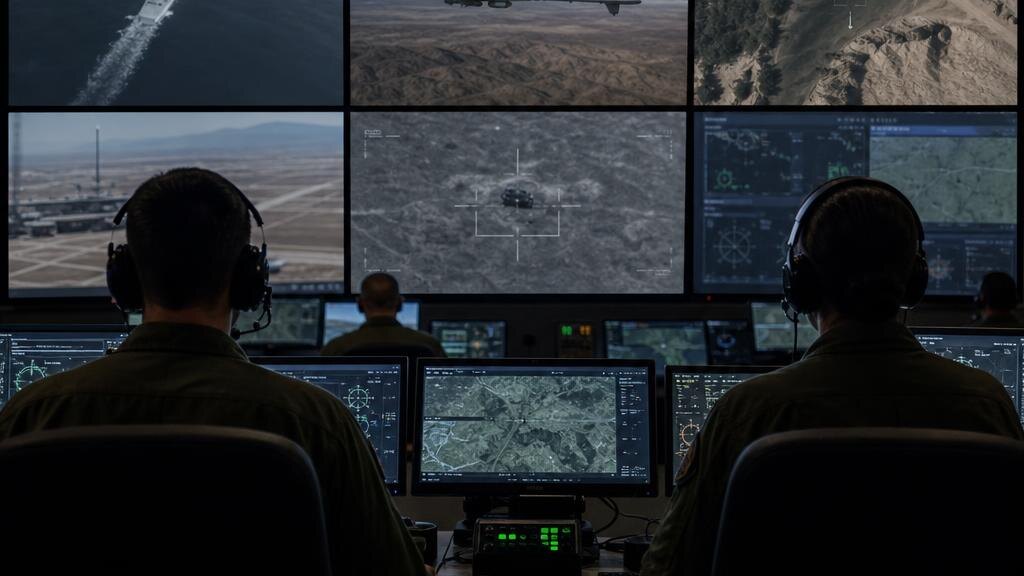
In a recent request for information (RFI) released by the Naval Air Systems Command, the U.S. Navy has officially announced its desire for a carrier-based unmanned fighter aircraft that could operate alongside traditional manned fighters. This initiative forms part of the Navy’s broader Collaborative Combat Aircraft program, which aims to enhance the capabilities of naval aviation through advanced unmanned systems. The Navy’s vision is to create a platform that can not only launch from aircraft carriers but also engage in combat operations, thereby augmenting its existing fleet of manned fighters such as the F/A-18 Super Hornet and the upcoming F-35C Lightning II.
The strategic significance of this development cannot be overstated. As modern warfare evolves, the integration of unmanned systems into traditional military frameworks is becoming essential. The introduction of a carrier-based unmanned fighter is expected to provide the Navy with increased operational flexibility, allowing for missions that may be too risky for crewed aircraft. This capability could be particularly valuable in contested environments where anti-access/area denial (A2/AD) strategies are prevalent, as it allows for the projection of power without risking pilot lives. The potential to deploy unmanned fighters in high-threat zones could redefine engagement strategies and operational planning for naval forces.
Technologically, the Navy envisions a drone that can perform a variety of roles, including intelligence, surveillance, reconnaissance (ISR), and strike missions. A focus on multi-role capabilities ensures that the unmanned fighter can adapt to various operational demands. The Navy has set a budget of approximately $30 million per unit, which reflects its aim to balance advanced capabilities with cost-effectiveness. This financial target presents a challenge, as developing cutting-edge technology while maintaining affordability is a complex task that many defense contractors will have to navigate. The emphasis on cost control is particularly relevant in the context of ongoing budget constraints within the Department of Defense, necessitating a careful evaluation of the trade-offs between capability and expenditure.
The RFI issued by the Navy is part of a broader trend within the U.S. military to increase reliance on unmanned systems. This shift is not only about enhancing combat capabilities but also about improving logistics and reducing operational costs. Unmanned systems can operate in environments that might be too hazardous for manned aircraft, effectively expanding the operational theater for the Navy. However, the challenge remains in ensuring that these systems can be integrated seamlessly with existing manned platforms and naval operations. The interoperability between manned and unmanned systems is crucial, as it will dictate the effectiveness of joint missions and the overall operational cohesion of the Navy's air wing.
Despite the potential benefits, there are significant constraints and concerns associated with deploying unmanned platforms in combat roles. One of the primary issues is the technological reliability of these systems, especially in complex combat environments. Unmanned aircraft must be able to operate autonomously and respond to dynamic battlefield conditions, which requires advanced artificial intelligence and robust communication systems. Furthermore, there are concerns regarding cybersecurity; as unmanned systems become more interconnected, they may become more vulnerable to cyber-attacks. Ensuring the resilience of these systems in the face of potential cyber threats will be a critical component of their development and deployment.
Another critical factor is the regulatory and operational framework that governs the use of unmanned combat aircraft. The Navy will need to establish clear rules of engagement and operational protocols to ensure that these systems can be deployed effectively without overstepping legal boundaries. This includes addressing issues related to accountability and the ethical implications of using unmanned platforms in combat scenarios. The establishment of a robust governance framework will be necessary to navigate the complexities of unmanned warfare, particularly in terms of compliance with international law and the laws of armed conflict.
As the Navy moves forward with this initiative, several questions remain unanswered. For instance, how will the Navy evaluate the effectiveness of these unmanned fighters in real-world scenarios? What will the integration process look like between manned and unmanned aircraft? Additionally, how will the Navy address potential technological failures during critical missions? These questions highlight the complexities involved in transitioning to a more unmanned-centric naval force. The answers to these questions will be pivotal in shaping the operational doctrine surrounding the use of unmanned systems in naval warfare.
Moreover, the development of a carrier-based unmanned fighter is likely to stimulate competition among defense contractors. Established companies and new entrants alike will be eager to contribute innovative solutions, which could lead to breakthroughs in drone technology. This competitive environment may foster advancements that could benefit other branches of the military as well. The potential for collaboration between industry and military stakeholders could accelerate the pace of innovation, ultimately enhancing the Navy's operational capabilities.
In conclusion, the U.S. Navy’s pursuit of a carrier-based unmanned fighter reflects a significant shift in naval aviation strategy, aimed at enhancing operational flexibility and effectiveness in modern combat. While the initiative presents numerous opportunities, it also brings challenges that must be addressed to ensure successful implementation. As the Navy continues to refine its requirements and evaluate potential designs, the outcomes of this initiative will likely shape the future of naval warfare for years to come. The integration of unmanned systems into the Navy's operational framework could redefine naval engagements, paving the way for a new era of maritime dominance.