Naval ·
U.S. Navy Completes Historic 1,000-Mile Transit with Orca XLUUV
The U.S. Navy has achieved a milestone by completing a 1,000 nautical mile transit with the Orca XLUUV, marking a significant advancement in unmanned underwater vehicle capabilities.
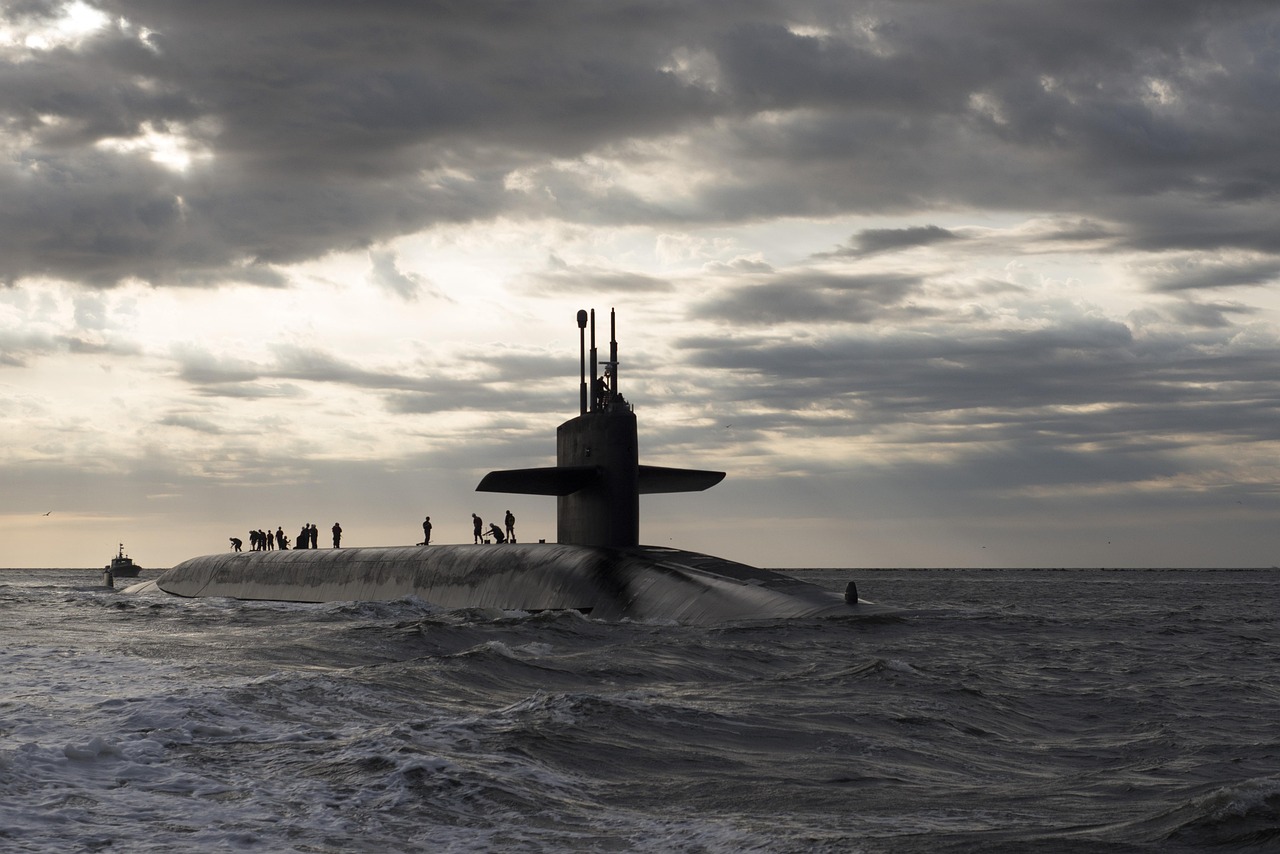
In a groundbreaking achievement, the U.S. Navy has successfully completed its first long-range mission with the Orca Extra Large Unmanned Underwater Vehicle (XLUUV), covering a distance of 1,000 nautical miles. This milestone, achieved in July, showcases the Navy's commitment to advancing its underwater drone capabilities as part of a broader strategy to enhance maritime operations and situational awareness. The Orca XLUUV, developed as part of the Program Executive Office for Unmanned Small Combatants (PEO USC), is designed to perform a variety of missions, including anti-submarine warfare, mine countermeasures, and intelligence gathering.
The successful transit highlights the vehicle's endurance and operational capabilities, which are critical for modern naval warfare. The Orca is equipped with advanced sensors and can operate autonomously, allowing for extensive mission planning and execution without direct human oversight. This capability is particularly important in contested environments where manned vessels may be at greater risk, thus providing a safer alternative for critical reconnaissance and surveillance missions.
Moreover, the successful transit paves the way for future operations involving unmanned systems in the Navy's fleet. As the maritime landscape continues to evolve, incorporating unmanned vehicles like the Orca into naval strategies will be vital for maintaining a competitive edge. The U.S. Navy anticipates that the Orca will play an integral role in its future operations, offering flexible and resilient options for maritime engagements.
The development of the Orca XLUUV is a crucial part of the Navy's broader maritime strategy, which seeks to leverage cutting-edge technologies to enhance operational effectiveness. With its ability to operate in complex underwater environments, the Orca will contribute significantly to the Navy's objectives of ensuring freedom of navigation and maritime security. As unmanned systems continue to evolve, the Navy is likely to expand its operational use of these technologies across various mission profiles, further integrating them into its overall maritime operations.
As the Navy looks ahead, the successful transit of the Orca XLUUV serves as a testament to the potential of unmanned systems in reshaping naval warfare. The lessons learned from this mission will inform future developments and deployments of underwater drones, ultimately enhancing the Navy's capabilities in an increasingly complex global maritime environment.