Air ·
U.S. Army Tests Rogue 1 Reusable Attack Drone
The U.S. Army has conducted successful tests of the Rogue 1, a reusable attack drone designed for night operations.
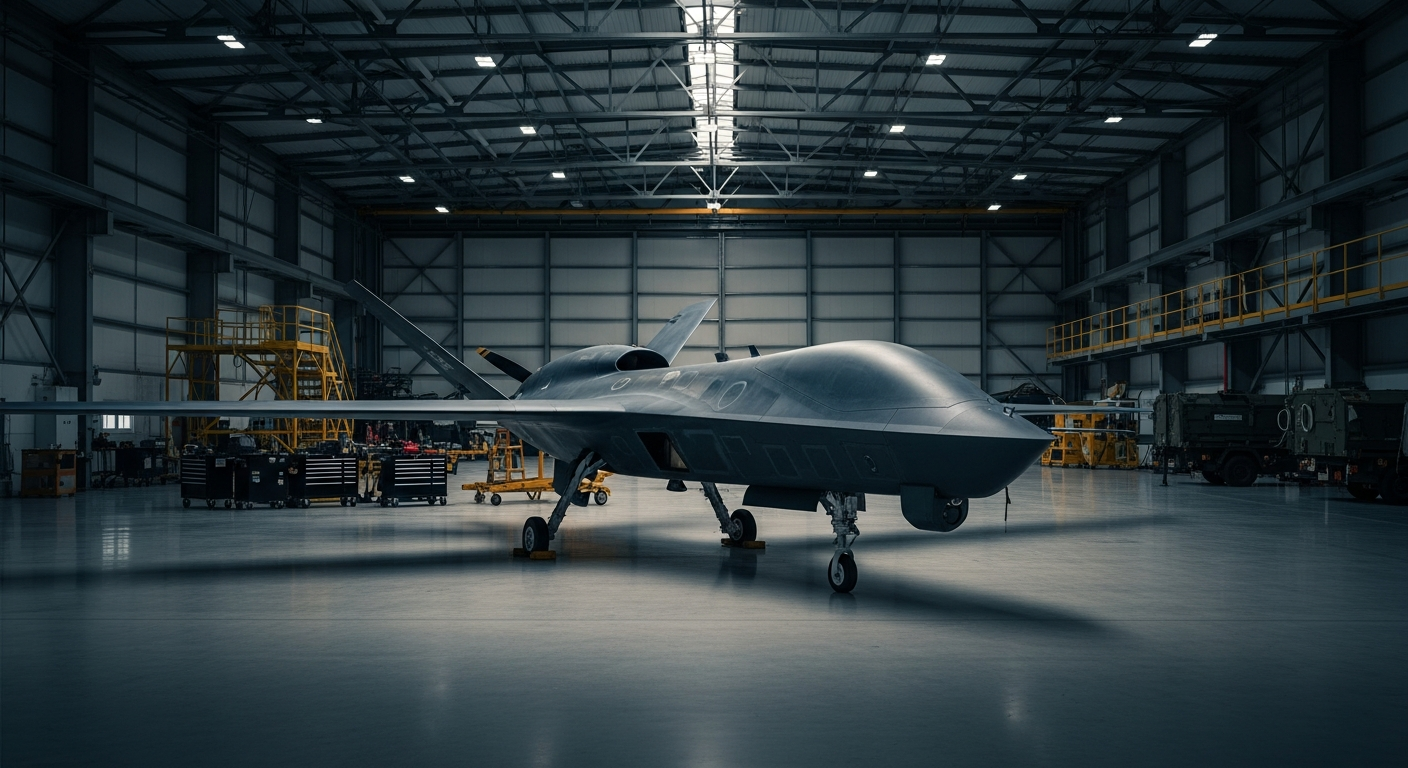
The U.S. Army recently put the Rogue 1, a reusable attack drone, to the test in the challenging environment of Fort Irwin, California. During these trials, soldiers were able to operate the drone effectively, utilizing its advanced capabilities to engage targets without risking human pilots. The Rogue 1 is equipped with state-of-the-art sensors and weaponry, allowing it to operate in darkness and provide critical support to ground forces.
This testing phase demonstrates the Army's commitment to integrating advanced unmanned systems into its operational framework. The ability to deploy drones like the Rogue 1 in combat scenarios enhances situational awareness and provides commanders with strategic options for engaging targets while minimizing risk to personnel. The Army is increasingly recognizing the value of drones in augmenting traditional ground operations and achieving mission objectives.
The design of the Rogue 1 emphasizes versatility, enabling it to perform various roles, from reconnaissance to direct attacks. Its reusable nature not only reduces operational costs but also allows for rapid redeployment after missions. This aligns with the Army's focus on sustainability and efficiency in its drone operations, particularly as the demand for unmanned systems continues to grow.
The successful testing of the Rogue 1 also reflects broader trends in military drone development, where emphasis is placed on creating systems that can operate effectively in diverse environments while providing real-time data to commanders. As unmanned systems become more integral to military strategy, the lessons learned from these tests will be invaluable in shaping future drone deployments and missions.
As the U.S. Army continues to enhance its aerial capabilities, the Rogue 1 represents a significant step forward in the evolution of unmanned warfare, ensuring that American forces remain equipped to address emerging threats and operational challenges on the battlefield.