Air ·
U.S. Air Force Tests Commercial Drone Killer in Arizona
U.S. Air Force Special Warfare Airmen have successfully tested a kinetic counter-drone interceptor, highlighting the military's focus on addressing the growing drone threat.
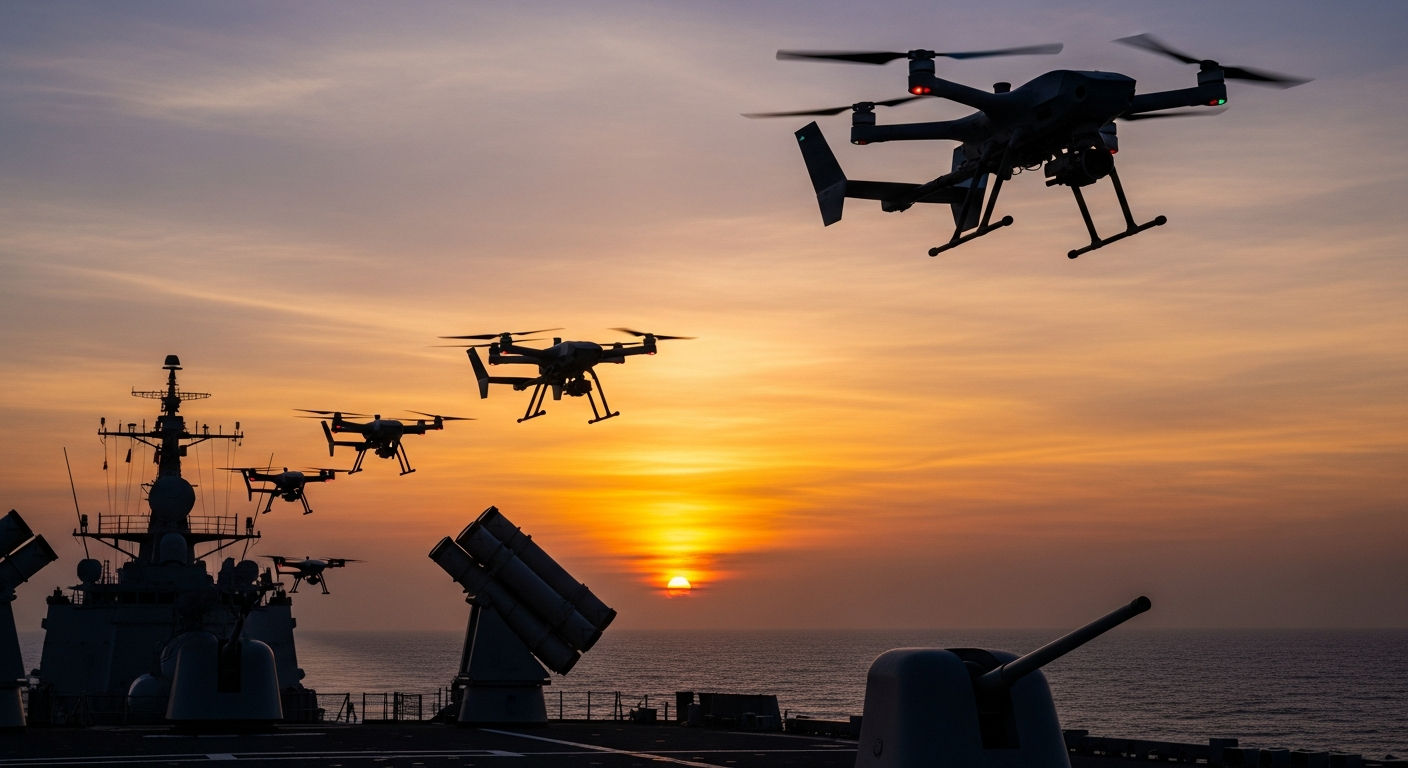
In a significant step towards enhancing its counter-drone capabilities, the U.S. Air Force has conducted tests of a commercial off-the-shelf kinetic interceptor designed to neutralize hostile drones. This proof-of-concept event saw Airmen from several squadrons, including the 48th Rescue Squadron and the 316th Civil Engineer Squadron, participate in the evaluation in Arizona. The tests reflect the military's ongoing commitment to developing effective strategies against the increasing proliferation of unmanned aerial systems in both military and civilian airspace.
The kinetic counter-drone technology tested is part of a broader effort to equip U.S. forces with the necessary tools to deal with the rising threat posed by enemy drones, which have been used in conflicts worldwide for surveillance and attack purposes. By integrating commercial technologies into military operations, the Air Force aims to leverage existing innovations to quickly adapt and respond to evolving threats. This approach not only accelerates the development timeline but also fosters collaboration with civilian tech firms.
The role of Special Warfare Airmen in these tests underscores the importance of specialized training and responsiveness in counter-drone operations. These personnel are uniquely positioned to operate in complex environments where drones may be deployed by adversaries for reconnaissance or direct attacks. Their involvement in the testing phase ensures that the tactics and techniques developed are grounded in real-world operational scenarios, enhancing the overall effectiveness of the counter-drone strategy.
As drone technology continues to advance, so too must the military's countermeasures. The successful testing of this kinetic interceptor will likely influence the development of future counter-drone systems, potentially leading to integrated solutions that combine various technologies, such as electronic warfare and kinetic interceptors, to create a multi-layered defense network. This approach could significantly enhance the protection of U.S. assets both domestically and abroad.
In conclusion, the U.S. Air Force's focus on testing commercial drone killers reflects a proactive stance towards mitigating the drone threat. By leveraging commercial innovations and incorporating them into military frameworks, the Air Force is not only enhancing its operational capabilities but also setting a precedent for future modernization efforts across the armed services. As the landscape of warfare evolves with the increasing use of unmanned systems, the Air Force's initiatives will be crucial for maintaining air superiority and ensuring mission success.