Air ·
U.S. Air Force Accelerates Replacement of MQ-9 Reaper Amid Operational Losses
The U.S. Air Force is pushing for an expedited replacement of the MQ-9 Reaper due to concerning operational losses, emphasizing the need for a new approach in drone capabilities.
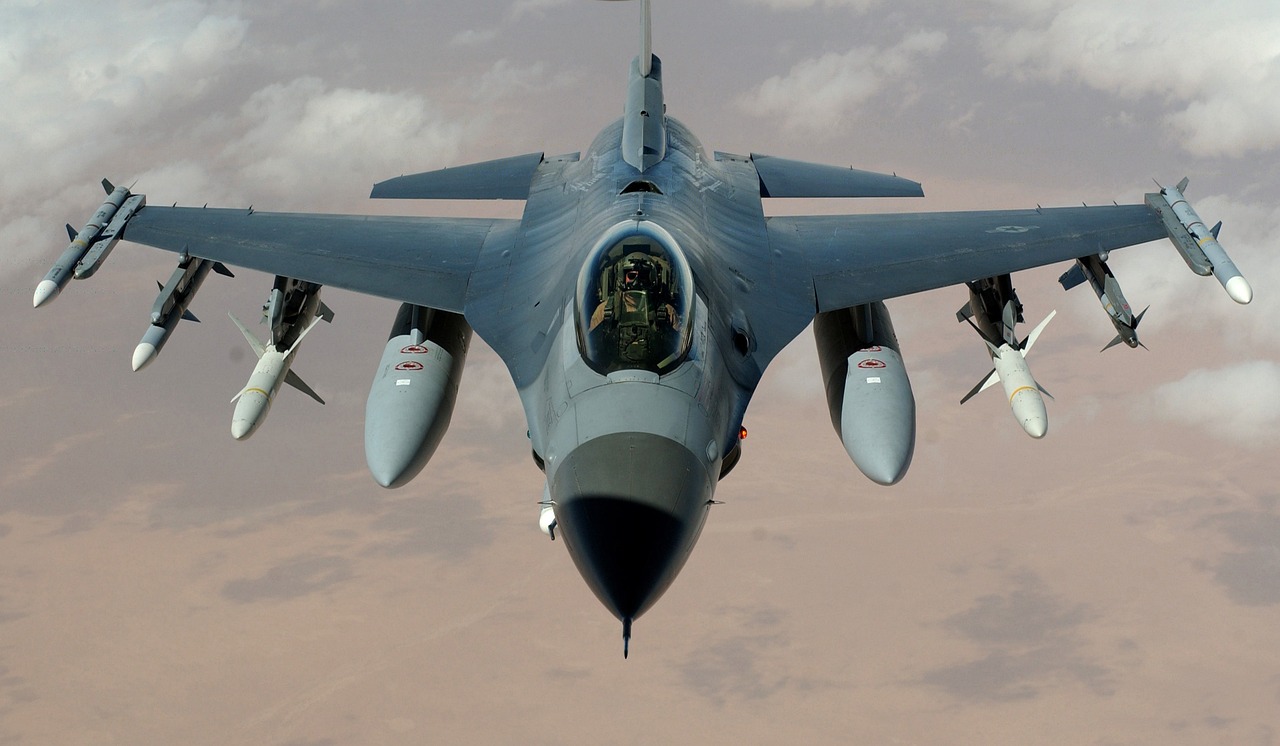
In light of recent operational losses, the U.S. Air Force is accelerating its efforts to replace the MQ-9 Reaper drone, a critical asset in its unmanned aerial fleet. This push comes as Air Force leaders express concerns about the vulnerability of the Reaper platform, particularly in contested environments where adversaries are increasingly employing advanced countermeasures against drones. Lt. Gen. Christopher Niemi highlighted that the service must adopt a new strategy to avoid repeating past mistakes in drone development and procurement.
The MQ-9 Reaper has played a significant role in intelligence, surveillance, and reconnaissance (ISR) missions, as well as in conducting precision strikes. However, as adversaries develop more sophisticated technologies, the Air Force recognizes the need for a platform that can operate effectively in higher-threat environments. This has prompted discussions about the incorporation of more advanced features, such as enhanced stealth capabilities and improved sensor technologies, in the next generation of unmanned aircraft.
While the Reaper remains a formidable platform, its operational limitations have become increasingly apparent. The Air Force is now exploring options that may include the development of an entirely new drone system, or potentially modifying existing platforms to better meet the demands of modern warfare. The goal is to ensure that future unmanned systems are equipped to operate in contested airspaces, providing vital support to ground forces and maintaining air superiority.
The accelerated timeline for replacing the Reaper reflects the urgency of the situation, as the Air Force aims to mitigate risks and enhance its overall drone capabilities. By focusing on innovative designs and technologies, the service hopes to achieve a more resilient and effective unmanned fleet that can adapt to evolving threats. This strategic pivot underscores the importance of continual investment in drone technology to maintain a competitive edge in air operations.
The decision to expedite the replacement of the MQ-9 brings to light the broader trends in military drone development and procurement. As military engagements become more complex, the Air Force's approach to unmanned systems will need to evolve, prioritizing resilience and adaptability in the face of emerging challenges.