Air ·
Taiwan Army Shifts to Drones, Phasing Out OH-58D Helicopters
Taiwan's Army plans to replace its OH-58D Kiowa Warrior helicopters with JUMP 20 UAV units to modernize its aerial capabilities.
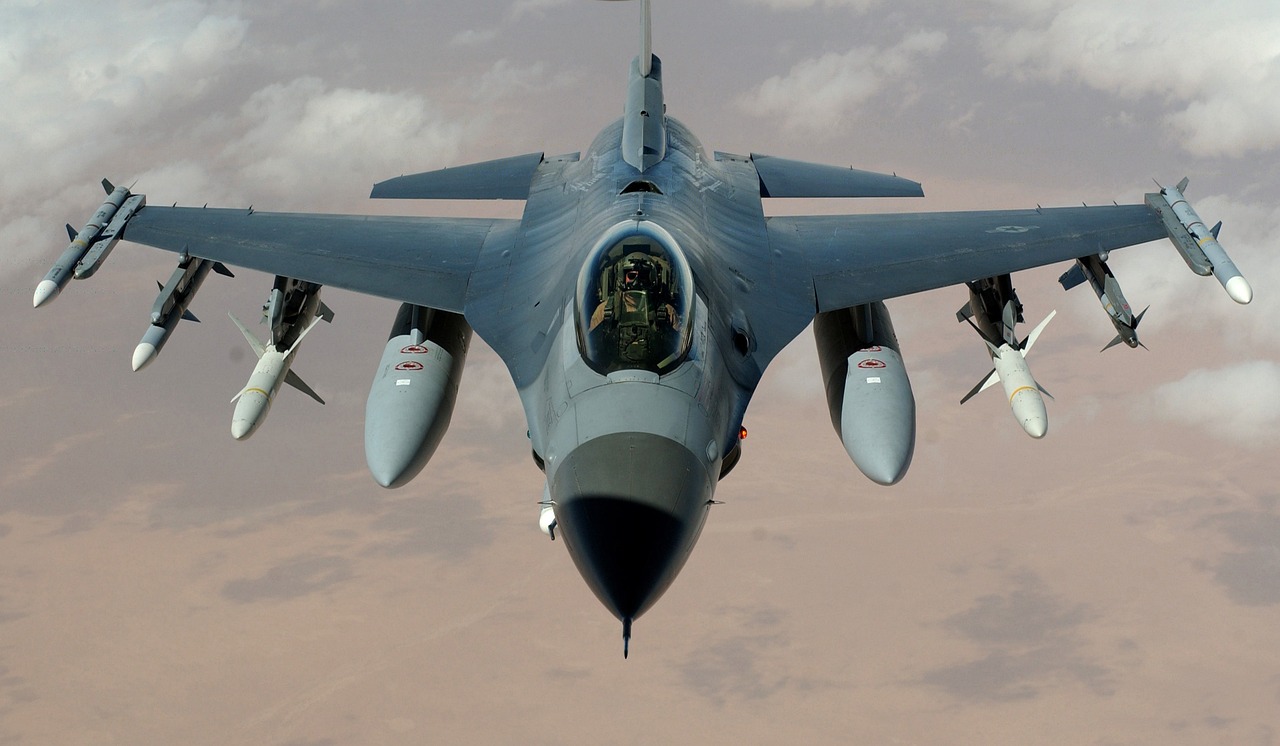
In a strategic shift towards modern warfare, the Taiwan Army is preparing to establish dedicated units for its JUMP 20 unmanned aerial vehicles (UAVs) as part of a broader restructuring plan. This decision, reported by United Daily News, entails gradually phasing out the long-serving OH-58D Kiowa Warrior helicopters, a move that highlights the increasing reliance on drone technology in military operations. The transition to JUMP 20 UAVs signifies Taiwan's commitment to enhancing its aerial reconnaissance and combat capabilities in the face of evolving security threats.
The JUMP 20 is a versatile UAV designed for various missions, including surveillance, reconnaissance, and tactical support. Its deployment within the aviation brigades of the Taiwan Army aims to improve situational awareness and operational flexibility. By integrating drones into their operational framework, Taiwan not only modernizes its military capabilities but also positions itself to counter potential threats from neighboring nations, particularly China.
As regional tensions continue to rise, the move to drones aligns with global military trends where unmanned systems are increasingly pivotal. The Kiowa Warriors, which have served since the late 1980s, will be replaced by a platform that offers enhanced capabilities, allowing for quicker response times and more effective intelligence gathering. This transition will also enable Taiwan to allocate its resources more efficiently, focusing on technologies that provide a strategic advantage in aerial operations.
This decision reflects a broader trend in military modernization, where armies worldwide are recognizing the importance of unmanned systems in achieving operational superiority. The establishment of dedicated UAV units within Taiwan's Army will likely enhance its deterrence capabilities and resilience, reinforcing its defense posture amidst a changing security landscape in the Asia-Pacific region.