Naval ·
Pentagon Requests Record $65.8 Billion for Shipbuilding Amid Rising Naval Capabilities
The Pentagon's significant shipbuilding budget request reflects an ongoing commitment to enhance naval capabilities, including unmanned systems.
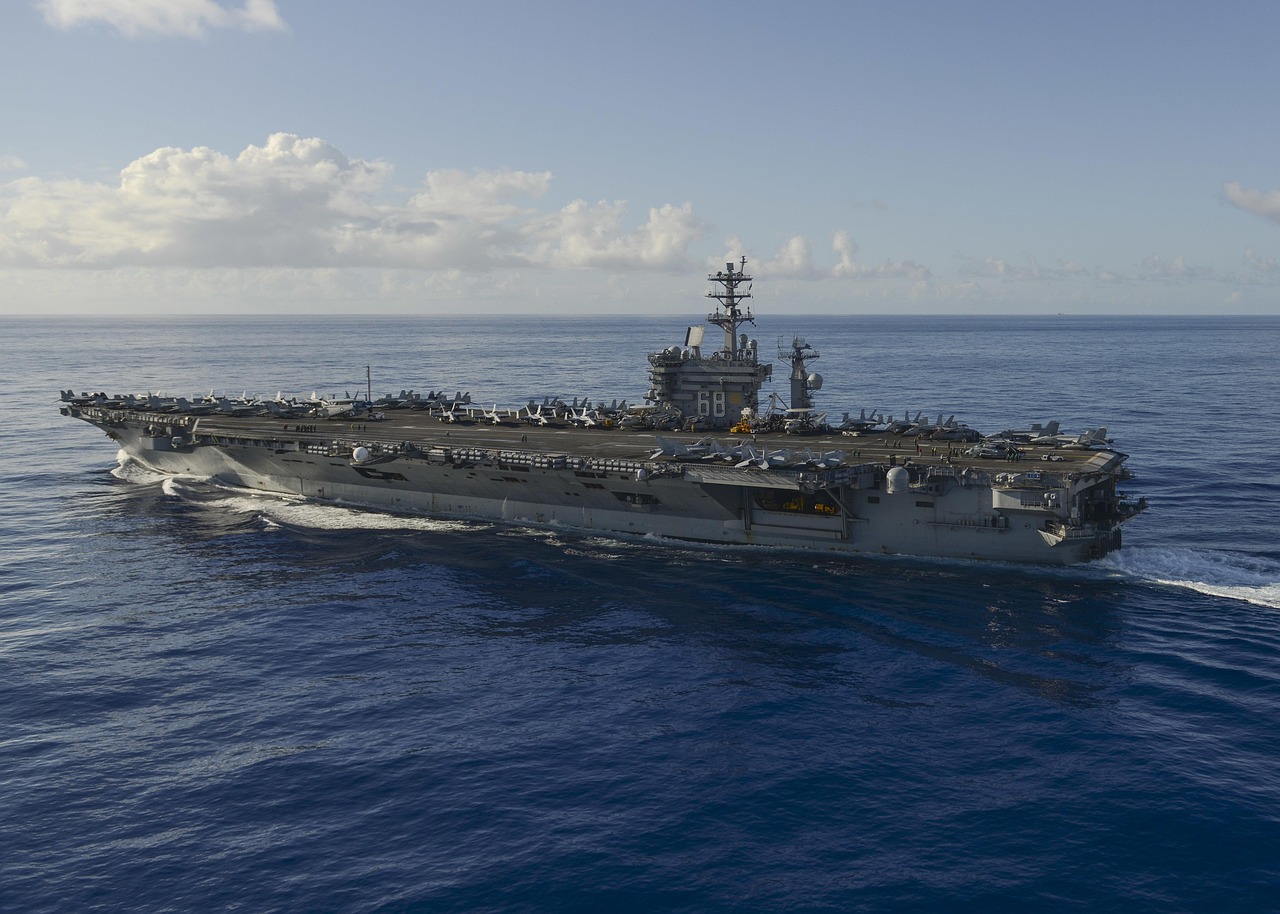
The Pentagon has submitted a historic shipbuilding budget request of $65.8 billion for fiscal year 2027, signaling a robust commitment to enhancing naval capabilities in light of emerging global threats. This request is being hailed as the highest since the Korean War and underscores the strategic importance of maritime operations in contemporary defense planning. As naval warfare evolves, the integration of unmanned systems into fleet operations will be crucial for maintaining operational superiority.
This budget request is indicative of a broader shift within the U.S. Navy to modernize its fleet with advanced technologies, including unmanned surface vessels (USVs) and unmanned underwater vehicles (UUVs). The increasing complexity of maritime threats necessitates a diversified approach to naval warfare, where traditional assets are complemented by unmanned systems capable of conducting a wide range of missions. Investments in USVs and UUVs will provide the Navy with enhanced surveillance, reconnaissance, and strike capabilities while reducing risks to personnel.
The emphasis on unmanned systems within the shipbuilding budget is reflective of the Navy's strategic vision, which aims to integrate these technologies into operational frameworks. USVs like the Sea Hunter can operate autonomously for extended periods, conducting intelligence-gathering missions without placing sailors in harm's way. Similarly, UUVs are crucial for underwater reconnaissance and mine countermeasures, further expanding the Navy's operational reach.
As the Navy prepares for potential conflicts in contested waters, the budget request underscores the need for a capable and technologically advanced fleet. The combination of manned and unmanned systems will enhance mission effectiveness and provide flexibility in response to evolving threats. This modernization effort is not merely about numbers; it is about ensuring that the U.S. Navy remains a dominant force in maritime operations.
Looking forward, the success of the shipbuilding initiative will depend on the effective integration of unmanned systems into naval strategies and operations. As the Pentagon advances its shipbuilding plans, the focus on innovation and technological advancement will be vital in shaping the future of naval warfare, ensuring readiness for the challenges that lie ahead.