Land ·
Dutch Facility Enhances Ukraine's Defense with Advanced Combat Robots
A new Dutch manufacturing plant for combat-zone robots aims to bolster Ukraine's defense capabilities amidst ongoing conflicts.
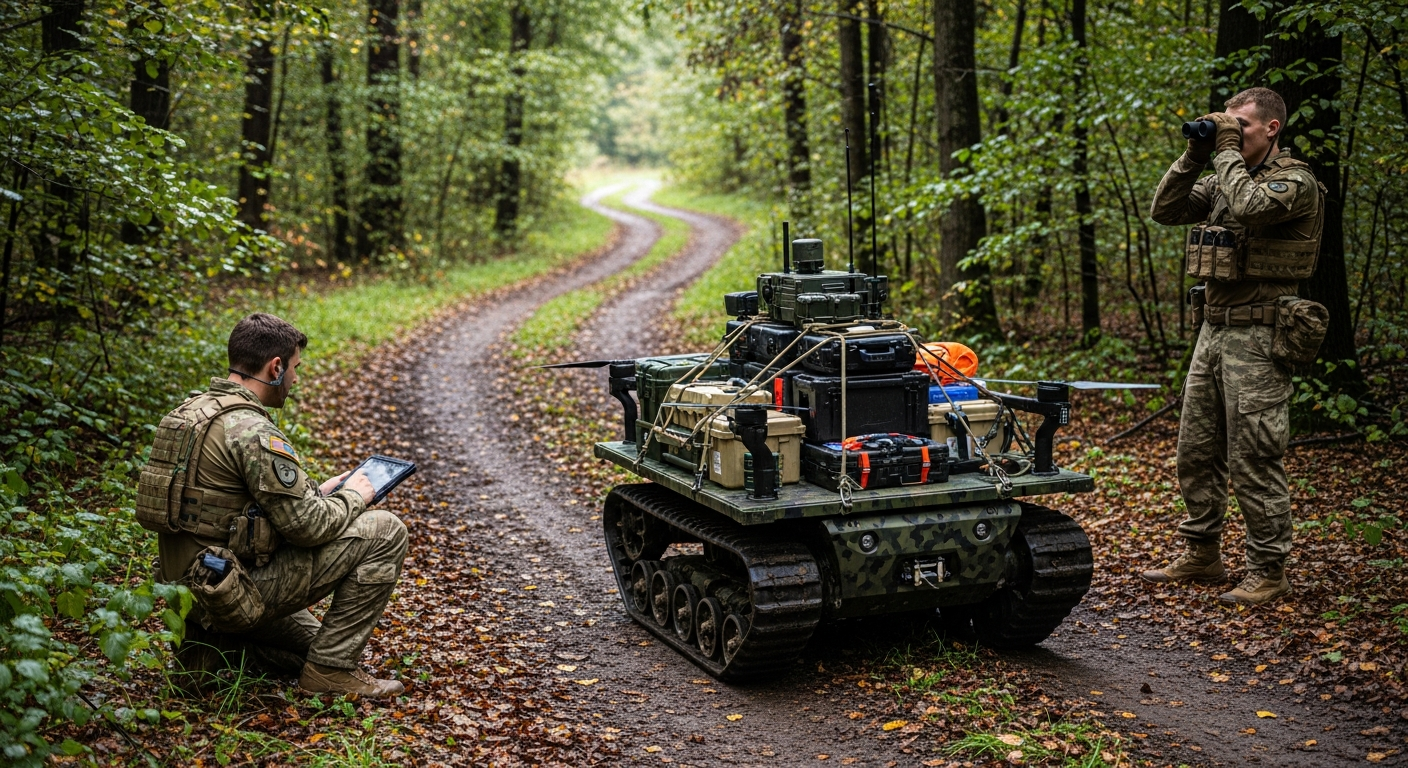
The establishment of a Dutch facility dedicated to the production of combat-zone robots represents a significant step in enhancing Ukraine's defense capabilities. This facility has already begun operations, successfully producing its first THeMIS unmanned ground vehicle (UGV) for the Dutch government. The Netherlands has committed to delivering over 100 of these versatile robots, which can be deployed for a variety of tasks in combat situations, from logistical support to reconnaissance missions.
THeMIS, designed for adaptability and efficiency, can operate in diverse environments and is equipped with various payload options, making it suitable for both military and civil applications. Its deployment in Ukraine is particularly timely, as the Ukrainian Armed Forces continue to adapt to the evolving landscape of warfare, which increasingly relies on unmanned systems. The incorporation of UGVs like THeMIS can significantly enhance operational effectiveness and reduce risks to personnel.
Moreover, the move highlights the growing trend of European nations stepping up their support for Ukraine, especially in the realm of unmanned systems. As tensions persist in Eastern Europe, the integration of advanced robotic systems is seen as a critical component of Ukraine's strategy to counter Russian aggression. The deployment of these robots not only strengthens Ukraine's military capabilities but also exemplifies international solidarity in addressing regional security challenges.
This initiative may also pave the way for further collaborations between European defense industries and Ukraine, fostering a supply chain that can rapidly respond to the needs of the battlefield. As robotic technology continues to evolve, the potential applications of these systems in various combat scenarios will likely expand, making it essential for military planners to consider their integration into future operations. The strategic implications of such advancements are profound, as unmanned systems become an integral part of modern warfare.
The Dutch plant's output will not only support ongoing operations but also influence the broader landscape of military engagement in Europe. As nations invest in drone technology and ground robotics, the race for technological superiority in defense capabilities is set to intensify, emphasizing the importance of innovation in sustaining military readiness. Overall, this development signifies a positive trajectory for Ukraine's defense efforts, reinforcing the importance of advanced unmanned systems in contemporary warfare.