Air ·
Air Force Successfully Conducts Live-Fire Test with Collaborative Combat Aircraft
The U.S. Air Force has marked a significant milestone by successfully firing a live missile from its YFQ-44A Collaborative Combat Aircraft, showcasing the potential of unmanned aerial systems in modern warfare.
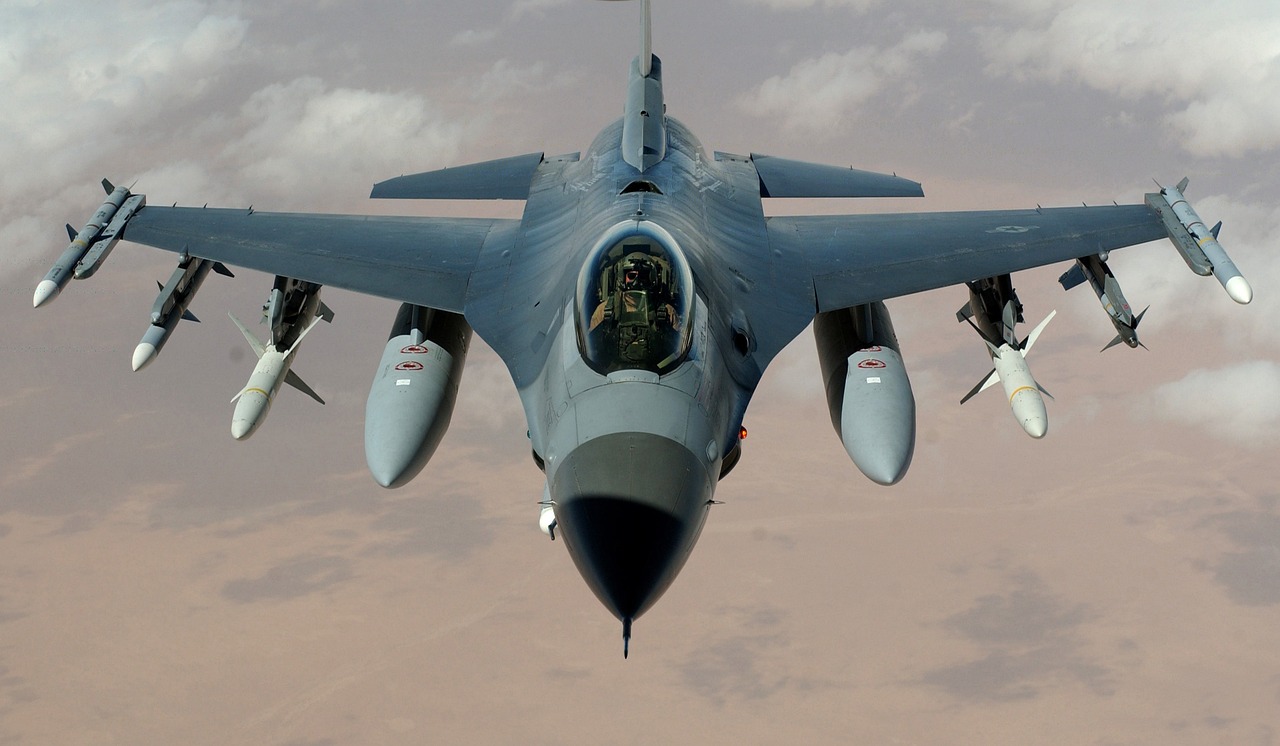
In a groundbreaking test, the U.S. Air Force has demonstrated the operational capabilities of its YFQ-44A Collaborative Combat Aircraft (CCA) by successfully firing a live air-to-air missile. This accomplishment was confirmed by Air Force Chief of Staff Gen. Kenneth Wilsbach, who emphasized the aircraft's ability to track and engage targets autonomously. The CCA represents a shift in aerial warfare strategy, integrating advanced unmanned technologies to enhance combat effectiveness.
The YFQ-44A is designed to operate alongside manned fighter jets, providing a tactical advantage by extending the reach and lethality of air missions. This capability aligns with the U.S. military’s vision of utilizing unmanned systems to perform complex tasks traditionally carried out by human pilots. The successful live-fire test not only validates the aircraft's design but also sets the stage for further integration of unmanned systems into the Air Force's operational framework.
As the Air Force continues to explore the capabilities of its unmanned fleet, the integration of the CCA into existing operations could transform air combat dynamics. The ability to engage targets without risking pilot lives opens new avenues for mission planning and execution, particularly in contested environments. The CCA could be deployed in various roles, including reconnaissance, strike missions, and even as a decoy to confuse enemy defenses.
Looking ahead, the Air Force's investment in unmanned systems like the YFQ-44A reflects a broader trend within military aviation. The increasing complexity of aerial threats necessitates innovative solutions that can operate seamlessly in conjunction with traditional manned aircraft. This live-fire test serves as a pivotal moment in demonstrating the effectiveness of autonomous systems in enhancing air superiority.
The implications of such advancements extend beyond immediate tactical advantages; they may also influence future defense budgets and research initiatives focused on unmanned technologies. The success of the YFQ-44A could lead to increased funding and interest in developing more sophisticated unmanned platforms, ensuring that the U.S. maintains its edge in aerial warfare.
In conclusion, the successful live-fire test of the YFQ-44A Collaborative Combat Aircraft marks a significant step forward in the integration of unmanned systems within the U.S. Air Force. As these technologies evolve, they promise to redefine the landscape of future combat operations, ultimately enhancing national security and defense capabilities.