Land ·
Utah Firm Unveils Razorback Autonomous Combat Vehicle
A new autonomous ground vehicle developed by a Utah company showcases impressive capabilities, including a significant payload and long operational range.
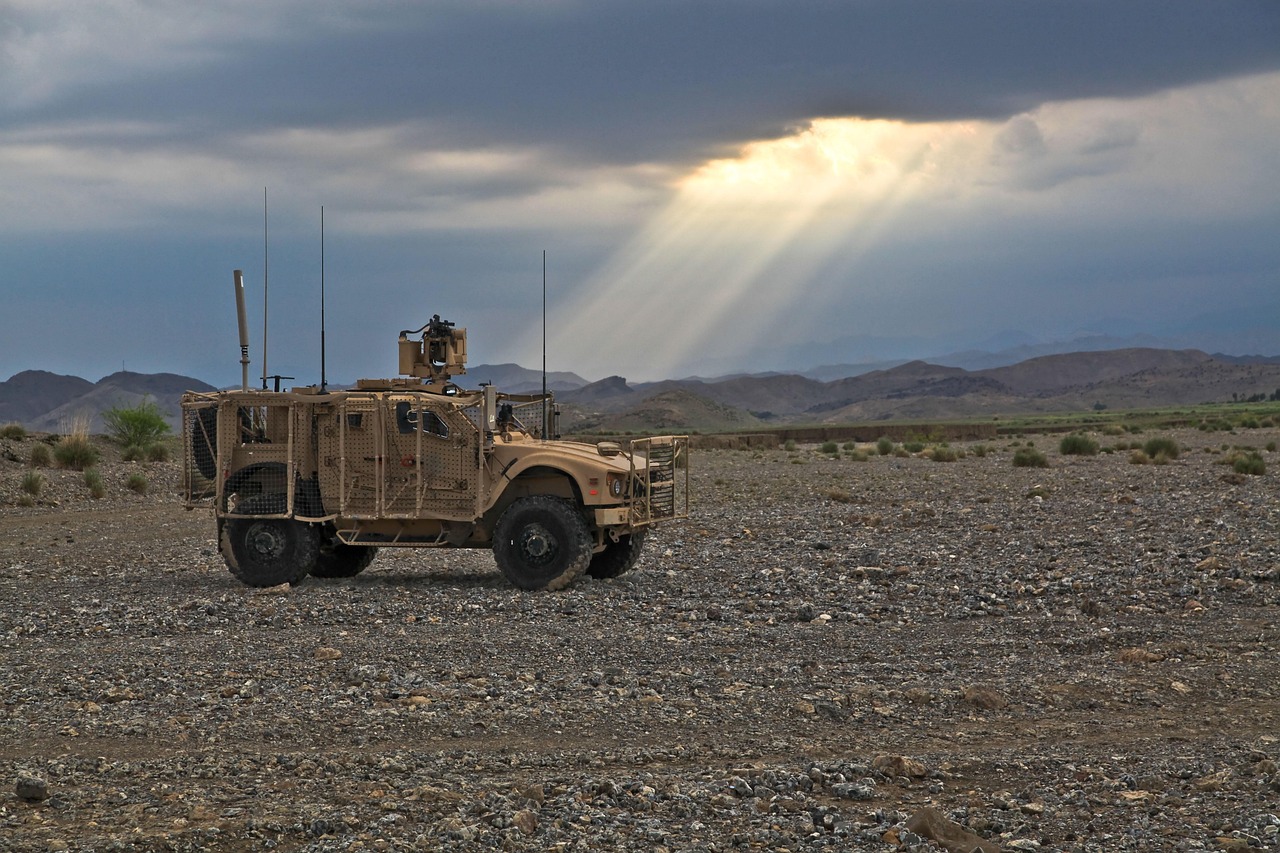
A Utah-based defense technology company has recently unveiled the Razorback, an autonomous combat vehicle designed to enhance military logistics and operational capabilities. This vehicle can carry a substantial payload of 2,400 pounds and boasts an operational range of 280 miles on a single charge. One of its standout features is its ability to export 38 kilowatts of power, which can be utilized to charge drones, operate directed energy weapons, and sustain forward command posts.
The Razorback represents a significant advancement in unmanned ground vehicle (UGV) technology, offering a versatile platform for various military applications. Its autonomous capabilities allow it to operate without a human onboard, making it ideal for high-risk environments where human presence would be dangerous. This type of vehicle could be particularly valuable in combat scenarios where logistics and support are critical to mission success.
In addition to its operational capabilities, the Razorback's design reflects a growing trend in military procurement towards more autonomous systems that can function effectively in contested environments. As militaries around the world seek to minimize personnel risks, vehicles like the Razorback could play a crucial role in future operations, allowing for more efficient supply chain management and combat support.
The development of the Razorback aligns with broader military modernization efforts focused on integrating advanced technologies into ground operations. As the U.S. military and its allies continue to explore the potential of unmanned systems, vehicles like the Razorback may become essential components of operational strategies, contributing to a more agile and responsive force.
As the Razorback undergoes further testing and evaluation, its potential impact on military logistics and combat operations will be closely monitored. If successful, it could pave the way for more widespread adoption of autonomous ground vehicles in military contexts, reshaping how forces conduct operations in the field and enhancing their overall effectiveness.