Naval ·
USVs as a Cost-Effective Alternative for Naval Missions
The U.S. Navy is considering unmanned surface vessels (USVs) as viable alternatives for missions, especially as manned fleet capacities become strained.
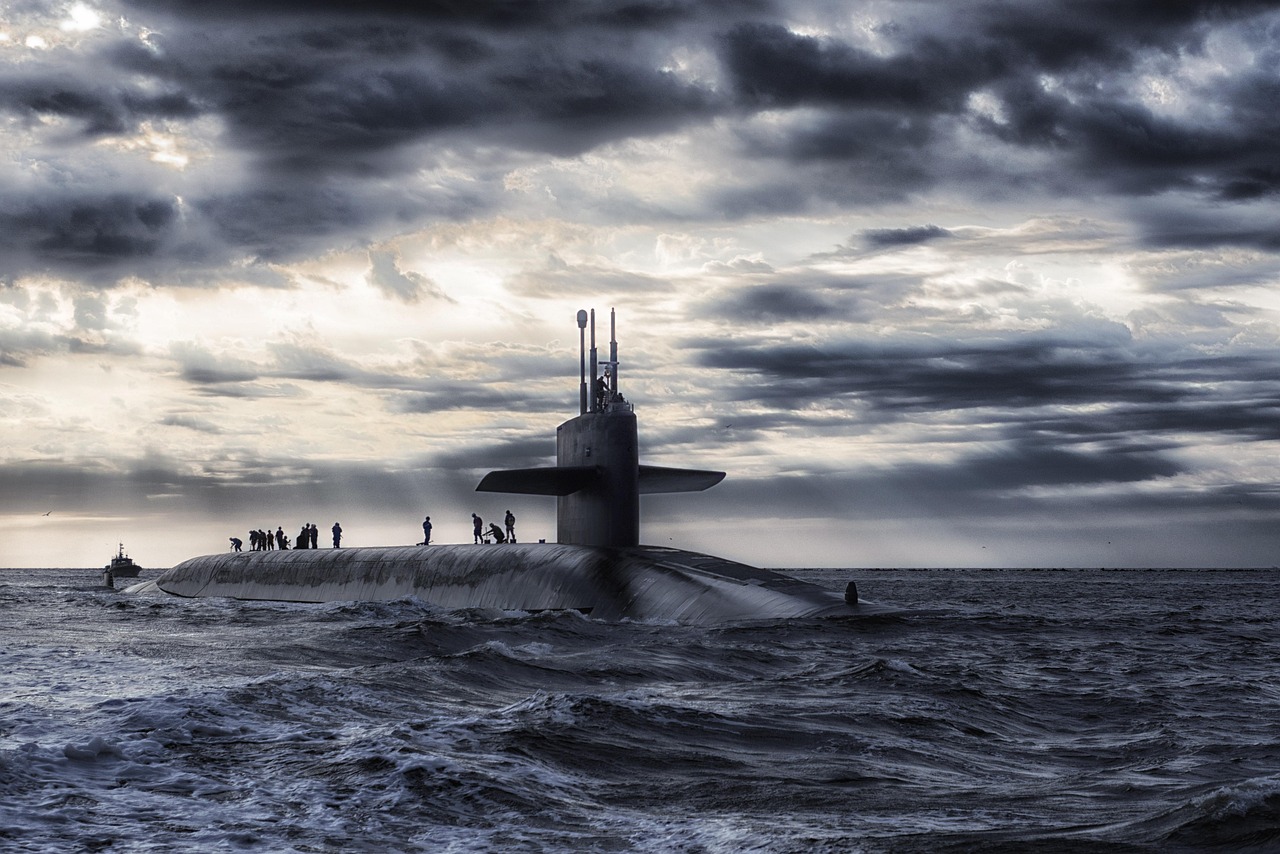
With the U.S. Navy facing an increasing operational tempo and a stretched manned fleet, unmanned surface vessels (USVs) are emerging as a promising solution to fill capability gaps. Navy officials have highlighted that USVs can serve as modular force elements, providing a flexible response to various mission requirements without the high costs associated with deploying larger combatant ships. This strategic pivot is indicative of a broader trend within naval operations towards incorporating unmanned systems to enhance fleet effectiveness.
The advantages of employing USVs are multifaceted. They allow for a more efficient allocation of resources, enabling the Navy to conduct multiple missions simultaneously while minimizing the risks to personnel. Moreover, the modularity of these vessels means they can be equipped with a range of payloads, from surveillance systems to weaponry, depending on the specific operational demands. This adaptability is crucial in a maritime environment where threats can vary widely.
As the Navy continues to explore the potential of USVs, ongoing testing and evaluations are essential to understand their capabilities fully. This includes assessing their performance in various maritime conditions and their integration with existing naval systems. The success of these unmanned vessels could redefine naval strategy, making them a central component in future fleet compositions.
In conclusion, the shift towards USVs represents a significant evolution in naval warfare. As the U.S. Navy embraces these technologies, it enhances its ability to respond to emerging threats while optimizing operational costs, ultimately ensuring maritime security in an increasingly complex global landscape.