Air ·
US Strikes Iranian Radar Sites After Drone Incursion
U.S. military forces retaliated against Iranian drone activities by striking coastal radar installations, underscoring rising tensions in the Gulf region.
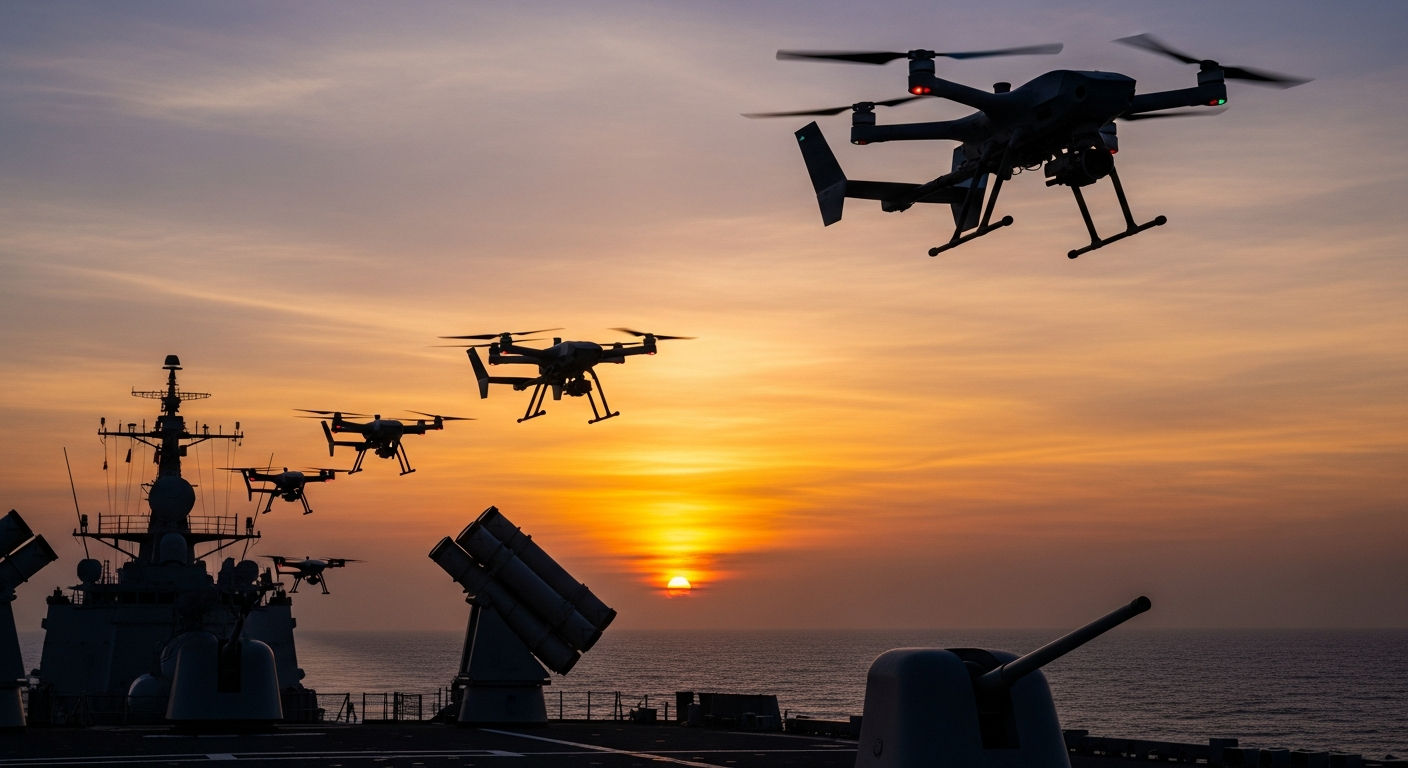
In a significant escalation of hostilities in the Gulf region, U.S. forces conducted airstrikes on Iranian coastal radar sites following the downing of drones launched by Iran towards the strategic Strait of Hormuz. The incident marks a worrying development amid ongoing tensions between the U.S. and Iran, particularly regarding drone operations that have become a focal point in modern asymmetric warfare. The U.S. military confirmed that these strikes were a necessary response to safeguard maritime security in a vital shipping lane, which is crucial for global oil transport and trade.
The drones launched by Iran were reportedly aimed at disrupting the flow of maritime traffic through the Strait of Hormuz, a chokepoint that sees about 20% of the world's oil pass through daily. The U.S. military's proactive measures highlight its commitment to countering threats posed by Iranian UAVs, which have increasingly been employed for reconnaissance and potential strikes on U.S. assets in the region. This incident also reflects a broader strategy by Iran to project power through the use of unmanned systems, which complicates traditional military engagements.
The use of drones in this context not only showcases their effectiveness in surveillance and targeting but also raises questions about the rules of engagement in international waters. The U.S. response involved precision strikes that aimed at minimizing collateral damage, a crucial consideration in urban and coastal environments where civilian infrastructure is often present. Such operations demonstrate the evolving nature of warfare in the 21st century, where unmanned aerial vehicles play a pivotal role in enabling nations to respond swiftly to perceived threats.
As the situation develops, the U.S. military is likely to increase its presence in the region, potentially deploying additional unmanned systems to monitor Iranian activities. This could include ISR (Intelligence, Surveillance, Reconnaissance) drones that provide real-time data on Iranian military movements and capabilities. The ongoing conflict also raises concerns about the proliferation of drone technology among various state and non-state actors, which could further destabilize the region and lead to more frequent and dangerous encounters.
In conclusion, this incident serves as a stark reminder of the complex geopolitical landscape in the Gulf and the critical role that unmanned systems will continue to play in shaping military strategies. The U.S. military's ability to adapt to these challenges will be key in ensuring stability in a region that remains fraught with tension and unpredictability.