Air ·
US Special Operations Forces Test Drone Laser for Precision Mortar Guidance
Recent tests by U.S. Army special operations forces have successfully demonstrated the ability to use drones equipped with laser designators to enhance the range and accuracy of mortar strikes, showcasing a pivotal advancement in battlefield technology.
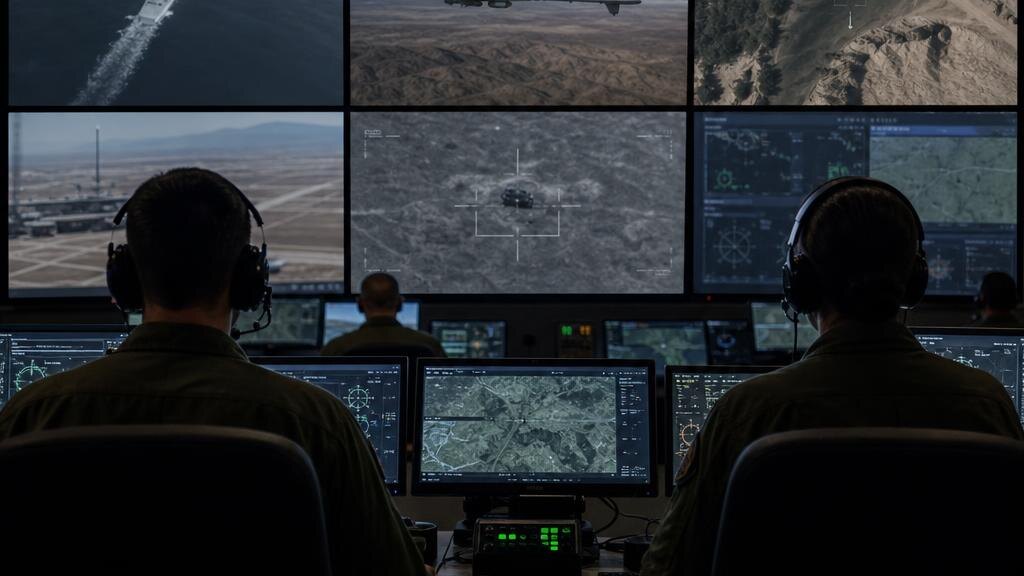
In a notable advancement for battlefield technology, U.S. Army special operations forces recently conducted tests involving a drone equipped with a laser designator that guides precision mortar rounds. This test, conducted at Dugway Proving Ground in Utah, showcased the potential for drones to extend the operational range of conventional artillery, particularly 120 mm mortars, by using advanced targeting methods. The incorporation of drone technology into artillery operations marks a significant evolution in how ground forces can deliver precision fire support in dynamic combat environments.
The drone used in this test was a quadcopter manufactured by Performance Drone Works, which carried a laser designator from Leonardo DRS. This combination allowed the drone to effectively mark targets beyond the standard range of traditional mortar systems. The integration of aerial surveillance and targeting via unmanned systems not only enhances the lethality of ground forces but also minimizes the risk to personnel by allowing operators to engage targets from a safe distance. This capability is particularly vital in modern combat scenarios where the speed of operations and the need for rapid decision-making are paramount.
Historically, the effectiveness of mortar fire has been limited by range and accuracy, often requiring forward observers on the ground to identify and mark targets. However, the introduction of drones into this equation significantly alters the dynamics of artillery operations. By utilizing drones for target acquisition, commanders can ensure that munitions are accurately directed to specific coordinates, reducing collateral damage and increasing the effectiveness of fire support. This capability is particularly crucial in urban environments where precision is paramount. The ability to engage targets with greater accuracy not only protects civilian lives but also enhances the overall operational effectiveness of military missions.
The strategic significance of this development cannot be overstated. As modern warfare increasingly relies on rapid response and precision strikes, the ability to use drones for artillery guidance aligns with the U.S. military's broader strategy of integrating unmanned systems into all levels of operations. This approach not only enhances operational effectiveness but also provides U.S. forces with a technological edge over adversaries who may lack similar capabilities. The integration of drones into artillery operations reflects a shift towards a more networked and responsive military force, capable of adapting to the complexities of contemporary warfare.
Moreover, the successful testing of drone-assisted mortar strikes could pave the way for further innovations in unmanned systems. The U.S. military is actively exploring various applications of drone technology, including its use in reconnaissance, surveillance, and combat roles. As drones become more sophisticated, the potential for integrating advanced targeting systems into existing artillery frameworks will likely expand, leading to new tactics and methods for engaging enemy forces. This evolution could also foster collaboration between different branches of the military, as joint operations become increasingly reliant on shared intelligence and coordinated strikes.
Despite these advancements, challenges remain. The integration of drone technology into traditional artillery units requires extensive training and adaptation. Soldiers must become proficient not only in operating the drones but also in interpreting the data they provide. This necessitates a shift in training paradigms, where personnel are educated not just in conventional artillery tactics but also in the nuances of unmanned systems. Additionally, there is the question of technological reliability and the potential for adversaries to develop countermeasures against such systems. The military must remain vigilant in addressing these vulnerabilities to maintain its operational advantage.
As the U.S. military continues to refine its approach to unmanned systems, the long-term implications of integrating drones into artillery operations will be closely monitored. The effectiveness of these systems in real-world combat scenarios will ultimately determine their future role on the battlefield. Furthermore, the lessons learned from these tests will likely inform the development of next-generation systems designed to enhance the capabilities of U.S. forces. Continuous evaluation and adaptation will be essential to ensure that these technologies remain relevant and effective in an ever-evolving threat landscape.
In conclusion, the recent tests of using drones for precision mortar guidance represent a significant step forward in military capabilities. By leveraging unmanned systems to enhance artillery operations, the U.S. military is not only increasing its combat effectiveness but also setting the stage for future innovations in warfare. As the battlefield continues to evolve, the role of drones will undoubtedly become more central to military strategy, providing new opportunities for engagement and operational success. The ongoing integration of drone technology into military operations reflects a broader trend towards innovation and adaptation, ensuring that U.S. forces remain prepared to meet the challenges of modern warfare.