Air ·
US Radar Manufacturer Echodyne Eyes European Market Amid Drone Warfare Surge
Echodyne, a US radar specialist, is considering expanding its production capabilities to Europe to meet increasing demand for counter-drone systems.
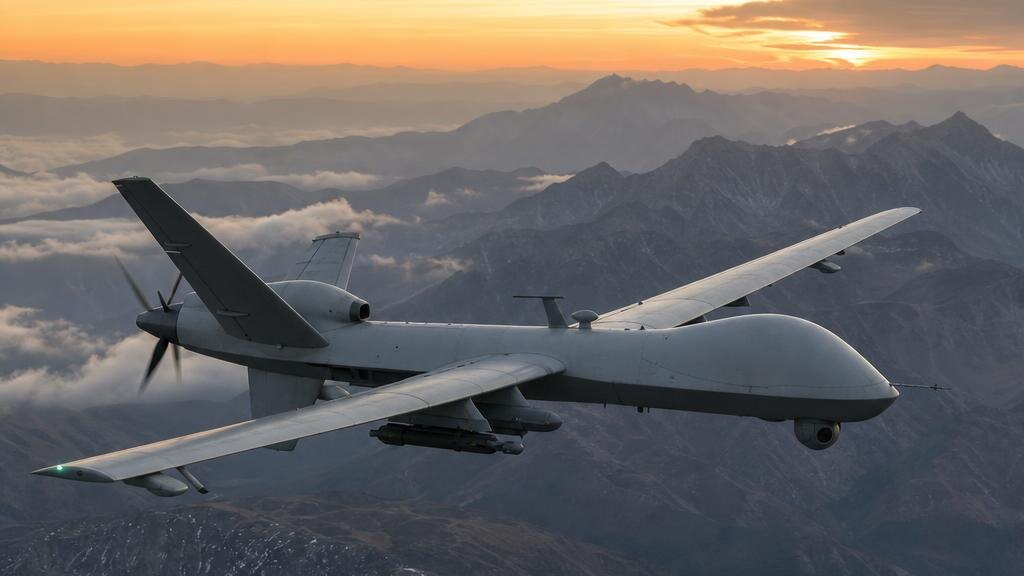
The rise of drone warfare across various global conflict zones has prompted a significant shift in defense procurement strategies, particularly in Europe. Echodyne, a leading US radar manufacturer, is responding to this trend by exploring opportunities for production facilities in Europe. The company's decision is driven by a growing demand for advanced counter-drone systems as European nations increasingly recognize the need to bolster their defenses against unmanned threats.
Echodyne's radar technologies are designed to detect and track drones at varying altitudes and speeds, providing critical situational awareness for military and security forces. As drone usage proliferates, so too does the need for effective countermeasures to mitigate the risks posed by hostile UAVs. European governments are therefore seeking to enhance their defense capabilities to address aerial threats, which presents a lucrative market for companies like Echodyne.
The move to establish a European production presence not only aligns with Echodyne's business goals but also reflects a broader trend of localization in defense manufacturing. By producing equipment closer to the end-users, the company can better meet the specific needs of European clients, adapt to local regulations, and facilitate faster delivery times. This approach is particularly relevant given the urgency of counter-drone requirements in light of recent conflicts where UAVs have played pivotal roles.
Additionally, the decision underscores the changing landscape of defense partnerships and collaborations within Europe. As nations prioritize defense spending and explore cooperative initiatives, firms like Echodyne are well-positioned to capitalize on these developments by providing innovative solutions tailored to the unique challenges posed by drone warfare. The potential for increased collaboration between US and European defense entities could further enhance the effectiveness of counter-drone strategies.
In conclusion, Echodyne's consideration of European production facilities highlights the dynamic nature of the defense industry in response to evolving threats. As countries navigate the complexities of modern warfare, the demand for advanced technologies such as radar systems capable of countering drone threats will continue to grow, shaping the future of defense procurement strategies on both sides of the Atlantic.