Naval ·
US Navy's Strategic Shift: Doubling Shipbuilding Requests in 2027 Budget
The proposed 2027 defense budget seeks to double shipbuilding requests, signaling a strategic pivot towards enhancing naval capabilities amid rising global threats.
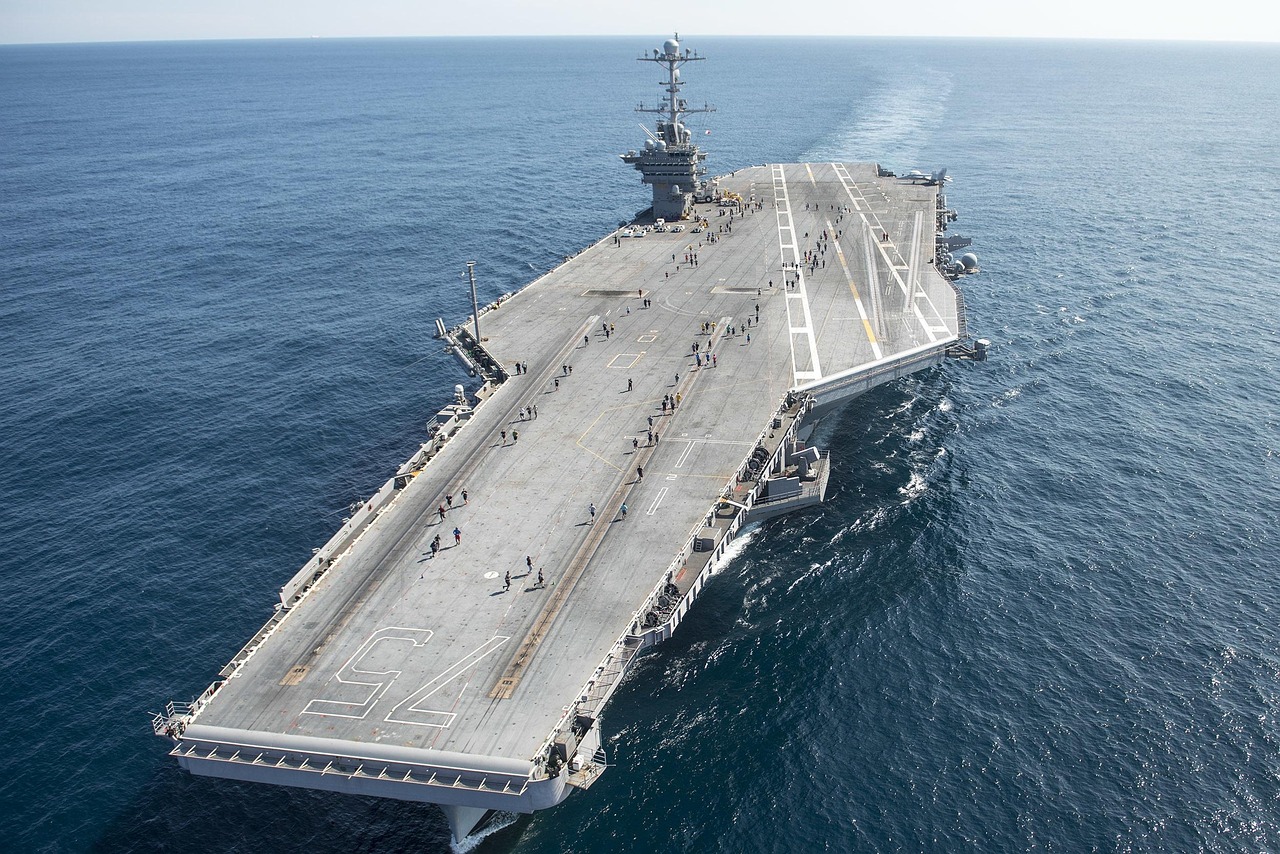
In a bold strategic maneuver, the U.S. Navy is set to request a doubling of shipbuilding funds in the proposed 2027 defense budget, with an allocation of $65.8 billion earmarked for this purpose. This significant increase reflects the Navy's commitment to modernizing its fleet and enhancing its operational capabilities in response to evolving global threats. The proposal is part of a broader defense strategy aimed at ensuring maritime superiority in an increasingly competitive security environment.
The doubling of shipbuilding requests indicates a recognition of the growing importance of naval power in contemporary warfare. The U.S. Navy has been actively working to modernize its fleet, incorporating advanced technologies such as unmanned surface vessels (USVs) and unmanned underwater vehicles (UUVs). These systems are essential for conducting missions in contested waters and provide the Navy with enhanced situational awareness and operational flexibility.
As maritime conflicts become more complex, the integration of unmanned systems into naval operations is critical. USVs and UUVs can perform a variety of roles, from surveillance and reconnaissance to anti-submarine warfare and mine detection. By investing in these advanced platforms, the Navy aims to maintain a technological edge over potential adversaries and adapt to the challenges posed by emerging maritime threats.
The proposed budget not only reflects a commitment to expanding the fleet but also emphasizes the need for modernization and innovation within naval operations. As the Navy looks to enhance its capabilities, partnerships with industry leaders will be crucial in developing and deploying next-generation unmanned systems. This collaborative approach ensures that the Navy can leverage the latest advancements in technology to support its strategic objectives.
Ultimately, the proposed doubling of shipbuilding requests marks a significant shift in the U.S. Navy's approach to maritime security. As geopolitical tensions continue to rise, the emphasis on expanding and modernizing the naval fleet underscores the importance of maintaining a robust maritime presence. The integration of unmanned systems will play a pivotal role in ensuring the Navy's readiness to confront the challenges of the future.