Naval ·
US Navy Tests AI-Powered Submarine Hunter in Multinational Exercise
The U.S. Navy has successfully tested an AI-powered sonar system during the Rim of the Pacific exercise, enhancing its underwater warfare capabilities.
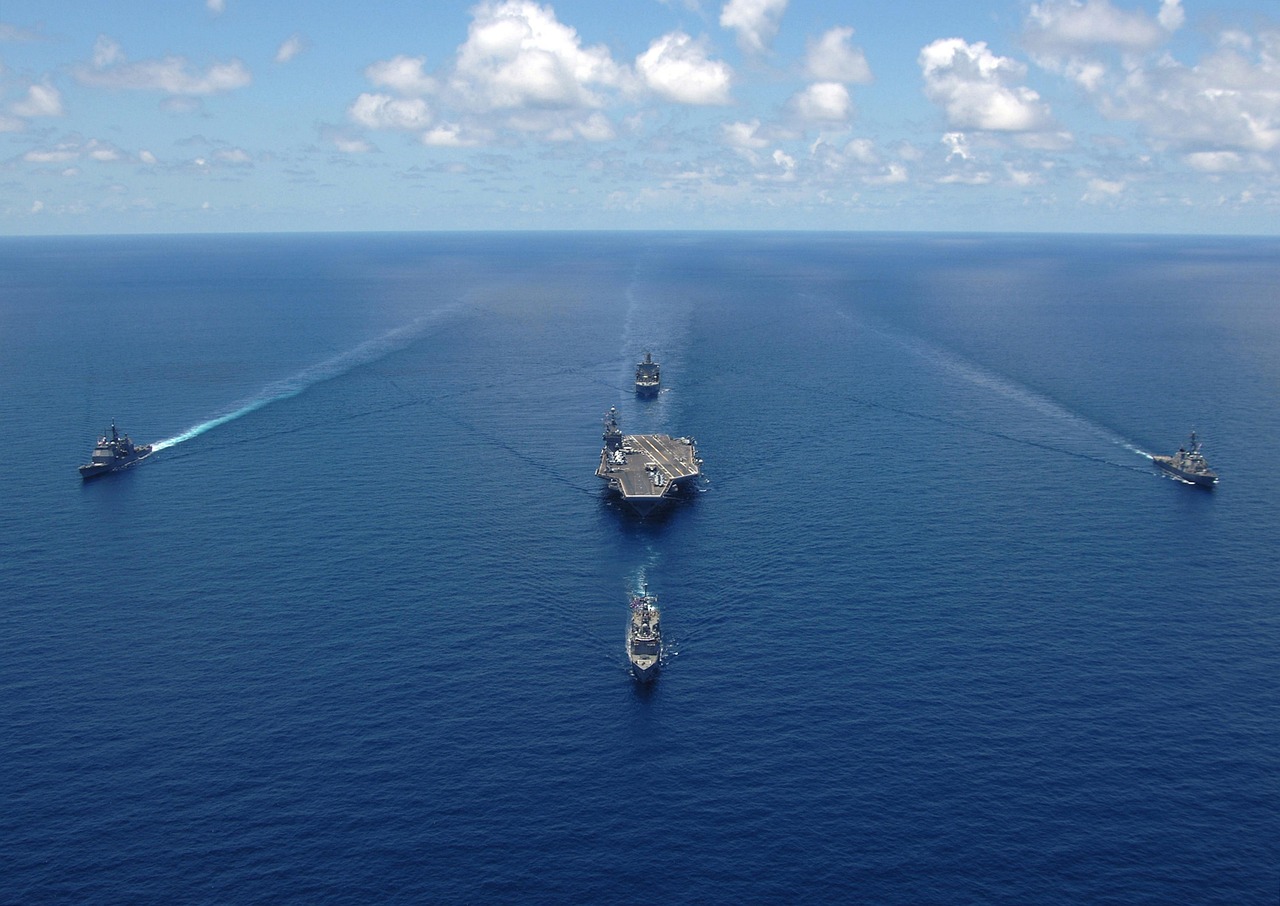
The U.S. Navy has recently conducted successful tests of an artificial intelligence (AI)-powered sonar system aimed at improving submarine detection capabilities during the multinational Rim of the Pacific (RIMPAC) exercise. This innovative approach represents a significant advancement in naval warfare technology, as it combines sophisticated AI algorithms with traditional sonar systems to enhance the effectiveness of undersea operations.
The integration of AI into sonar technology allows for more accurate identification and tracking of submarines, which have historically posed a significant threat to naval forces. By leveraging machine learning techniques, the AI system can analyze vast amounts of sonar data in real-time, distinguishing between various underwater objects and improving the Navy's response time to potential threats. This capability is particularly critical in the increasingly contested waters of the Indo-Pacific region, where submarine operations are vital to maintaining maritime security.
During the RIMPAC exercise, which involves navies from around the world, the AI-powered sonar system demonstrated its ability to operate alongside traditional maritime assets. The successful testing of this technology highlights the Navy's commitment to integrating advanced tools into its operational framework, ensuring that U.S. forces are prepared to confront modern threats effectively. The lessons learned from these tests will be instrumental in refining the technology further and implementing it in future naval operations.
As adversarial nations continue to enhance their submarine fleets, the need for innovative detection and tracking solutions becomes paramount. The Navy's investment in AI-powered systems reflects a broader trend within military circles to adopt cutting-edge technologies that can provide a decisive advantage in warfare. By focusing on AI integration, the Navy is positioning itself to stay ahead of potential adversaries in undersea conflict scenarios.
The implications of successful AI integration into naval operations extend beyond just submarine hunting; they pave the way for further advancements in autonomous systems across various domains. As the military continues to explore AI's potential, the lessons learned from this initiative could also inform future developments in unmanned aerial and ground systems, solidifying the U.S. military's edge in an increasingly high-tech battlefield.